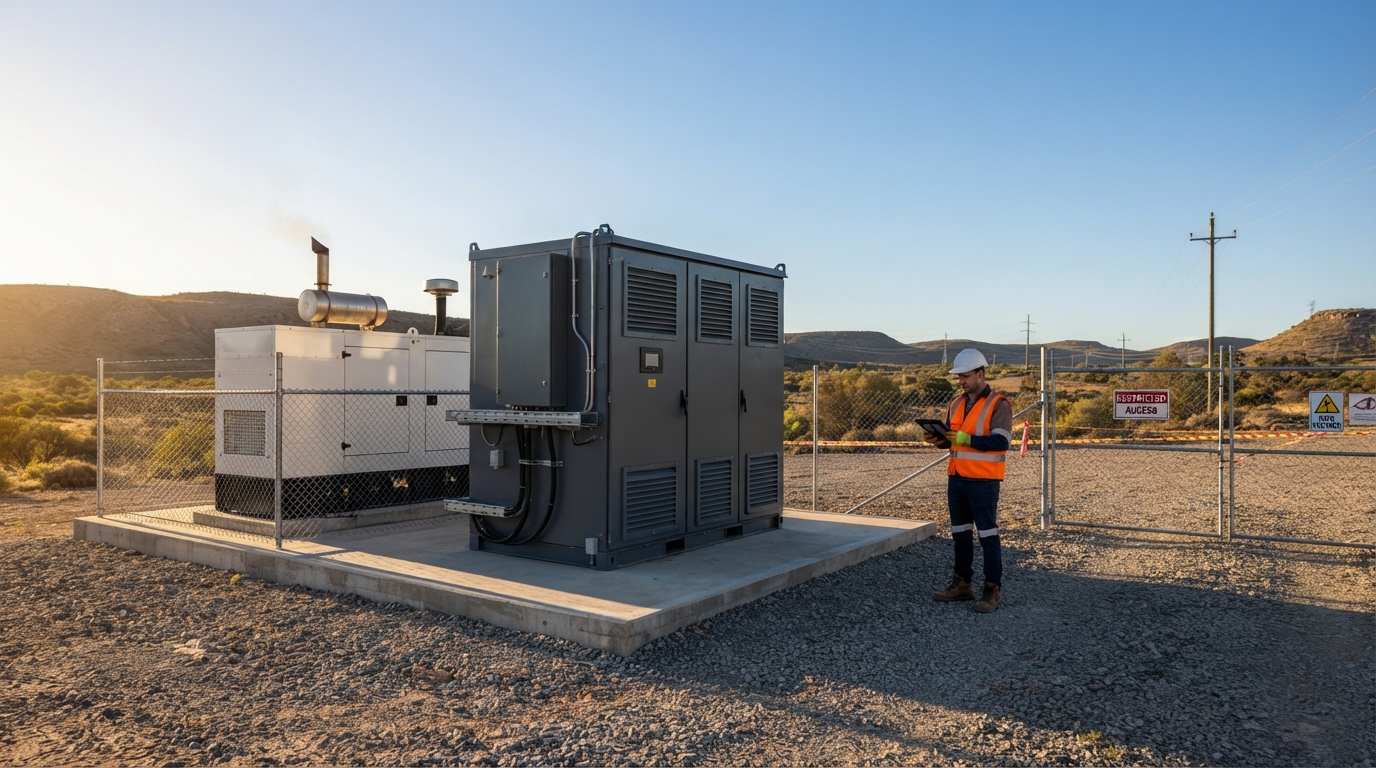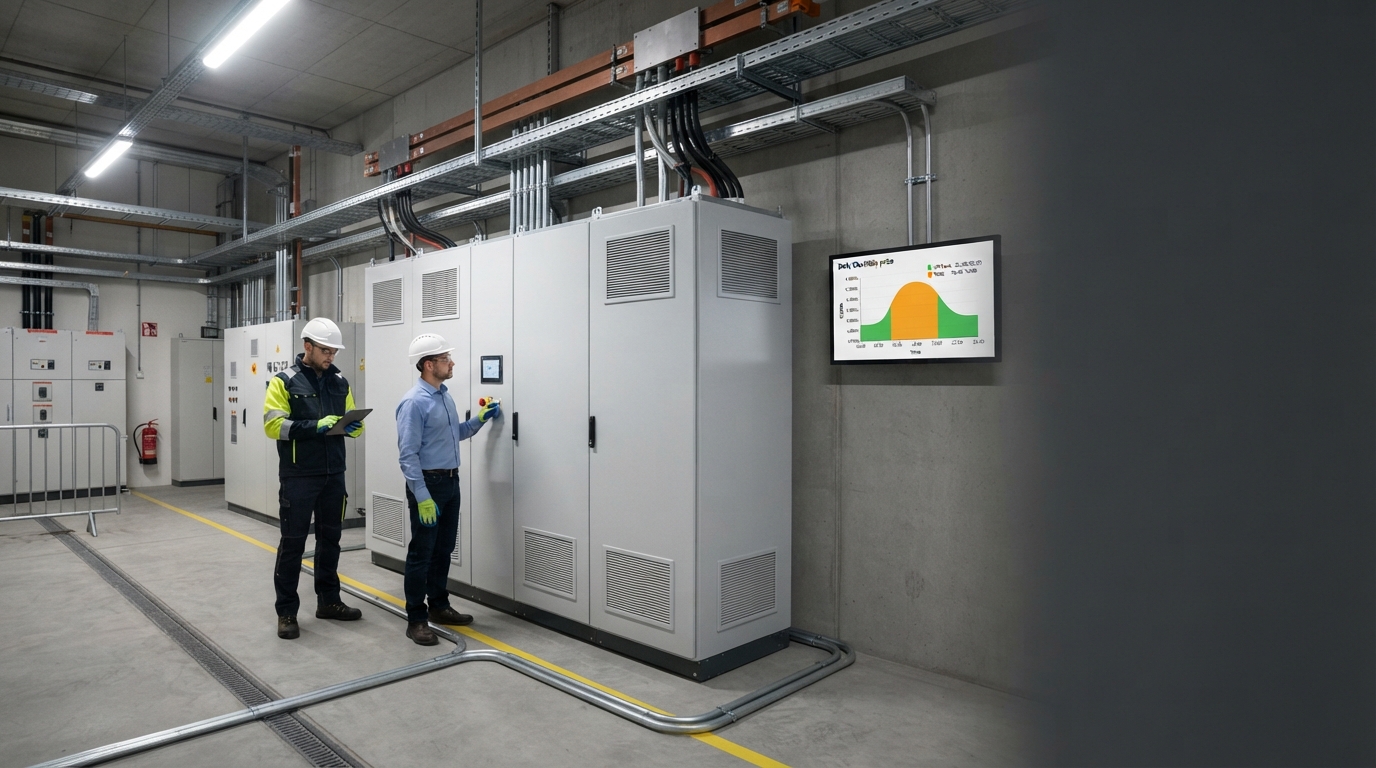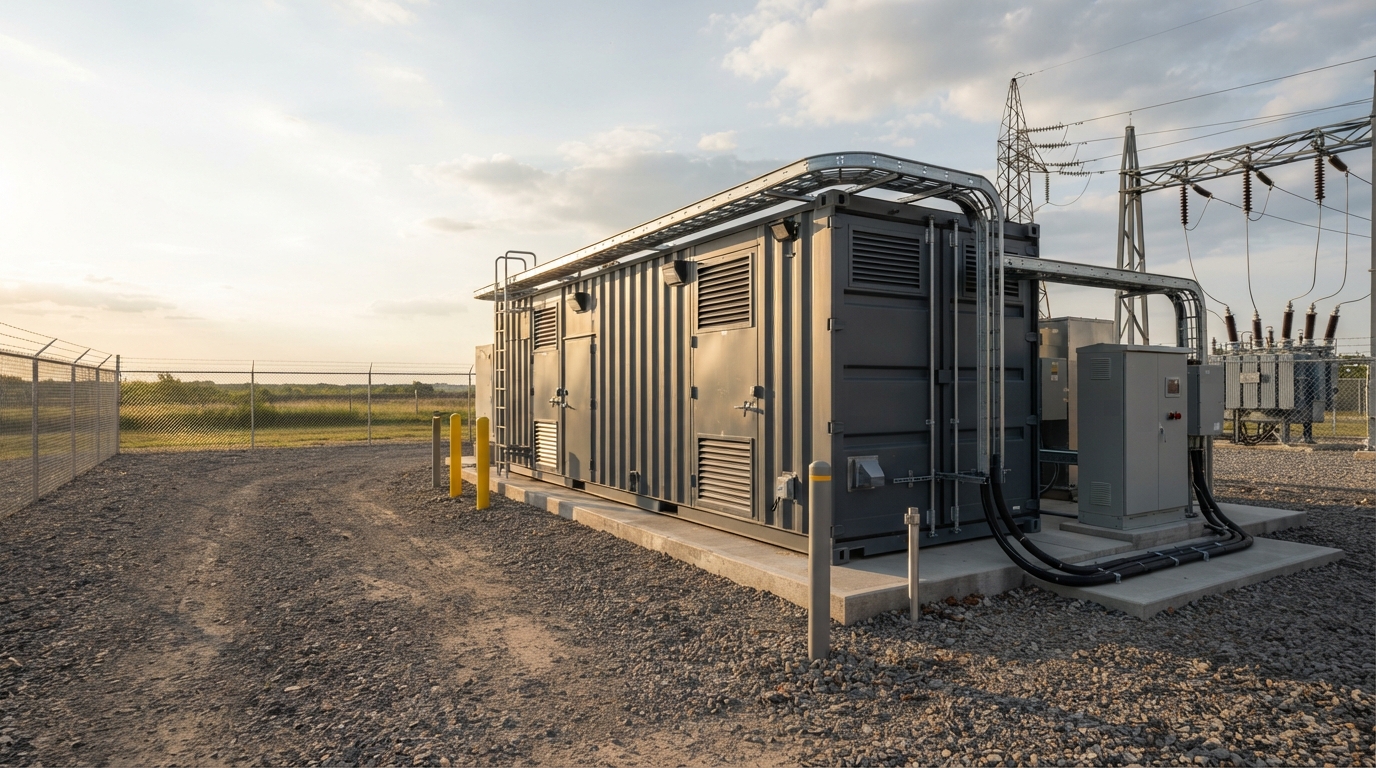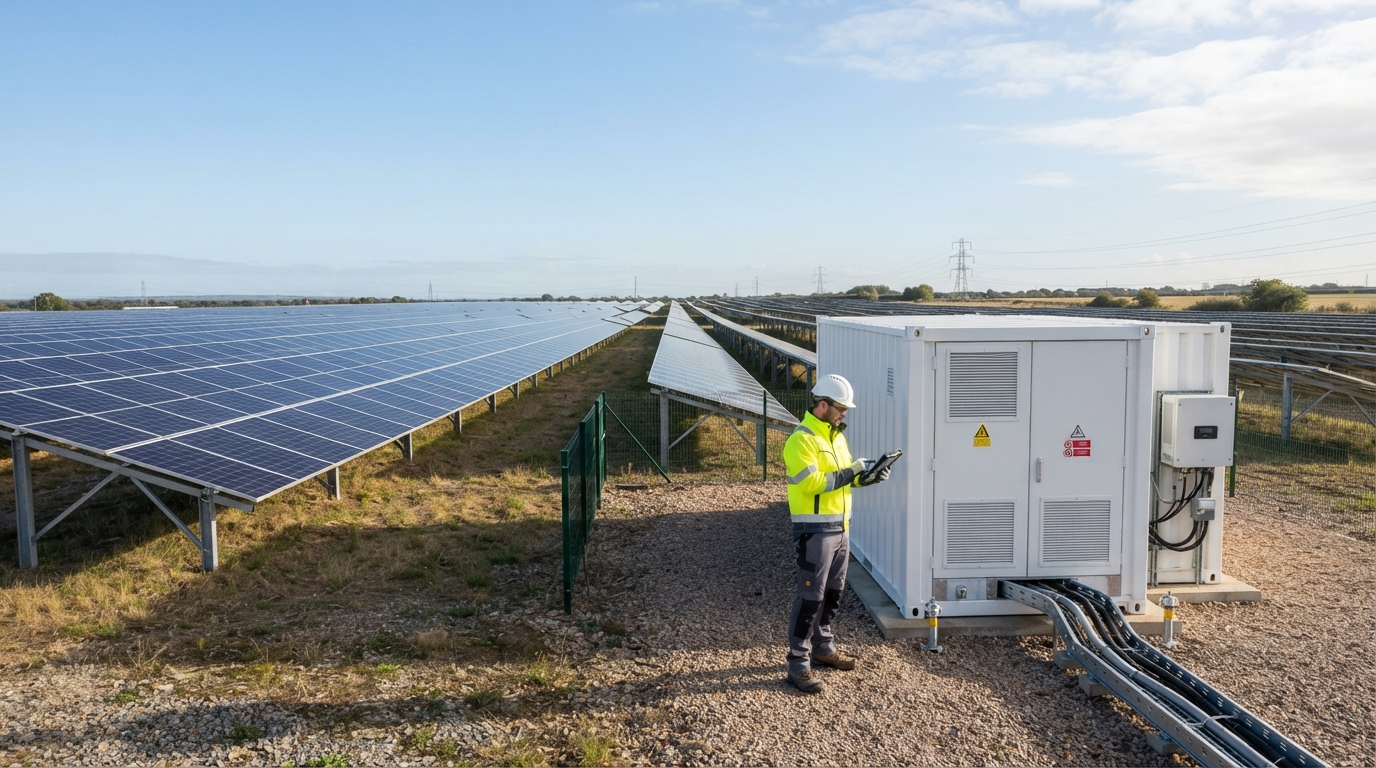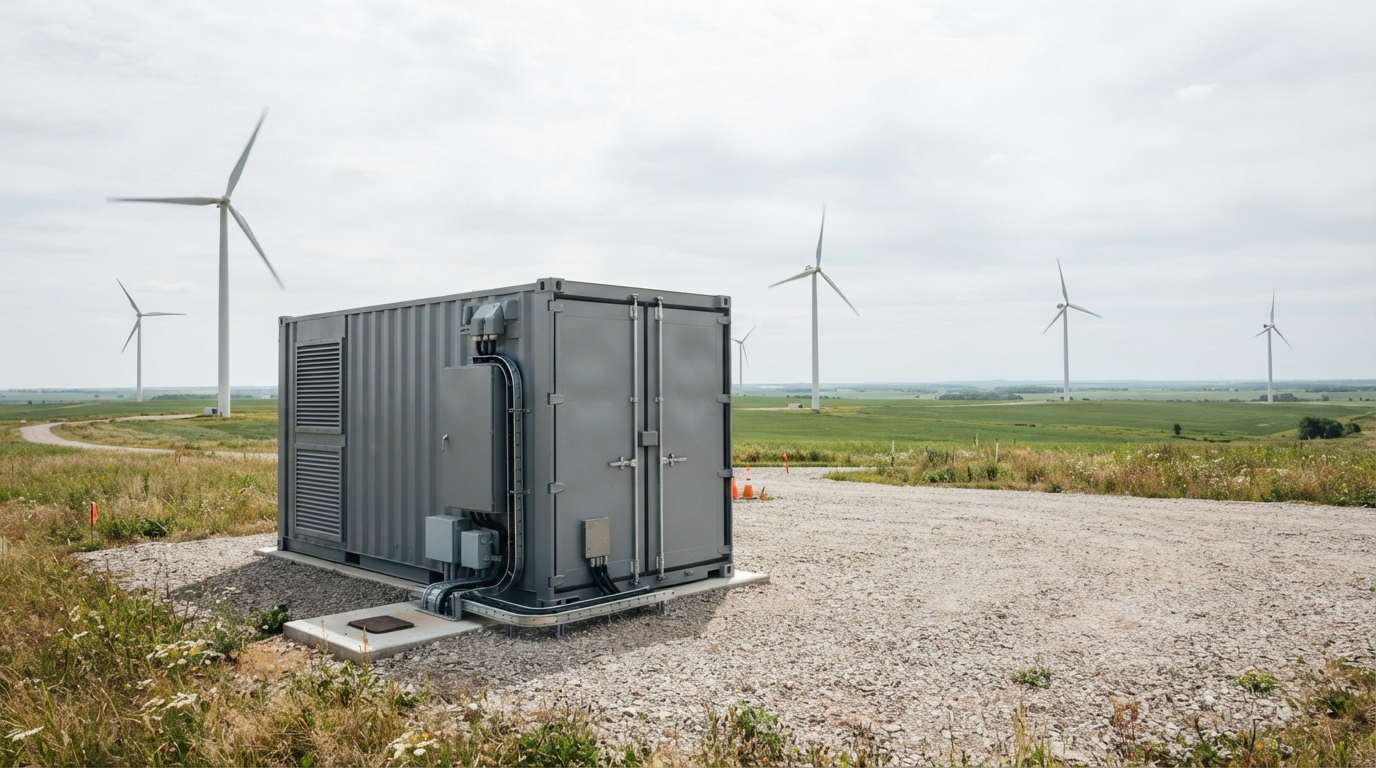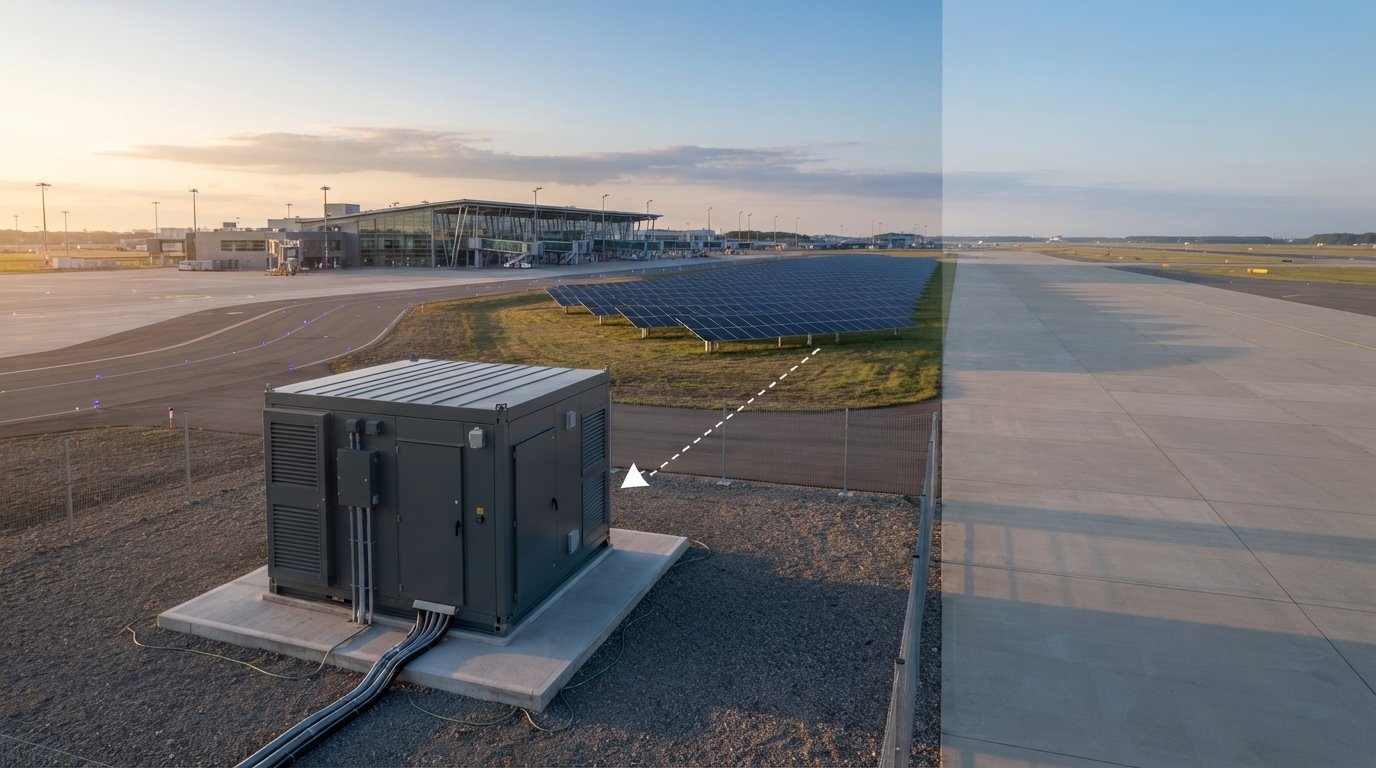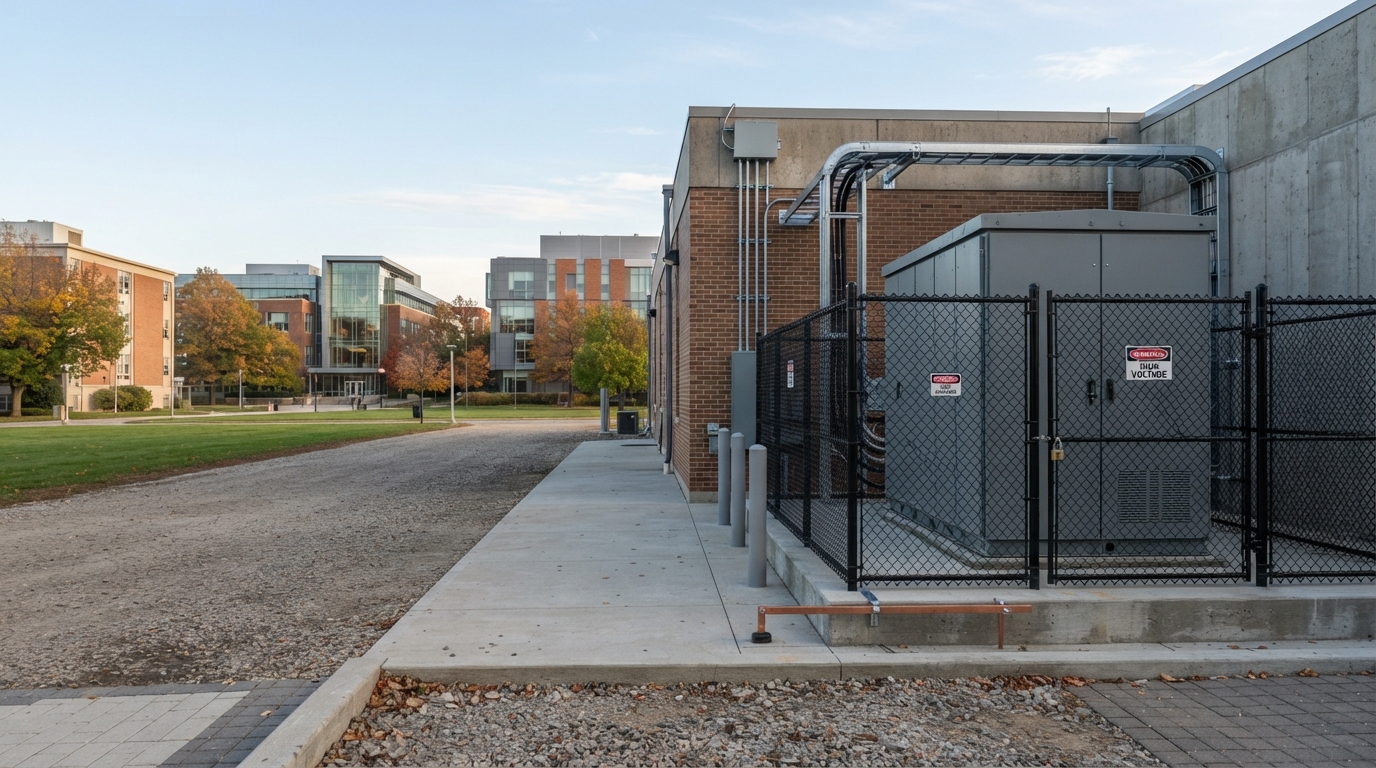
Modern businesses face increasing energy demands, rising electricity costs, and growing expectations for sustainability. Implementing commercial and industrial energy solutions allows companies to reduce operational costs, maintain reliable power, and support eco-friendly practices. This guide explores the components, benefits, implementation strategies, and future trends of energy solutions for commercial and industrial applications.

What Are Commercial & Industrial Energy Solutions?

Commercial and industrial energy solutions are integrated systems designed to supply, store, and manage electricity for businesses and industrial facilities. These systems typically include high-capacity batteries, inverters, energy management systems (EMS), and often renewable energy integration such as solar or wind.

They differ from residential systems by their higher capacity, scalability, and ability to handle complex operational demands across multiple loads and equipment types.

Core Components of Commercial & Industrial Systems

High-Capacity Batteries

High-capacity batteries are the backbone of commercial and industrial energy solutions. Lithium-ion batteries are widely used due to their long lifespan, high energy density, and efficiency. They are capable of handling heavy loads, frequent charge-discharge cycles, and continuous operation during peak energy demands.

Inverters and Power Converters

Inverters convert stored DC power into AC electricity suitable for industrial equipment, while power converters regulate voltage and ensure smooth energy delivery across diverse machinery. This is essential for maintaining consistent operations in manufacturing, commercial buildings, or large facilities.

Energy Management Systems (EMS)

EMS software monitors energy consumption, optimizes load distribution, and schedules battery usage. Advanced EMS solutions use predictive analytics to reduce peak energy costs, manage backup energy, and improve overall energy efficiency.

Renewable Energy Integration

Many commercial and industrial facilities integrate solar or hybrid energy sources to reduce grid dependency, lower electricity bills, and support corporate sustainability goals. EMS ensures seamless integration and maximum energy utilization.

Benefits of Commercial & Industrial Energy Solutions

Reliable Power Supply

These systems ensure uninterrupted operations even during grid outages, protecting sensitive equipment, maintaining production schedules, and preventing downtime losses.

Cost Reduction

By storing electricity during off-peak hours and using renewable energy, businesses can reduce energy costs significantly. Intelligent energy management further maximizes efficiency and ROI.

Scalability and Flexibility

Commercial systems can be designed modularly, allowing easy expansion as energy demands grow. Systems can support multi-building facilities, industrial complexes, or large commercial offices.

Environmental Sustainability

Integrating renewable energy and energy storage contributes to carbon reduction, improves corporate social responsibility, and aligns with environmental regulations.

Designing Effective Commercial & Industrial Energy Systems

Assessing Load and Energy Requirements

Businesses must calculate peak and average energy usage, including critical operations such as machinery, HVAC systems, lighting, and IT infrastructure. This ensures the system can handle both routine and emergency demands.

Selecting Battery and Power Technologies

Lithium-ion batteries are optimal for high efficiency and long lifespan. For lower-cost options, lead-acid batteries may be considered, but they require frequent maintenance and have shorter lifespans.

Implementing Advanced EMS

A smart EMS enables real-time monitoring, predictive energy management, fault detection, and cost optimization, ensuring the facility runs efficiently under varying conditions.

Environmental and Site Considerations

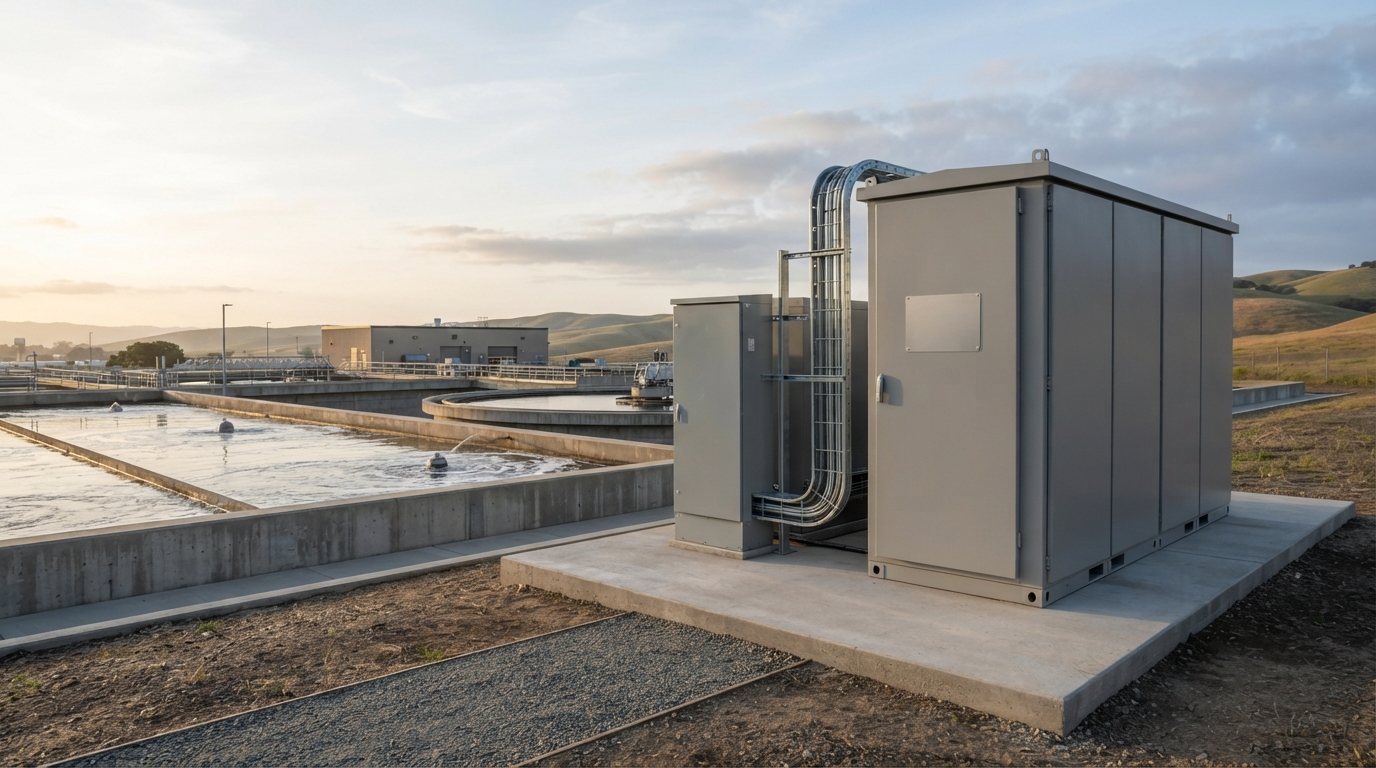
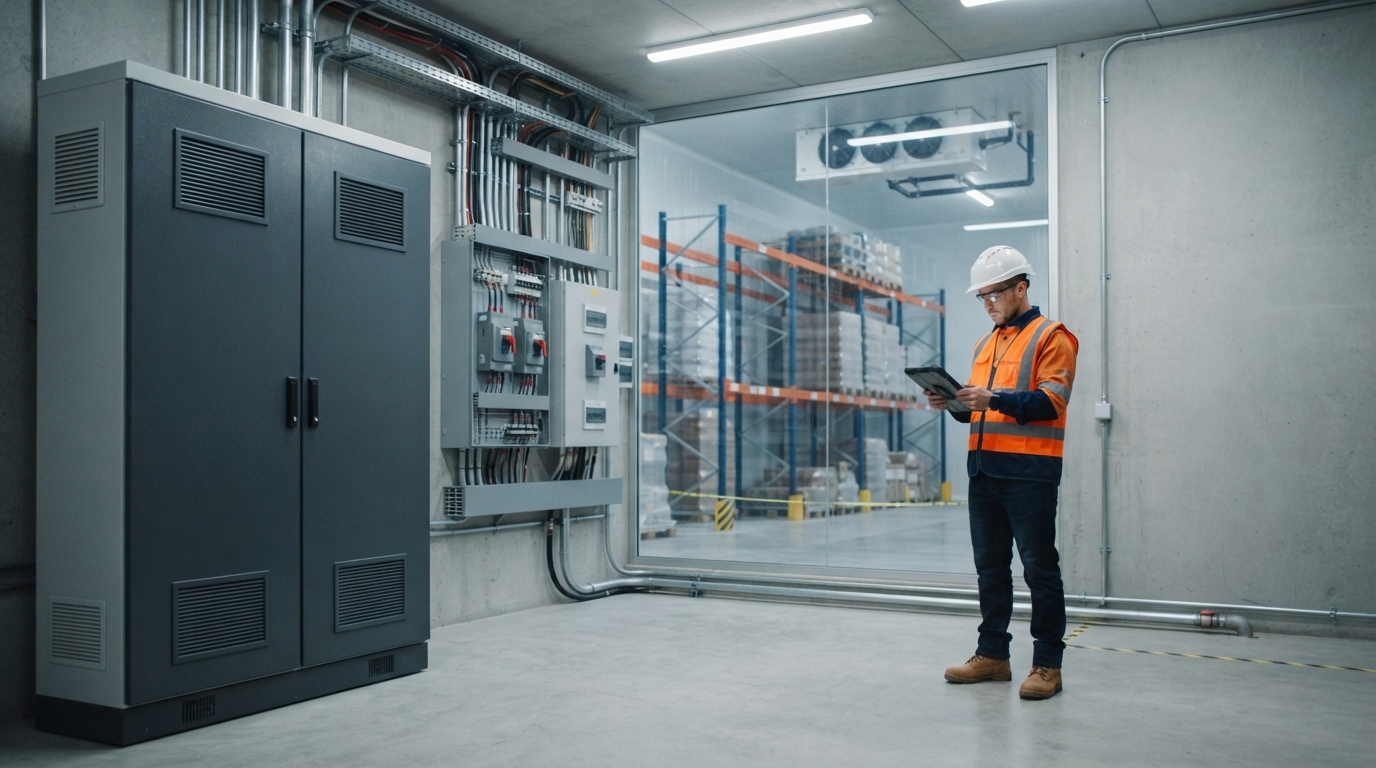
Temperature, humidity, and facility layout affect system performance. Proper enclosure design, ventilation, and thermal management are critical for safe and long-lasting operations.

Integrating Renewable Energy

Solar, wind, or hybrid renewable integration helps businesses achieve sustainable energy goals:

Maintenance and Lifecycle Management

Regular System Checks

Routine inspection of batteries, inverters, and EMS ensures operational reliability and prevents costly downtime. Performance monitoring helps detect early warning signs of failure.

Battery Replacement and Recycling

Battery degradation over time requires proactive replacement. Proper recycling ensures compliance with environmental regulations and supports sustainability initiatives.

Software and Firmware Updates

Updating EMS and inverter software enhances system efficiency, security, and predictive energy management capabilities.

Future Trends in Commercial & Industrial Energy Solutions

AI-Driven Energy Management

Artificial intelligence will optimize energy use, predict load demands, and adjust storage and consumption schedules, lowering costs while ensuring uninterrupted power.

Advanced Energy Storage Technologies

Next-generation batteries, such as solid-state or sodium-ion, promise higher energy density, longer life, and improved safety for commercial and industrial applications.

Sustainable and Smart Facilities

Integration of renewable energy, energy-efficient equipment, and intelligent management systems is becoming standard for future-ready commercial and industrial buildings.

Real-World Example: Industrial Facility

A manufacturing plant using:

This setup ensures continuous production during peak loads and grid outages, reduces operational costs, and supports the company’s sustainability targets.

Common Misconceptions

Are energy solutions only useful during power outages?

No. Modern systems optimize energy usage, reduce costs, and provide backup power, even when the grid is fully operational.

Do renewable-integrated systems compromise reliability?

Properly managed hybrid systems maintain reliable energy supply, ensuring operations are uninterrupted.

Conclusion: Efficient, Reliable, and Sustainable Business Energy

Commercial and industrial energy solutions are essential for modern business operations. They provide reliable power, reduce costs, and support sustainability initiatives. Selecting the right system tailored to facility requirements, energy usage, and operational goals ensures maximum efficiency, reliability, and long-term ROI.

FAQ (Frequently Asked Questions)

1. How large should a commercial energy storage system be?
It depends on total load, critical operations, and desired backup duration. Systems are sized to meet peak demand and emergency requirements.

2. Can commercial facilities integrate solar or wind energy?
Yes, hybrid renewable systems help reduce grid dependency and lower operational costs.

3. How long do industrial batteries last?
Lithium-ion batteries typically last 5–15 years depending on load, usage, and maintenance.

4. Are commercial energy solutions safe?
Yes, certified systems include overvoltage, thermal, and short-circuit protection to prevent hazards.

5. Do businesses need permits for installation?
Yes, installations must comply with local electrical codes and be handled by certified professionals.

In modern telecommunications, reliable power supply is crucial to ensure that base stations operate without interruption. With the increasing demand for mobile connectivity and data traffic, telecom operators require advanced base station power solutions that provide consistent energy, optimize operational costs, and ensure network reliability. This guide explores the components, benefits, design considerations, and future trends of base station power systems.

What Are Base Station Power Solutions?

Base station power solutions refer to systems that supply continuous electricity to telecom towers, including cell towers, 5G stations, and other communication infrastructure. They typically combine backup batteries, rectifiers, inverters, energy management systems, and sometimes solar integration. The purpose is to maintain uninterrupted service even during grid failures or high load conditions.

Unlike standard grid connections, these systems ensure that essential communication equipment—antennas, servers, routers—remain fully operational during outages, preventing network downtime.

Core Components of Base Station Power Systems

Backup Batteries

Backup batteries are essential for maintaining uninterrupted power. Lithium-ion batteries are commonly used due to their high energy density, long life, and reliable performance. They can provide power for several hours during grid outages and can withstand frequent charge-discharge cycles.

Rectifiers and Inverters

Rectifiers convert AC power from the grid to DC power required by the base station, while inverters change stored DC electricity from batteries to AC for specific equipment. Together, they ensure efficient energy delivery and seamless transition between grid and backup power.

Energy Management System (EMS)

EMS monitors energy usage, battery status, and power supply conditions in real time. Intelligent EMS can schedule charging during off-peak periods, optimize battery life, and detect anomalies, ensuring stable and cost-effective operation.

Solar or Renewable Integration

Some base station solutions incorporate solar panels or hybrid renewable systems. This reduces dependency on grid electricity, lowers operational costs, and provides eco-friendly energy alternatives.

Advantages of Advanced Base Station Solutions

Continuous Network Reliability

High-quality base station power solutions prevent service disruptions, ensuring mobile communication, data transfer, and emergency services remain operational 24/7.

Reduced Operational Costs

Optimized battery management, load balancing, and renewable integration can significantly reduce electricity costs and minimize maintenance expenditure over the long term.

Scalable and Flexible Configurations

Solutions can be tailored to tower size, location, and energy requirements. Systems are modular, allowing operators to expand capacity as demand grows or adjust for remote locations.

Enhanced Safety and Protection

Modern systems include multiple safety features, such as overvoltage protection, short-circuit safeguards, thermal management, and automatic alarms to prevent equipment damage or fire hazards.

Designing Effective Base Station Power Systems

Assess Load Requirements

Operators must determine total power consumption, including antennas, routers, cooling systems, and lighting. This assessment ensures the battery capacity and inverter ratings are adequate to handle peak loads.

Evaluate Environmental Conditions

Temperature, humidity, and location can impact battery performance. Systems should be designed to withstand extreme heat or cold, often using insulated cabinets and cooling mechanisms.

Choose Appropriate Battery Technology

Lithium-ion batteries are preferred for high-density, long-life performance. Lead-acid batteries can be used for lower-cost installations, but require frequent maintenance and shorter life cycles.

Implement Smart Monitoring and Remote Management

Remote monitoring allows operators to track performance, schedule maintenance, and detect potential failures early, minimizing downtime and operational risks.

Integration with Renewable Energy Sources

Solar or hybrid renewable energy solutions for base stations are increasingly common, especially in remote or off-grid areas. Benefits include:

Smart EMS manages solar charging alongside battery storage, ensuring uninterrupted supply even during cloudy or low-generation periods.

Maintenance and Lifecycle Management

Regular Inspections

Check battery health, inverter performance, and rectifier efficiency periodically. Scheduled maintenance prevents system failure and prolongs equipment life.

Battery Replacement and Recycling

Batteries degrade over time. Lifecycle management includes planned replacement and proper recycling of old cells, ensuring environmental compliance and cost-efficiency.

Firmware and Software Updates

Updating EMS and inverter software improves energy management efficiency, security, and system reliability.

Future Trends in Base Station Power

AI-Powered Energy Management

Artificial intelligence can predict energy demand, optimize battery charging schedules, and reduce operational costs while ensuring continuous operation.

Advanced Battery Technologies

Next-generation batteries, such as solid-state or sodium-ion, promise longer life, higher energy density, and safer operation for telecom infrastructure.

Green and Smart Network Solutions

Renewable integration, energy-efficient rectifiers, and intelligent monitoring will become standard, enabling telecom operators to reduce carbon emissions and optimize resources.

Real-World Example: Remote Telecom Tower

A remote tower using:

This setup ensures 24/7 connectivity in a region with unstable grid supply, lowers operational costs, and provides reliable service continuity.

Common Misconceptions

Do base station systems only work during blackouts?

No. Modern solutions optimize energy use, manage peak electricity rates, and support continuous operation even when the grid is stable.

Are renewable-powered base stations less reliable?

Not at all. With proper battery storage and EMS management, renewable integration ensures consistent energy supply and reliability.

Conclusion: Reliable, Efficient, and Future-Ready Networks

Advanced base station power solutions are essential for modern telecommunication networks. They provide uninterrupted service, reduce operational costs, and integrate renewable technologies. Choosing the right system tailored to tower load, location, and budget ensures a reliable, safe, and efficient communication network.

FAQ (Frequently Asked Questions)

1. How much battery capacity does a base station need?
It depends on equipment load and backup duration requirements. Typically, systems are designed to cover several hours of peak power consumption.

2. Can base stations run on solar energy alone?
Yes, hybrid solar and battery storage solutions are common, particularly in remote or off-grid locations.

3. How often should batteries be replaced?
Battery lifespan varies; lithium-ion batteries typically last 5–15 years, depending on usage and maintenance.

4. Are advanced base station power systems safe?
Yes, certified systems feature overvoltage, short-circuit, and thermal protections to prevent failures and hazards.

5. Do telecom operators need permits for installation?
Yes, installation must comply with local electrical regulations and be handled by certified professionals.

In today’s era of rising electricity costs and increasing environmental awareness, more households are exploring home energy storage solutions. With the rapid growth of solar power, smart appliances, and eco-friendly technologies, a reliable and efficient home storage system can help optimize energy usage, reduce electricity bills, and increase energy independence. This guide will provide an in-depth look at the core components, benefits, and implementation strategies of home energy storage, ideal for families considering home-based power storage solutions.

What is a Home Energy Storage System?

A home energy storage system is designed to store electricity generated during low-rate periods or from renewable sources such as solar panels, and release it during peak hours or power outages. It typically consists of battery packs, inverters, and energy management systems (EMS).

Unlike traditional reliance on grid electricity, a home energy storage system allows energy self-sufficiency, reduces dependence on external supply, and increases overall energy efficiency.

Core Components of a Home Storage System

  1. Energy Batteries
    Batteries are the heart of the system, determining storage capacity and lifespan. Common types include lithium-ion and lead-acid batteries, with lithium-ion favored for high energy density and long service life.
  2. Inverters and Controllers
    Inverters convert stored DC electricity into AC electricity for household use, while controllers manage charging and discharging processes to ensure system efficiency and safety.
  3. Energy Management System (EMS)
    EMS monitors electricity usage in real time, intelligently scheduling charging and discharging based on electricity rates and consumption, optimizing overall performance.

Advantages of Home Energy Storage

Enhances Energy Independence

Instead of relying entirely on the grid, home energy storage provides power during outages, keeping essential devices running and increasing household self-reliance.

Reduces Electricity Costs

By storing electricity during low-cost periods and using it during peak hours, households can significantly reduce energy bills. When combined with solar power, reliance on grid electricity can be further minimized.

Environmentally Friendly

Maximizing renewable energy use reduces reliance on fossil fuels and lowers carbon emissions, contributing positively to the environment.

Provides Grid Stability Backup

During grid outages or natural disasters, energy storage can serve as a reliable backup, ensuring continuous operation of essential devices like refrigerators, lights, and communication systems.

Choosing the Right Home Energy Storage Solution

Assess Household Power Needs

Determine the total load by listing critical devices and their power consumption. For example:

This data helps define the necessary battery capacity in kWh.

Evaluate Budget and Cost-Effectiveness

Energy storage systems are a significant investment. Compare battery types, brands, long-term efficiency, and warranty services to choose the most cost-effective solution.

Select Appropriate Battery Technology

Lithium-ion batteries remain the preferred choice for most residential systems.

Implement Smart Monitoring and Management

A high-quality EMS ensures automatic energy scheduling, real-time system monitoring, and fault alerts, enhancing reliability and user experience.

Integration with Solar Photovoltaic Systems

Combining home energy storage with solar panels is increasingly popular. Solar panels generate electricity during the day:

This integration increases efficiency and reduces long-term energy costs.

Installation Considerations

Compliant and Certified Installation

Energy storage systems are regulated electrical devices. Certified electricians or professional installers must handle installation to meet safety standards.

Design Optimal Layouts

Placement of batteries, inverters, and wiring should consider household layout, environmental conditions, and ventilation to maximize safety and longevity.

Routine Maintenance and Safety Checks

Regularly check battery health, connections, and system logs to prevent potential issues and ensure stable performance.

Future Trends in Home Energy Storage

Advancements in Battery Technology

Emerging technologies such as solid-state and sodium-ion batteries promise greater safety, higher energy density, and longer life spans.

AI-Powered Energy Management

AI-based EMS can predict consumption patterns, electricity rate fluctuations, and automatically optimize storage usage for maximum efficiency.

Policy Incentives and Energy Market Evolution

Government subsidies and tax incentives for renewable energy are increasingly common, reducing upfront costs for homeowners investing in storage solutions.

Real-Life Example: Residential Energy Storage

A family of four:

This system demonstrates how storage enhances energy independence and reduces household expenses.

Common Misconceptions

Can energy storage only be used during power outages?

No. Storage systems also optimize electricity costs by automatically managing consumption, even when the grid is operational.

Is energy storage suitable for every household?

Not always. Homes with minimal energy usage or no solar generation may need a cost-benefit analysis before investing in a storage system.

Conclusion: Smart, Green Living at Home

Home energy storage is becoming an essential part of modern households, enhancing efficiency, safety, and sustainability. Choosing the right solution tailored to your family’s needs enables energy independence, cost savings, and environmentally responsible living.

FAQ (Frequently Asked Questions)

1. How large should a home energy storage system be?
Determine based on daily electricity usage, appliance power ratings, and usage habits. Usually, it should cover 1–2 days of peak electricity consumption.

2. Can home energy storage work with solar panels?
Yes, combining storage with solar panels is the most cost-efficient and energy-efficient approach.

3. How often do batteries need replacement?
Depending on battery type, usually every 5–15 years. Lithium-ion batteries last longer with lower maintenance costs.

4. Are home energy storage systems safe?
Yes, certified systems with professional installation include multiple protections such as overheat and short-circuit prevention.

5. Do I need permits to install a home storage system?
Most regions require compliance with electrical codes and installation by certified professionals. Local authority registration may also be required.

For modern enterprises, consistent energy availability is no longer optional—it is a critical factor in operational stability. A commercial backup energy storage system provides a strategic solution to mitigate the risks of power outages, voltage fluctuations, and unexpected interruptions. These systems are designed for commercial facilities, office complexes, and retail centers where uninterrupted energy ensures seamless business continuity and protects critical operations.

Unlike traditional power sources, modern backup storage units combine high-capacity energy storage with intelligent monitoring and adaptive distribution. This combination allows businesses to manage energy efficiently, maintain operational resilience, and scale capacity as demand grows.

Understanding Business-Critical Energy Needs

Commercial environments face unique energy challenges compared to residential or industrial settings. Facilities may operate high-demand IT infrastructure, security systems, lighting networks, and temperature-sensitive equipment simultaneously.

A well-engineered commercial energy storage system addresses these challenges by storing sufficient energy to maintain operations during grid disruptions. The system prioritizes essential loads while optimizing the use of stored energy, ensuring that business-critical operations continue uninterrupted.

Modular and Scalable Storage Architecture

Modern commercial storage solutions are designed with modularity at their core. Individual storage units can be connected to form larger energy arrays, enabling organizations to scale energy capacity according to evolving needs.

This architecture allows businesses to add new modules seamlessly as facility demands grow, avoiding costly infrastructure redesigns. It also supports geographic expansion, allowing multiple sites to share a coordinated energy management strategy.

Adaptive Energy Distribution and Load Management

Energy demand in commercial settings fluctuates depending on operational schedules, seasonal factors, and technology usage patterns. Advanced storage systems incorporate adaptive load management that dynamically allocates energy based on real-time consumption.

Essential systems, such as server rooms, refrigeration units, and security devices, are maintained at full capacity, while non-critical loads are temporarily reduced during emergency operation. This approach maximizes efficiency, extends storage unit lifespan, and ensures uninterrupted operation for mission-critical functions.

Integration with Renewable and Onsite Generation

Businesses increasingly rely on onsite renewable energy, such as rooftop solar panels or micro wind turbines. Commercial backup energy storage systems integrate seamlessly with these generation sources, capturing excess energy and releasing it when required.

The intelligent coordination between stored energy and onsite generation reduces grid dependency, improves sustainability, and optimizes operational costs. Automated control systems manage charge and discharge cycles, ensuring the highest possible utilization of renewable power.

Real-Time Monitoring and Predictive Maintenance

A robust commercial energy storage solution incorporates autonomous monitoring and predictive analytics. Sensors track energy levels, battery health, environmental conditions, and load performance. Predictive algorithms anticipate potential failures and suggest preventive actions before disruptions occur.

This proactive monitoring reduces downtime, enhances safety, and prolongs system life. Facility managers gain actionable insights into energy consumption patterns, operational efficiency, and maintenance scheduling.

Operational Efficiency and Cost Benefits

Beyond reliability, commercial storage systems contribute to energy efficiency and cost optimization. Intelligent energy allocation reduces peak demand charges, prevents waste, and balances consumption across various business units.

By combining renewable integration, adaptive load management, and modular expansion, these systems deliver measurable cost savings while maintaining business operations under any circumstances.

Flexible Deployment Across Various Commercial Facilities

Commercial backup energy storage systems are suitable for diverse applications. Retail chains benefit from uninterrupted lighting, refrigeration, and point-of-sale operations. Office buildings maintain server uptime, HVAC functionality, and security monitoring. Data centers or coworking hubs leverage modular units to meet variable loads and future growth requirements.

In every scenario, the goal remains the same: guarantee energy continuity, optimize usage, and ensure operational resilience without compromising cost or efficiency.

Conclusion

Modern commercial facilities require backup energy storage systems that combine scalability, reliability, and smart energy management. By integrating modular storage units, adaptive load allocation, renewable energy sources, and real-time monitoring, businesses can maintain uninterrupted operations, optimize energy efficiency, and prepare for future growth.

Investing in a commercial backup energy storage solution strengthens operational resilience, reduces energy costs, and ensures continuity for critical business functions, regardless of grid conditions or unexpected interruptions.

FAQ

Q1: What is a commercial backup energy storage system?
A: It is a high-capacity energy reserve designed to maintain business operations during grid outages or power fluctuations.

Q2: Can these systems integrate with renewable energy?
A: Yes, they work with solar panels, micro wind turbines, and other onsite generation sources.

Q3: How does adaptive load management help businesses?
A: It ensures critical operations remain powered while regulating non-essential systems during limited supply.

Q4: Are these storage systems scalable for larger facilities?
A: Yes, modular design allows adding more units as energy demands increase.

Q5: What cost benefits do commercial energy storage systems offer?
A: They reduce peak electricity charges, optimize renewable energy use, and prolong equipment lifespan, saving operational costs.

As modern society increasingly relies on remote and off-grid applications, energy continuity in outdoor environments has become a priority. An outdoor energy reservoir offers a strategic approach to storing and deploying electricity where conventional grid access is unavailable or unreliable. Unlike standard storage solutions, these reservoirs are specifically engineered to withstand environmental exposure, maintain operational stability, and provide flexible deployment across diverse locations.

The concept emphasizes resilience, scalability, and adaptability, ensuring that energy is available for emergency operations, remote infrastructure, or temporary installations. By designing energy storage as a modular, outdoor-ready solution, organizations can extend operational reach and reduce dependency on centralized power networks.

Redefining Remote Energy Access

Traditional power setups are limited by grid connectivity and environmental constraints. Outdoor energy reservoirs overcome these limitations by combining robust energy storage units with protective enclosures and advanced monitoring capabilities.

This design allows energy to be safely stored in exposed locations, from construction sites and temporary event venues to remote research facilities. The units are built to resist temperature fluctuations, moisture, dust, and other environmental stressors, ensuring consistent performance without the need for constant human intervention.

Modular Architecture for Flexible Deployment

Outdoor energy reservoirs are designed with modularity in mind. Individual units can be linked together to increase capacity or distributed strategically across multiple locations to meet specific operational demands.

This modular framework enables rapid deployment and reconfiguration without significant infrastructure changes. Whether powering off-grid lighting, communication equipment, or field machinery, each unit contributes to a coordinated energy strategy, maximizing both efficiency and reliability.

Adaptive Load Distribution and Energy Prioritization

Energy demands in outdoor applications can vary widely depending on operational context. Advanced reservoirs incorporate adaptive load distribution systems that prioritize critical devices while regulating non-essential consumption.

For example, field communication arrays, environmental monitoring equipment, or emergency lighting are maintained at full capacity, while auxiliary systems adjust automatically based on available energy. This intelligent allocation ensures continuous functionality even during periods of limited generation or storage.

Integration with Renewable Generation Sources

Modern outdoor energy reservoirs often integrate renewable generation assets such as portable solar arrays or wind micro-turbines. These hybrid systems capture local energy and store it for later use, reducing reliance on fuel-based generators and enhancing sustainability.

Through real-time monitoring and automated control, the system determines the optimal balance between generated power and stored energy, ensuring maximum utilization of renewable sources while maintaining operational readiness.

Autonomous Monitoring and Predictive Maintenance

Remote deployment requires minimal human oversight, which makes autonomous monitoring essential. Sensors embedded in outdoor reservoirs continuously track energy levels, environmental conditions, and system health. Predictive algorithms anticipate potential issues, trigger maintenance alerts, and adjust energy flow to prevent overload or depletion.

This proactive approach reduces downtime, enhances reliability, and extends the service life of outdoor energy assets. By leveraging digital insights, operators can maintain optimal performance without the need for frequent manual checks.

Scalable Solutions for Varied Operational Needs

Outdoor energy reservoirs are scalable to suit a range of scenarios, from temporary field operations to permanent off-grid installations. Additional units can be deployed to expand capacity or accommodate new equipment without reengineering the existing setup.

This scalability ensures that energy infrastructure evolves alongside operational demands, providing both immediate flexibility and long-term adaptability. Whether for emergency services, outdoor research, or mobile industrial applications, the reservoir framework can grow as needs change.

Operational Efficiency and Cost Effectiveness

Beyond resilience and flexibility, outdoor energy reservoirs improve operational efficiency and reduce costs. By combining energy buffering with intelligent distribution, the system minimizes wastage and maximizes utility from each stored unit of electricity.

Cost savings are further achieved by integrating renewables and reducing reliance on fuel-based generators. Over time, the combination of adaptive management, predictive maintenance, and renewable integration translates into lower operational expenditures while maintaining continuous power supply.

Environmental and Strategic Benefits

Deploying outdoor energy reservoirs also offers environmental advantages. By prioritizing renewable sources and efficient energy usage, carbon emissions are minimized compared to traditional generator-based solutions.

Strategically, these reservoirs allow organizations to extend operational reach, provide reliable backup for remote or temporary projects, and maintain energy independence in challenging environments. This combination of environmental responsibility and operational flexibility makes outdoor reservoirs an essential component of modern energy strategy.

Conclusion

Outdoor energy reservoirs represent a forward-looking solution for reliable power in remote, temporary, or environmentally exposed locations. By combining modular design, adaptive load management, renewable integration, and autonomous monitoring, these systems deliver scalable, resilient, and sustainable energy solutions.

Investing in outdoor reservoirs ensures operational continuity, reduces environmental impact, and provides flexible infrastructure capable of supporting diverse field applications today and in the future.

FAQ

Q1: What is an outdoor energy reservoir?
A: It is a weather-resistant energy storage unit designed for remote, temporary, or off-grid deployment.

Q2: Can these reservoirs work with solar or wind generation?
A: Yes, hybrid systems integrate renewable sources to store and optimize energy use.

Q3: How does adaptive load distribution help?
A: It ensures critical devices remain powered while non-essential loads are regulated during limited supply.

Q4: Are outdoor reservoirs scalable for larger operations?
A: Yes, modular units can be combined to expand capacity or support multiple locations.

Q5: How is system reliability maintained in harsh conditions?
A: Through durable construction, autonomous monitoring, predictive maintenance, and intelligent energy management.

In the digital era, uninterrupted access to information is non-negotiable, and data centers form the backbone of this ecosystem. Ensuring that servers, networking equipment, and storage arrays remain operational under all circumstances requires a robust backup power strategy. Modern solutions go beyond traditional generators or basic uninterruptible power supplies, integrating intelligent monitoring, adaptive energy distribution, and high-availability redundancy to maintain seamless operation.

These systems are designed for diverse environments—from hyperscale cloud facilities to edge computing nodes—offering modularity, flexibility, and advanced control. By designing a cohesive energy strategy, organizations can mitigate downtime risks, enhance service continuity, and protect critical digital assets from power interruptions.

Designing a Multi-Layered Power Continuity Strategy

Unlike simple backup systems that only activate during outages, contemporary data center energy frameworks adopt a multi-layered approach. Primary utility feeds, secondary grid connections, dedicated high-capacity storage units, and emergency generators work in concert under intelligent orchestration.

This layered design ensures that power availability is continuous even under extreme conditions, such as natural disasters, grid instability, or equipment failures. By structuring the system with clear hierarchy and redundancy, each layer supplements the others, creating a resilient energy environment capable of handling sudden load fluctuations and extended outages.

Adaptive Load Management for Mission-Critical Operations

Data centers operate with dynamic load profiles, where computational demand can spike unpredictably. Modern backup power architectures include adaptive load management that prioritizes critical systems while dynamically distributing energy resources.

For instance, cooling infrastructure, network switches, and storage clusters are maintained at full capacity, while non-essential support systems can be temporarily reduced during emergency operation. This adaptive energy allocation prevents unnecessary stress on backup resources and maximizes the operational lifespan of installed equipment.

Real-Time Monitoring and Predictive Energy Allocation

Intelligent monitoring systems are central to next-generation backup power solutions. Sensors, telemetry, and software analytics continuously track energy consumption, storage levels, and equipment health. Predictive algorithms anticipate potential failures, forecast peak loads, and adjust energy distribution preemptively.

By incorporating real-time insights, operators can respond proactively to anomalies, schedule maintenance before disruptions occur, and optimize energy use for both cost and efficiency. This predictive capacity differentiates modern frameworks from reactive solutions, enabling data centers to maintain uninterrupted uptime under complex conditions.

Integration of Distributed Power Resources

Contemporary data center energy designs increasingly leverage distributed energy assets, including onsite solar arrays, modular fuel cells, or advanced battery units. These resources are integrated seamlessly with traditional power infrastructure to create a cohesive operational network.

Distributed integration ensures that energy generation, storage, and consumption are orchestrated intelligently. By synchronizing multiple sources, the system maximizes local energy utilization, reduces dependency on external supply, and increases resilience against localized grid issues.

Autonomous Emergency Response Mechanisms

During unexpected outages, backup power systems must act instantaneously. Modern frameworks incorporate autonomous response mechanisms that detect power loss and immediately activate stored energy or standby generation.

These mechanisms operate without human intervention, ensuring critical server workloads remain uninterrupted. Coupled with automated failover protocols, data centers achieve a level of operational assurance that meets stringent service level agreements (SLAs) and compliance requirements.

Scalability and Future-Proofing

As data demands grow, backup power infrastructures must evolve without extensive overhauls. Modular designs allow additional storage, generators, or distribution units to be incorporated seamlessly.

This scalability ensures the facility can accommodate increasing server density, more complex workloads, or expanded networking equipment without compromising reliability. Future-proofing strategies also include integration with emerging technologies, such as AI-driven energy management and grid-interactive systems.

Operational Efficiency and Cost Optimization

While reliability is paramount, modern data center backup power solutions also focus on efficiency. Intelligent control reduces energy wastage, optimizes generator fuel consumption, and enhances battery cycling strategies.

Cost optimization is further achieved through predictive scheduling, peak-shaving strategies, and renewable energy utilization. By balancing operational resilience with energy efficiency, data centers can lower operational expenses without compromising uptime or service quality.

Implementation Across Different Scales

Large hyperscale facilities benefit from centralized control platforms that coordinate energy resources across multiple zones. Mid-sized enterprise data centers gain from modular, adaptable systems that can grow with business needs. Edge nodes in remote or high-risk areas leverage compact, autonomous energy solutions to maintain local uptime.

In all scenarios, the guiding principle remains the same: maintain operational continuity, minimize disruption risk, and optimize energy flows in real time.

Conclusion

Modern data centers demand sophisticated backup power frameworks that combine redundancy, intelligence, and adaptability. By integrating multiple power layers, predictive monitoring, autonomous response, and distributed energy resources, operators can achieve high reliability while maintaining operational efficiency.

Investing in an advanced backup power strategy ensures business continuity, protects critical digital infrastructure, and positions data centers to meet future growth and evolving operational demands.

FAQ

Q1: What is a modern data center backup power system?
A: It is a multi-layered energy framework that ensures continuous operation by combining storage, generation, and intelligent distribution.

Q2: How does adaptive load management work?
A: It prioritizes mission-critical systems during outages while adjusting non-essential loads to optimize energy usage.

Q3: Can distributed energy sources be included?
A: Yes, solar arrays, fuel cells, and modular batteries can be integrated for resilient and efficient energy supply.

Q4: What advantages does predictive monitoring provide?
A: It anticipates demand spikes, identifies potential failures, and enables proactive energy adjustments.

Q5: Is the system scalable for future growth?
A: Yes, modular components allow the infrastructure to expand as data center capacity or complexity increases.

The transformation of modern energy environments has introduced a growing need for cohesion among diverse power sources. An integrated energy storage platform represents a holistic approach that unifies generation, buffering, and distribution into a synchronized operational model. Rather than treating each energy component as an isolated unit, this concept emphasizes coordination across the entire energy lifecycle, enabling more efficient and responsive power utilization.

Such platforms are designed to operate across residential, commercial, and industrial contexts, supporting a wide spectrum of energy inputs including renewable generation, utility supply, and localized backup resources. By aligning these elements into a cohesive structure, integrated solutions eliminate inefficiencies associated with fragmented energy handling and create a more adaptive power environment.

From Fragmentation to Cohesion in Energy Design

Traditional energy configurations often rely on disconnected components that function independently, resulting in limited visibility and reduced efficiency. Integrated platforms address this limitation by introducing a centralized orchestration layer that governs all energy interactions.

This architecture enables continuous synchronization between energy inflows and outflows, ensuring that available resources are allocated intelligently. Instead of reactive adjustments, the platform maintains a balanced state through constant evaluation of supply conditions and consumption demands. This shift from fragmentation to cohesion is fundamental to achieving higher operational performance.

Multi-Source Coordination as a Core Principle

A defining aspect of integrated energy platforms is their ability to coordinate multiple power inputs simultaneously. These may include photovoltaic arrays, grid connections, and localized generation units. Each source contributes to the overall energy pool, and the platform determines how and when each should be utilized.

This coordination allows for dynamic transitions between sources without disruption. For example, locally generated power may be prioritized when available, while external supply is utilized strategically during periods of low generation. This ensures optimal use of all resources while maintaining stability across the system.

Energy Buffering and Demand Alignment

Energy buffering plays a critical role in aligning supply with demand. Instead of allowing surplus energy to go unused, integrated platforms temporarily hold excess output and release it when required. This capability smooths fluctuations and ensures consistent availability of electricity.

By aligning energy release with consumption patterns, the platform reduces stress on external supply networks and improves overall efficiency. It also enables more precise control over energy flows, ensuring that resources are neither overutilized nor wasted.

Digital Orchestration and Real-Time Adaptation

At the heart of integrated energy storage lies a digital orchestration engine that continuously processes operational data. This engine evaluates parameters such as load intensity, generation levels, and external conditions to determine the most effective energy pathways.

Real-time adaptation ensures that the system responds instantly to changing circumstances. Whether adjusting to sudden demand spikes or accommodating variations in renewable output, the platform maintains equilibrium through automated decision-making. This level of responsiveness enhances reliability and minimizes manual intervention.

Application Scenarios Across Diverse Environments

Integrated energy platforms are versatile and can be deployed in a variety of settings. In urban developments, they support high-density power requirements by coordinating multiple energy streams efficiently. Commercial facilities benefit from improved operational continuity and reduced reliance on external supply during peak periods.

Industrial environments utilize these platforms to maintain stable power conditions for critical processes, ensuring consistent productivity. Remote installations and infrastructure projects also gain significant advantages, as integrated systems provide dependable energy without requiring extensive grid connectivity.

Scalable Infrastructure for Long-Term Adaptability

A key strength of integrated energy storage platforms is their ability to scale alongside evolving energy needs. The modular nature of the architecture allows additional components to be incorporated without disrupting existing operations.

As energy consumption patterns change or new technologies emerge, the platform can adapt by integrating additional sources or expanding its buffering capacity. This flexibility ensures that the system remains relevant over time, supporting both current and future requirements without extensive redesign.

Economic Optimization and Operational Efficiency

Integrated platforms contribute to cost efficiency by optimizing how energy is sourced and utilized. By coordinating multiple inputs, the system minimizes reliance on high-cost energy sources and maximizes the use of locally available power.

Operational efficiency is further enhanced through automated control, which reduces the need for manual oversight and minimizes energy waste. Over time, these improvements translate into lower operational expenses and a more sustainable energy model.

Future Outlook of Integrated Energy Platforms

The evolution of integrated energy storage is closely tied to advancements in digital technologies and decentralized energy networks. Future platforms are expected to incorporate more advanced analytics, enabling deeper insights into energy usage patterns and further optimization opportunities.

In addition, increased interconnectivity between systems will allow for energy sharing across multiple locations, creating collaborative energy ecosystems. These developments will redefine how energy is managed, moving toward more intelligent, flexible, and resilient infrastructures.

Conclusion

Integrated energy storage platforms represent a transformative approach to modern power management by unifying diverse energy elements into a cohesive and adaptive framework. Through multi-source coordination, energy buffering, and digital orchestration, these platforms deliver enhanced efficiency, reliability, and scalability.

As energy systems continue to evolve, adopting an integrated approach ensures that power infrastructure remains flexible, cost-effective, and capable of meeting future demands. This unified model not only improves current performance but also lays the foundation for a more sustainable and interconnected energy landscape.

FAQ

Q1: What is an integrated energy storage platform?
A: It is a unified framework that combines multiple energy sources and buffering capabilities into a coordinated power management solution.

Q2: How does multi-source coordination improve performance?
A: It allows different energy inputs to work together efficiently, ensuring optimal utilization and stable power delivery.

Q3: Why is energy buffering important?
A: Buffering stores surplus energy and releases it when needed, balancing supply and demand effectively.

Q4: Can integrated platforms adapt to changing energy needs?
A: Yes, their modular design allows expansion and integration of new components over time.

Q5: What are the main advantages of this approach?
A: Benefits include improved efficiency, reduced costs, enhanced reliability, and flexible scalability.

Modern households are rapidly transforming into digitally connected environments where energy usage is no longer static. The concept of a smart household battery has evolved into an adaptive energy platform capable of learning, predicting, and optimizing electricity consumption patterns. Rather than simply storing electricity, these systems act as intelligent coordinators that dynamically adjust how power is distributed throughout the home.

This shift introduces a new paradigm in residential energy strategy, where efficiency is achieved through automation and data-driven decision-making. By combining advanced battery chemistry with software intelligence, homeowners gain unprecedented control over how and when energy is consumed, stored, or redistributed.

A New Framework for Domestic Energy Control

Traditional residential setups rely heavily on passive consumption, where electricity flows directly from the grid without optimization. In contrast, intelligent battery systems introduce an active management layer that continuously evaluates energy demand and supply conditions.

These systems operate as centralized controllers that integrate multiple inputs such as rooftop solar generation, grid availability, and real-time consumption data. Based on these inputs, they determine the most efficient energy pathway, ensuring minimal waste and optimal performance. This creates a responsive energy ecosystem rather than a one-directional power flow.

Dynamic Load Coordination and Energy Allocation

One of the defining capabilities of an intelligent household battery is its ability to coordinate loads dynamically. Instead of treating all appliances equally, the system categorizes them based on priority and usage patterns. Essential devices such as refrigeration, communication equipment, and security systems receive uninterrupted power, while non-critical loads are adjusted based on availability.

This prioritization ensures that energy resources are utilized strategically, especially during limited supply conditions. By redistributing power in real time, the system enhances operational continuity and reduces unnecessary energy expenditure.

Data-Driven Optimization and Predictive Intelligence

A key differentiator of advanced home battery platforms is their reliance on predictive analytics. By analyzing historical consumption data, weather forecasts, and user behavior, the system can anticipate future energy needs and prepare accordingly.

For example, it can store additional energy ahead of expected peak usage periods or adjust charging cycles based on anticipated solar generation. This proactive approach eliminates inefficiencies associated with reactive energy management and enables smoother, more stable operation across varying conditions.

Seamless Integration with Distributed Energy Sources

Modern residential energy systems often include multiple generation points, such as solar arrays or micro wind turbines. Intelligent battery platforms are designed to harmonize these distributed sources into a unified network.

Instead of operating independently, each component contributes to a coordinated energy strategy. The system determines when to store surplus generation, when to supply stored energy, and when to interact with the grid. This orchestration ensures maximum utilization of locally generated electricity while maintaining flexibility for external support when needed.

Resilience Through Autonomous Operation

Energy reliability has become a critical concern for households facing grid instability or extreme weather conditions. Intelligent battery systems address this challenge through autonomous operation capabilities.

During disruptions, the system automatically isolates from the grid and transitions into self-sustaining mode. It continues to manage internal energy distribution without manual intervention, maintaining essential services and ensuring household functionality. This level of autonomy significantly enhances resilience and reduces dependency on external infrastructure.

Scalable Architecture for Evolving Energy Needs

Residential energy requirements are not static; they evolve with lifestyle changes, technological adoption, and increased electrification. Intelligent battery systems are built with scalability in mind, allowing capacity and functionality to expand over time.

Whether integrating electric vehicle charging, adding new renewable sources, or increasing storage capacity, the system adapts without requiring a complete redesign. This future-ready approach ensures long-term usability and protects the initial investment.

Economic Efficiency and Resource Optimization

Beyond technical performance, intelligent household batteries deliver measurable economic benefits. By optimizing when and how electricity is used, they reduce reliance on high-cost energy periods and improve overall consumption efficiency.

Additionally, automated energy scheduling ensures that stored power is utilized at the most advantageous times. This not only lowers utility expenses but also enhances the value of any renewable generation installed within the home. Over time, these efficiencies contribute to a more sustainable and cost-effective energy model.

The Evolution of Residential Energy Ecosystems

The emergence of intelligent battery systems signals a broader shift toward decentralized and interactive energy ecosystems. Homes are no longer passive consumers but active participants in energy generation, storage, and distribution.

Future developments will likely include deeper integration with digital platforms, enhanced automation, and greater interoperability between homes and external energy networks. This evolution will enable households to operate with greater independence while contributing to overall grid stability.

Conclusion

Intelligent home battery systems redefine how residential energy is managed by introducing adaptability, automation, and predictive control. Through dynamic load coordination, data-driven optimization, and seamless integration with distributed resources, these systems provide a comprehensive solution for modern energy challenges.

As households continue to adopt smarter technologies, investing in an adaptive energy platform ensures long-term efficiency, resilience, and flexibility. This approach not only improves daily energy use but also prepares homes for a more connected and sustainable energy future.

FAQ

Q1: What makes an intelligent household battery different from traditional storage?
A: It actively manages energy using data analysis, automation, and predictive control rather than simply storing electricity.

Q2: Can the system operate during a power outage?
A: Yes, it can automatically switch to an independent mode and maintain essential household functions.

Q3: How does predictive optimization improve performance?
A: It anticipates future energy demand and adjusts storage and usage strategies in advance to reduce inefficiencies.

Q4: Is it compatible with renewable energy systems?
A: Yes, it integrates multiple distributed energy sources into a coordinated and efficient network.

Q5: Can the system expand as energy needs grow?
A: Yes, it supports modular upgrades, allowing additional capacity and features to be added over time.

As residential energy demands continue to rise, homeowners are increasingly seeking efficient ways to manage electricity consumption while ensuring uninterrupted power supply. A 15kWh home battery system offers a practical and scalable solution by storing energy for later use, reducing reliance on the grid, and enhancing overall energy resilience. Unlike conventional backup solutions, this type of system is designed not only for emergencies but also for daily energy optimization and long-term cost savings.

By integrating advanced battery technology with intelligent control systems, homeowners can monitor, store, and utilize electricity more effectively. This approach allows for greater flexibility in energy usage, helping households adapt to fluctuating energy prices and changing consumption patterns while maintaining consistent power availability.

Rethinking Residential Energy Storage

Modern residential storage systems go beyond simple energy backup. They are designed to function as central energy hubs that coordinate power generation, storage, and consumption. A 15kWh capacity is particularly well-suited for medium to large households, providing enough stored energy to support essential appliances, lighting, and electronic devices for extended periods.

These systems can be integrated with renewable energy sources such as solar panels, allowing excess energy generated during the day to be stored and used at night. This significantly improves energy efficiency and reduces dependence on external power sources, creating a more sustainable and self-sufficient home energy ecosystem.

Key Advantages of a 15kWh Energy Storage Solution

One of the main benefits of a 15kWh battery system is its ability to provide reliable backup power during outages. Unlike traditional generators, which rely on fuel and require manual operation, battery systems operate silently and automatically, ensuring seamless power continuity.

In addition to backup functionality, these systems enable energy cost optimization. By storing electricity during off-peak hours and using it during peak pricing periods, homeowners can significantly reduce their electricity bills. This load-shifting capability makes the system both economically and environmentally beneficial.

Intelligent Energy Management Capabilities

A modern 15kWh storage system incorporates smart energy management features that allow users to monitor and control their electricity usage in real time. Through mobile apps or cloud-based platforms, homeowners can track energy production, storage levels, and consumption patterns.

Advanced algorithms can automatically adjust energy distribution based on demand, prioritizing critical loads and optimizing battery performance. This ensures efficient energy usage while extending the lifespan of the battery system. Predictive analytics can also identify potential issues early, reducing maintenance costs and improving overall reliability.

Flexible Integration and Scalability

Flexibility is a defining characteristic of modern home battery systems. A 15kWh configuration can operate as a standalone solution or be integrated into a larger energy system. Homeowners can connect it with solar panels, grid power, or even additional battery units to expand capacity as needed.

This modular approach ensures that the system can evolve with changing energy requirements. Whether upgrading to a larger home, adding new appliances, or incorporating electric vehicle charging, the energy storage system can be adapted without requiring a complete overhaul.

Applications in Everyday Residential Scenarios

A 15kWh home battery system is suitable for a wide range of residential applications. It can power essential household loads during outages, support daily energy consumption, and provide energy security in regions with unstable grid infrastructure.

For households with solar installations, the system maximizes the use of renewable energy by storing excess production. It is also ideal for remote or semi-off-grid homes, where consistent access to electricity may be limited. Additionally, it supports modern lifestyles that rely heavily on electronic devices, home offices, and smart home technologies.

Environmental and Economic Benefits

Adopting a residential battery storage system contributes to both environmental sustainability and financial savings. By reducing reliance on fossil fuel-based electricity, homeowners can lower their carbon footprint and support the transition to cleaner energy sources.

From an economic perspective, the system offers long-term savings by optimizing energy usage and reducing electricity costs. Over time, the return on investment becomes evident as energy bills decrease and system efficiency improves. Government incentives and rebates in some regions further enhance the financial attractiveness of these solutions.

Future Trends in Home Energy Storage

The future of residential energy storage lies in increased intelligence, connectivity, and efficiency. Emerging technologies are enhancing battery performance, extending lifespan, and improving safety standards. Integration with smart home systems allows for automated energy management based on user preferences and real-time conditions.

Energy storage systems are also becoming more interconnected, forming part of distributed energy networks where homes can share or trade energy. This evolution is transforming traditional energy consumption models and paving the way for more resilient and decentralized power systems.

Conclusion

A 15kWh home battery system represents a forward-thinking solution for modern households seeking energy independence, reliability, and efficiency. By combining advanced storage technology with intelligent energy management, these systems provide continuous power, reduce costs, and support sustainable living. As energy demands continue to grow, investing in a flexible and scalable storage solution ensures that homes remain prepared for the future while benefiting from smarter energy use today.

FAQ

Q1: What can a 15kWh home battery power?
A: It can support essential household appliances, lighting, and electronics for several hours, depending on energy consumption.

Q2: Is a 15kWh system suitable for solar integration?
A: Yes, it works efficiently with solar panels to store excess energy and maximize renewable usage.

Q3: How does a home battery reduce electricity costs?
A: It stores energy during low-cost periods and supplies power during peak pricing times, lowering overall expenses.

Q4: Can the system provide backup during outages?
A: Yes, it automatically supplies power to critical loads when the grid is unavailable.

Q5: Is the system expandable in the future?
A: Most modern systems are modular and can be expanded to meet increasing energy demands.

Solar inverters are the cornerstone of modern photovoltaic (PV) systems, transforming DC electricity generated by solar panels into usable AC power for homes, businesses, and industries. Solar inverter technology has evolved far beyond basic energy conversion, integrating intelligent management, hybrid functionality, and real-time monitoring to optimize efficiency, reduce energy loss, and enable smarter grid interaction. Unlike conventional inverters, modern solutions provide scalable, high-performance, and flexible energy conversion that adapts to both residential and industrial needs.

The advancement of solar inverter technology allows users to maximize renewable energy utilization, integrate storage solutions seamlessly, and maintain system reliability under varying environmental and operational conditions. These systems not only deliver power but also enhance energy management, ensuring consistent performance and long-term sustainability.

Understanding Modern Solar Inverter Systems

A modern solar inverter system is a sophisticated device that handles multiple functions beyond basic DC-to-AC conversion. It manages voltage regulation, synchronizes with the grid, controls energy storage devices, and monitors system health. Hybrid inverters can intelligently switch between solar, battery, and grid power to maintain uninterrupted electricity supply.

Unlike older inverter models that primarily focused on conversion efficiency, contemporary solar inverters incorporate AI-driven energy management, predictive analytics, and fault detection. This ensures that every watt of generated energy is utilized optimally, system performance is maintained, and potential issues are identified before they lead to downtime.

Why Solar Inverter Technology Is Critical

As solar energy adoption grows, inverter technology becomes a critical factor in system performance. Inaccurate conversion, poor load management, or inefficient energy distribution can result in energy loss, higher operating costs, and reduced ROI for solar installations. Advanced inverters address these challenges by providing precise voltage regulation, intelligent load balancing, and seamless integration with energy storage systems.

For residential and commercial users, this translates to lower energy bills, reliable backup power during outages, and efficient use of renewable energy. Industrial facilities benefit from reduced operational costs, better grid interaction, and enhanced power quality for sensitive equipment, making advanced solar inverters essential for modern energy management strategies.

Core Features of Intelligent Solar Inverters

Intelligent solar inverters include multiple functional layers. They provide real-time energy monitoring, remote system management via mobile or cloud applications, and dynamic optimization of energy flows. Hybrid functionality allows seamless transitions between solar, storage, and grid power, ensuring uninterrupted supply even during peak demand or grid instability.

Durability is another critical feature. Modern inverters are designed to withstand extreme temperatures, voltage fluctuations, and environmental stressors, maintaining high performance over extended lifespans. Modular designs allow for system scalability, supporting future expansion of PV arrays or battery storage without replacing the entire inverter infrastructure.

Applications Across Residential and Industrial Settings

Residential solar installations benefit from inverters that optimize home energy use, integrate battery storage, and support smart home automation. They enable homeowners to shift energy consumption, store surplus solar power, and maintain uninterrupted electricity during outages. Industrial and commercial facilities leverage high-capacity inverters for managing large PV arrays, reducing peak demand charges, and ensuring reliable power for sensitive machinery and critical operations.

Off-grid and remote locations also gain significant advantages from advanced inverter technology. By intelligently managing hybrid energy systems, these inverters ensure continuous power availability, maximize renewable energy utilization, and provide robust energy independence even in areas with unstable or nonexistent grid connections.

Advantages Over Conventional Inverter Systems

Advanced solar inverters offer multiple benefits compared to traditional models. They maximize energy efficiency, reduce conversion losses, and integrate with storage solutions for better energy management. Smart monitoring and predictive analytics prevent downtime, optimize maintenance schedules, and extend the lifespan of PV systems. Hybrid and modular designs allow for future-proof scalability, adapting to growing energy demands without major system overhauls. Integration with renewable sources further reduces reliance on fossil fuels, supporting sustainable energy initiatives.

Emerging Trends in Solar Inverter Technology

Artificial intelligence and machine learning are increasingly incorporated into inverter systems to optimize energy flows, predict consumption patterns, and automate energy distribution. Cloud-based monitoring allows users and service providers to track system performance in real time, receive maintenance alerts, and analyze energy data. Integration with home and building automation systems enables dynamic energy allocation based on appliance priority or cost optimization. Emerging hybrid solutions continue to combine PV, storage, and grid power in intelligent networks, paving the way for highly resilient and efficient energy systems.

Conclusion

Solar inverter technology has evolved into an essential component of modern energy systems, providing high-efficiency energy conversion, intelligent management, and seamless integration with renewable sources and storage. Advanced inverters enhance system reliability, reduce energy costs, and enable smarter energy use across residential, commercial, and industrial applications. By investing in intelligent solar inverter solutions, users can achieve uninterrupted power, optimized renewable energy utilization, and sustainable, future-ready energy infrastructure.

FAQ

Q1: What is a solar inverter?
A: A solar inverter converts DC electricity from solar panels into usable AC electricity while managing energy flow, storage, and grid interaction.

Q2: How do intelligent solar inverters improve efficiency?
A: They optimize energy conversion, manage loads dynamically, integrate storage, and reduce energy loss through real-time monitoring.

Q3: Can hybrid inverters provide backup power?
A: Yes, hybrid inverters seamlessly switch between solar, battery, and grid power to maintain continuous electricity supply.

Q4: Are solar inverters suitable for industrial applications?
A: Yes, high-capacity inverters manage large PV arrays, reduce peak demand costs, and ensure reliable power for sensitive equipment.

Q5: What are the main benefits of advanced solar inverter technology?
A: Benefits include energy efficiency, uninterrupted power, intelligent monitoring, scalability, reduced costs, and sustainable energy utilization.

Copyright © 2025 voltalinkbattery Co., Ltd.

Please input the email

submission successfully

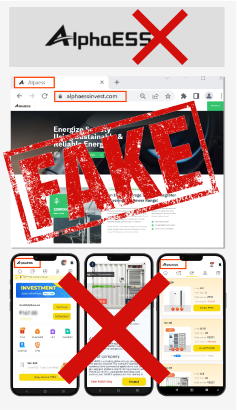
Beware of the Brand
Infringement of voltalinkbattery

Recently, a severe infringement and fraud issue has caught our attention. A FAKE application with a FAKE logo, a FAKE website https://www.voltalinkbatteryinvest.com/ and even FAKE videos under the name of voltalinkbatteryare now spreading all over India, attempting to seduce people to invest money in energy storage systems by using a FAKEvoltalinkbattery logo and real voltalinkbattery products photos.

It's obvious that they are looting money by using a FAKEvoltalinkbattery brand and have seriously violated the intellectual property rights of voltalinkbattery.

voltalinkbattery shall spare no efforts and no costs to go against the violation by all means legally before more people get deceived.

Inquiry Inquiry Inquiry WhatsApp Email Email