




Comprehensive Guide to Base Station Power Solutions
In modern telecommunications, reliable power supply is crucial to ensure that base stations operate without interruption. With the increasing demand for mobile connectivity and data traffic, telecom operators require advanced base station power solutions that provide consistent energy, optimize operational costs, and ensure network reliability. This guide explores the components, benefits, design considerations, and future trends of base station power systems.
What Are Base Station Power Solutions?
Base station power solutions refer to systems that supply continuous electricity to telecom towers, including cell towers, 5G stations, and other communication infrastructure. They typically combine backup batteries, rectifiers, inverters, energy management systems, and sometimes solar integration. The purpose is to maintain uninterrupted service even during grid failures or high load conditions.
Unlike standard grid connections, these systems ensure that essential communication equipment—antennas, servers, routers—remain fully operational during outages, preventing network downtime.
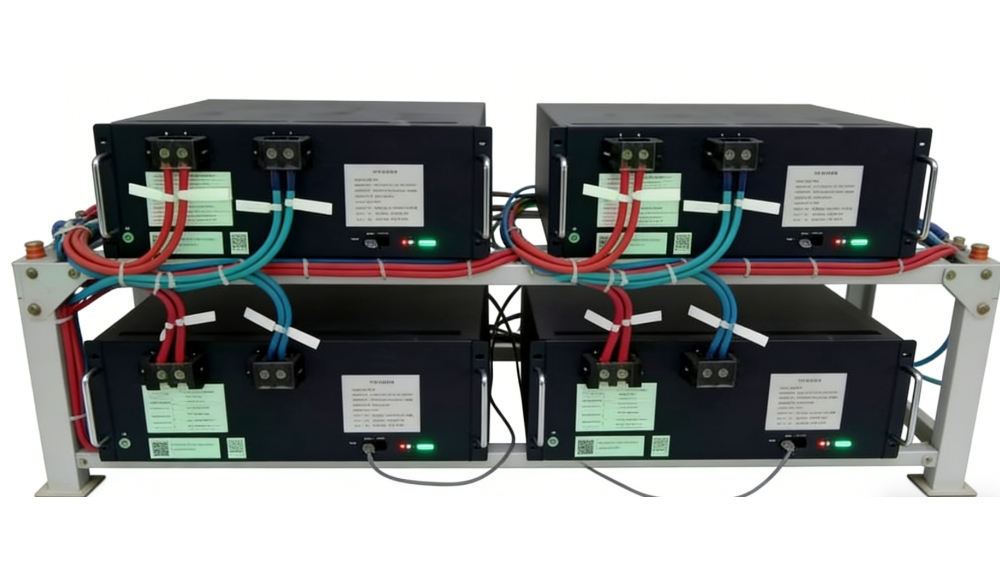
Core Components of Base Station Power Systems
Backup Batteries
Backup batteries are essential for maintaining uninterrupted power. Lithium-ion batteries are commonly used due to their high energy density, long life, and reliable performance. They can provide power for several hours during grid outages and can withstand frequent charge-discharge cycles.
Rectifiers and Inverters
Rectifiers convert AC power from the grid to DC power required by the base station, while inverters change stored DC electricity from batteries to AC for specific equipment. Together, they ensure efficient energy delivery and seamless transition between grid and backup power.
Energy Management System (EMS)
EMS monitors energy usage, battery status, and power supply conditions in real time. Intelligent EMS can schedule charging during off-peak periods, optimize battery life, and detect anomalies, ensuring stable and cost-effective operation.
Solar or Renewable Integration
Some base station solutions incorporate solar panels or hybrid renewable systems. This reduces dependency on grid electricity, lowers operational costs, and provides eco-friendly energy alternatives.
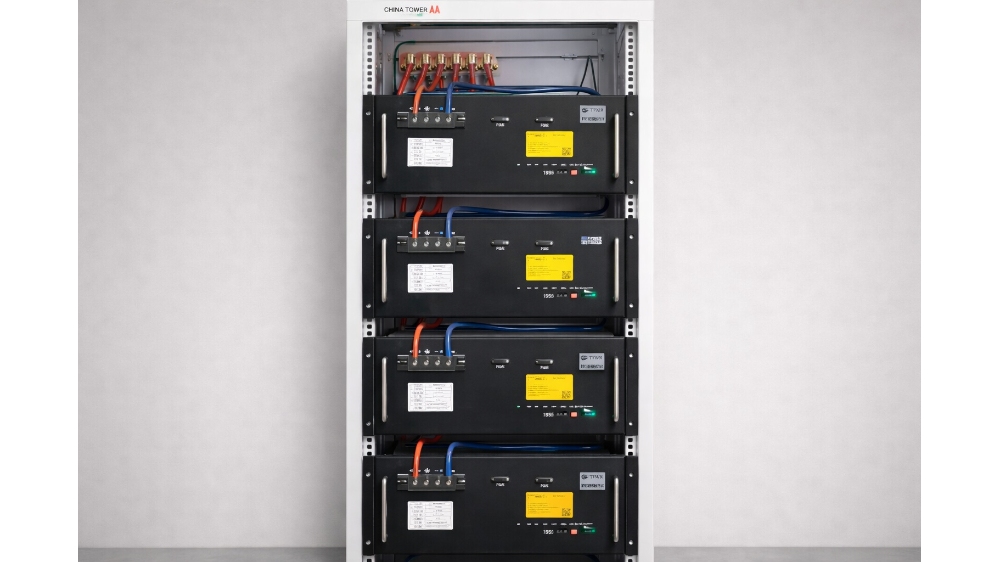
Advantages of Advanced Base Station Solutions
Continuous Network Reliability
High-quality base station power solutions prevent service disruptions, ensuring mobile communication, data transfer, and emergency services remain operational 24/7.
Reduced Operational Costs
Optimized battery management, load balancing, and renewable integration can significantly reduce electricity costs and minimize maintenance expenditure over the long term.
Scalable and Flexible Configurations
Solutions can be tailored to tower size, location, and energy requirements. Systems are modular, allowing operators to expand capacity as demand grows or adjust for remote locations.
Enhanced Safety and Protection
Modern systems include multiple safety features, such as overvoltage protection, short-circuit safeguards, thermal management, and automatic alarms to prevent equipment damage or fire hazards.
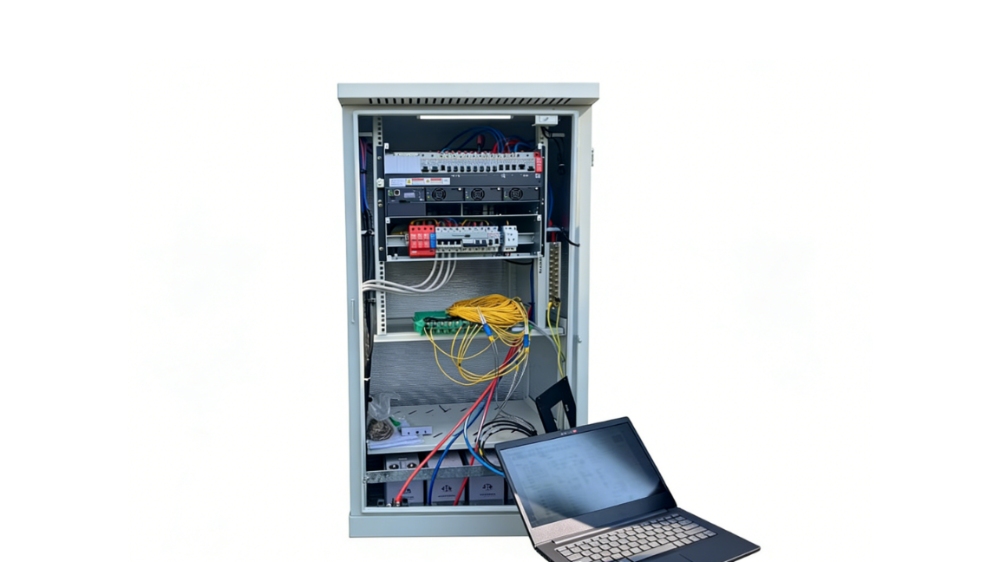
Designing Effective Base Station Power Systems
Assess Load Requirements
Operators must determine total power consumption, including antennas, routers, cooling systems, and lighting. This assessment ensures the battery capacity and inverter ratings are adequate to handle peak loads.
Evaluate Environmental Conditions
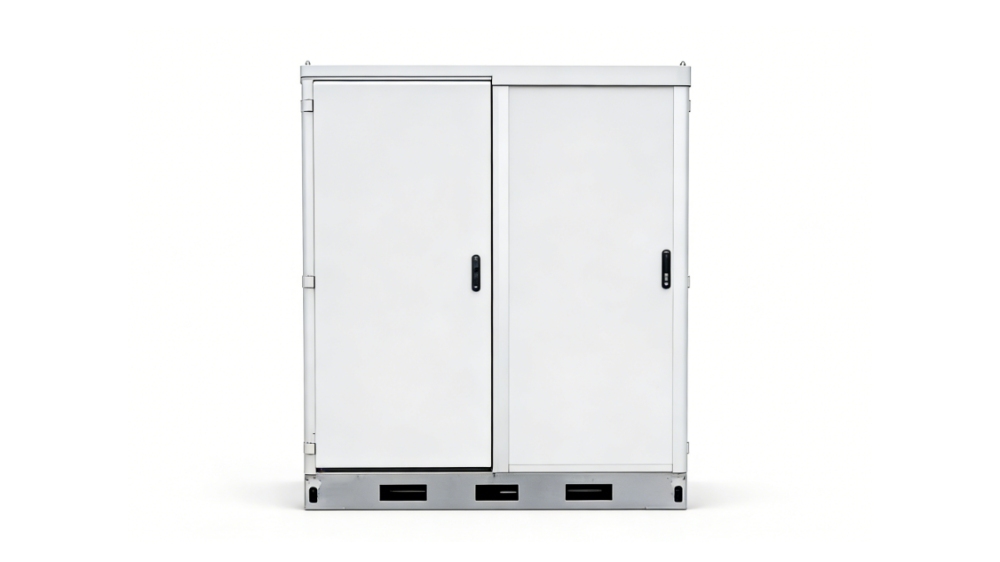
Temperature, humidity, and location can impact battery performance. Systems should be designed to withstand extreme heat or cold, often using insulated cabinets and cooling mechanisms.
Choose Appropriate Battery Technology
Lithium-ion batteries are preferred for high-density, long-life performance. Lead-acid batteries can be used for lower-cost installations, but require frequent maintenance and shorter life cycles.
Implement Smart Monitoring and Remote Management
Remote monitoring allows operators to track performance, schedule maintenance, and detect potential failures early, minimizing downtime and operational risks.
Integration with Renewable Energy Sources
Solar or hybrid renewable energy solutions for base stations are increasingly common, especially in remote or off-grid areas. Benefits include:
- Reduced grid dependency
- Lower electricity bills
- Eco-friendly operation with reduced carbon footprint
Smart EMS manages solar charging alongside battery storage, ensuring uninterrupted supply even during cloudy or low-generation periods.
Maintenance and Lifecycle Management
Regular Inspections
Check battery health, inverter performance, and rectifier efficiency periodically. Scheduled maintenance prevents system failure and prolongs equipment life.
Battery Replacement and Recycling
Batteries degrade over time. Lifecycle management includes planned replacement and proper recycling of old cells, ensuring environmental compliance and cost-efficiency.
Firmware and Software Updates
Updating EMS and inverter software improves energy management efficiency, security, and system reliability.
Future Trends in Base Station Power
AI-Powered Energy Management
Artificial intelligence can predict energy demand, optimize battery charging schedules, and reduce operational costs while ensuring continuous operation.
Advanced Battery Technologies
Next-generation batteries, such as solid-state or sodium-ion, promise longer life, higher energy density, and safer operation for telecom infrastructure.
Green and Smart Network Solutions
Renewable integration, energy-efficient rectifiers, and intelligent monitoring will become standard, enabling telecom operators to reduce carbon emissions and optimize resources.
Real-World Example: Remote Telecom Tower
A remote tower using:
- 20 kWh lithium-ion battery backup
- 5 kW solar panel integration
- Intelligent EMS for load management
This setup ensures 24/7 connectivity in a region with unstable grid supply, lowers operational costs, and provides reliable service continuity.
Common Misconceptions
Do base station systems only work during blackouts?
No. Modern solutions optimize energy use, manage peak electricity rates, and support continuous operation even when the grid is stable.
Are renewable-powered base stations less reliable?
Not at all. With proper battery storage and EMS management, renewable integration ensures consistent energy supply and reliability.
Conclusion: Reliable, Efficient, and Future-Ready Networks
Advanced base station power solutions are essential for modern telecommunication networks. They provide uninterrupted service, reduce operational costs, and integrate renewable technologies. Choosing the right system tailored to tower load, location, and budget ensures a reliable, safe, and efficient communication network.
FAQ (Frequently Asked Questions)
1. How much battery capacity does a base station need?
It depends on equipment load and backup duration requirements. Typically, systems are designed to cover several hours of peak power consumption.
2. Can base stations run on solar energy alone?
Yes, hybrid solar and battery storage solutions are common, particularly in remote or off-grid locations.
3. How often should batteries be replaced?
Battery lifespan varies; lithium-ion batteries typically last 5–15 years, depending on usage and maintenance.
4. Are advanced base station power systems safe?
Yes, certified systems feature overvoltage, short-circuit, and thermal protections to prevent failures and hazards.
5. Do telecom operators need permits for installation?
Yes, installation must comply with local electrical regulations and be handled by certified professionals.

-

 OEM Residential Energy Storage Solutions: Passive vs. Active Cell Balancing
2026-09-30
-
 Smart Home Battery with BMS Communication: Cybersecurity and BMS Safety
 -
 10kWh Home Battery Backup System: Is 90% DoD Better for Daily Solar Storage?
2026-09-29
-
 Integrated Home Energy Storage System 150–430V MPPT Design
2026-09-28
-
 LiFePO₄ Residential Backup Battery SOC Accuracy in Parallel Systems
Share this:






.svg)






-899.svg)


