




Comprehensive Guide to Home Energy Storage Solutions
In today’s era of rising electricity costs and increasing environmental awareness, more households are exploring home energy storage solutions. With the rapid growth of solar power, smart appliances, and eco-friendly technologies, a reliable and efficient home storage system can help optimize energy usage, reduce electricity bills, and increase energy independence. This guide will provide an in-depth look at the core components, benefits, and implementation strategies of home energy storage, ideal for families considering home-based power storage solutions.
What is a Home Energy Storage System?
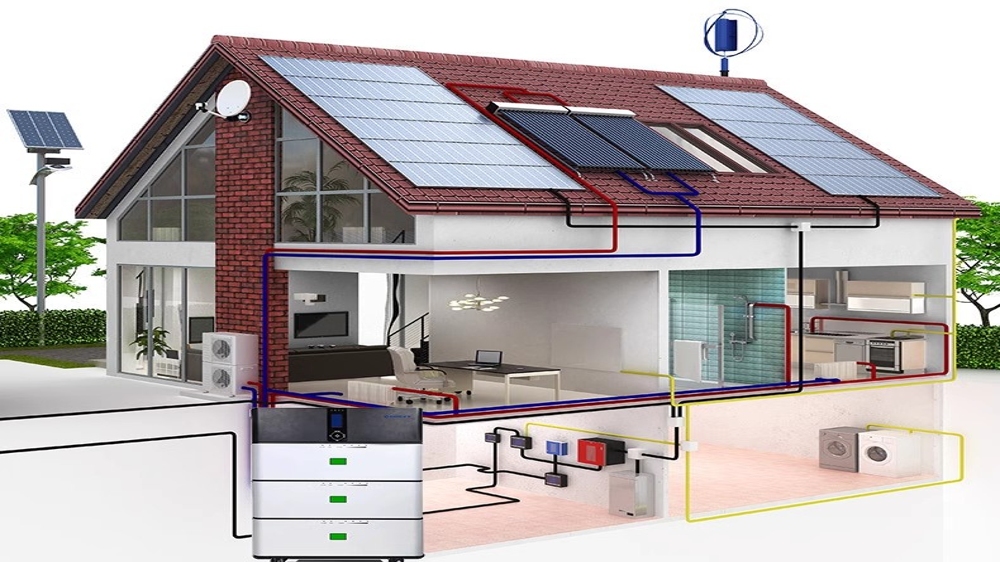
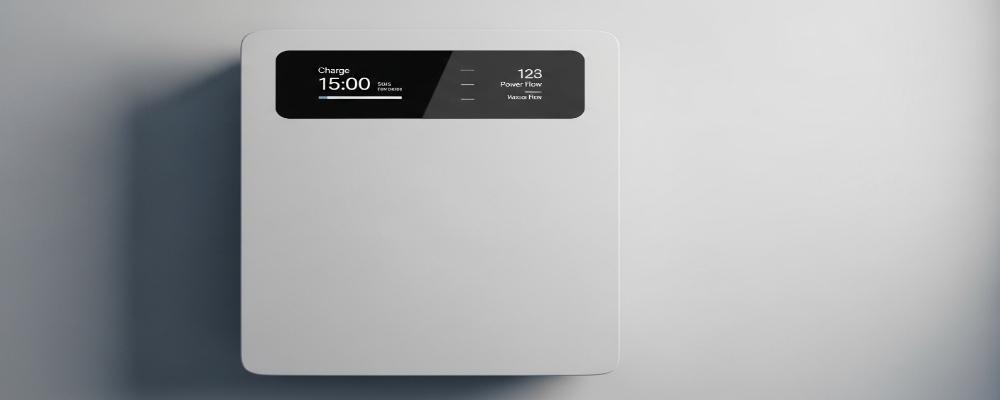
A home energy storage system is designed to store electricity generated during low-rate periods or from renewable sources such as solar panels, and release it during peak hours or power outages. It typically consists of battery packs, inverters, and energy management systems (EMS).
Unlike traditional reliance on grid electricity, a home energy storage system allows energy self-sufficiency, reduces dependence on external supply, and increases overall energy efficiency.
Core Components of a Home Storage System
- Energy Batteries
Batteries are the heart of the system, determining storage capacity and lifespan. Common types include lithium-ion and lead-acid batteries, with lithium-ion favored for high energy density and long service life. - Inverters and Controllers
Inverters convert stored DC electricity into AC electricity for household use, while controllers manage charging and discharging processes to ensure system efficiency and safety. - Energy Management System (EMS)
EMS monitors electricity usage in real time, intelligently scheduling charging and discharging based on electricity rates and consumption, optimizing overall performance.
Advantages of Home Energy Storage
Enhances Energy Independence
Instead of relying entirely on the grid, home energy storage provides power during outages, keeping essential devices running and increasing household self-reliance.
Reduces Electricity Costs
By storing electricity during low-cost periods and using it during peak hours, households can significantly reduce energy bills. When combined with solar power, reliance on grid electricity can be further minimized.
Environmentally Friendly
Maximizing renewable energy use reduces reliance on fossil fuels and lowers carbon emissions, contributing positively to the environment.
Provides Grid Stability Backup
During grid outages or natural disasters, energy storage can serve as a reliable backup, ensuring continuous operation of essential devices like refrigerators, lights, and communication systems.
Choosing the Right Home Energy Storage Solution
Assess Household Power Needs
Determine the total load by listing critical devices and their power consumption. For example:
- Refrigerator: 500W
- Air conditioner: 1500W
- Lighting: 300W
This data helps define the necessary battery capacity in kWh.
Evaluate Budget and Cost-Effectiveness
Energy storage systems are a significant investment. Compare battery types, brands, long-term efficiency, and warranty services to choose the most cost-effective solution.
Select Appropriate Battery Technology
- Lithium-ion: High energy density, long lifespan, ideal for long-term use.
- Lead-acid: Lower cost but shorter life and lower efficiency.
- Solid-state batteries: Advanced but currently expensive.
Lithium-ion batteries remain the preferred choice for most residential systems.
Implement Smart Monitoring and Management
A high-quality EMS ensures automatic energy scheduling, real-time system monitoring, and fault alerts, enhancing reliability and user experience.
Integration with Solar Photovoltaic Systems
Combining home energy storage with solar panels is increasingly popular. Solar panels generate electricity during the day:
- Excess energy is stored in the battery.
- Stored electricity powers the home at night or during peak-rate periods.
- Grid-sell or peak-shaving strategies maximize savings.
This integration increases efficiency and reduces long-term energy costs.
Installation Considerations
Compliant and Certified Installation
Energy storage systems are regulated electrical devices. Certified electricians or professional installers must handle installation to meet safety standards.
Design Optimal Layouts
Placement of batteries, inverters, and wiring should consider household layout, environmental conditions, and ventilation to maximize safety and longevity.
Routine Maintenance and Safety Checks
Regularly check battery health, connections, and system logs to prevent potential issues and ensure stable performance.
Future Trends in Home Energy Storage
Advancements in Battery Technology
Emerging technologies such as solid-state and sodium-ion batteries promise greater safety, higher energy density, and longer life spans.
AI-Powered Energy Management
AI-based EMS can predict consumption patterns, electricity rate fluctuations, and automatically optimize storage usage for maximum efficiency.
Policy Incentives and Energy Market Evolution
Government subsidies and tax incentives for renewable energy are increasingly common, reducing upfront costs for homeowners investing in storage solutions.
Real-Life Example: Residential Energy Storage
A family of four:
- Daily electricity demand: 25 kWh
- Installed 10 kW solar PV panels
- 15 kWh lithium-ion energy storage system
- Uses stored electricity during peak rates, saving up to 30% on monthly electricity bills
This system demonstrates how storage enhances energy independence and reduces household expenses.
Common Misconceptions
Can energy storage only be used during power outages?
No. Storage systems also optimize electricity costs by automatically managing consumption, even when the grid is operational.
Is energy storage suitable for every household?
Not always. Homes with minimal energy usage or no solar generation may need a cost-benefit analysis before investing in a storage system.
Conclusion: Smart, Green Living at Home
Home energy storage is becoming an essential part of modern households, enhancing efficiency, safety, and sustainability. Choosing the right solution tailored to your family’s needs enables energy independence, cost savings, and environmentally responsible living.
FAQ (Frequently Asked Questions)
1. How large should a home energy storage system be?
Determine based on daily electricity usage, appliance power ratings, and usage habits. Usually, it should cover 1–2 days of peak electricity consumption.
2. Can home energy storage work with solar panels?
Yes, combining storage with solar panels is the most cost-efficient and energy-efficient approach.
3. How often do batteries need replacement?
Depending on battery type, usually every 5–15 years. Lithium-ion batteries last longer with lower maintenance costs.
4. Are home energy storage systems safe?
Yes, certified systems with professional installation include multiple protections such as overheat and short-circuit prevention.
5. Do I need permits to install a home storage system?
Most regions require compliance with electrical codes and installation by certified professionals. Local authority registration may also be required.

-

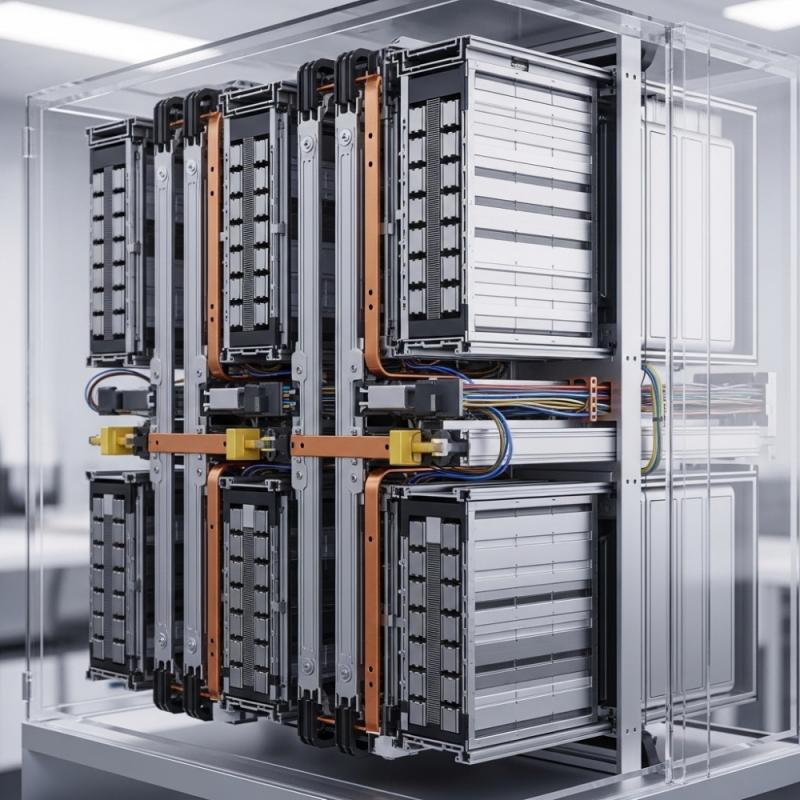 OEM Residential Energy Storage Solutions: Passive vs. Active Cell Balancing
2026-09-30
-
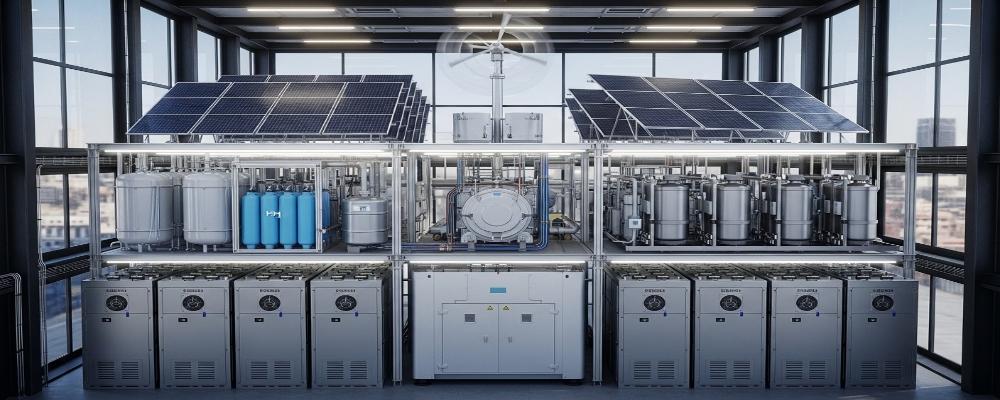 Smart Home Battery with BMS Communication: Cybersecurity and BMS Safety
 -
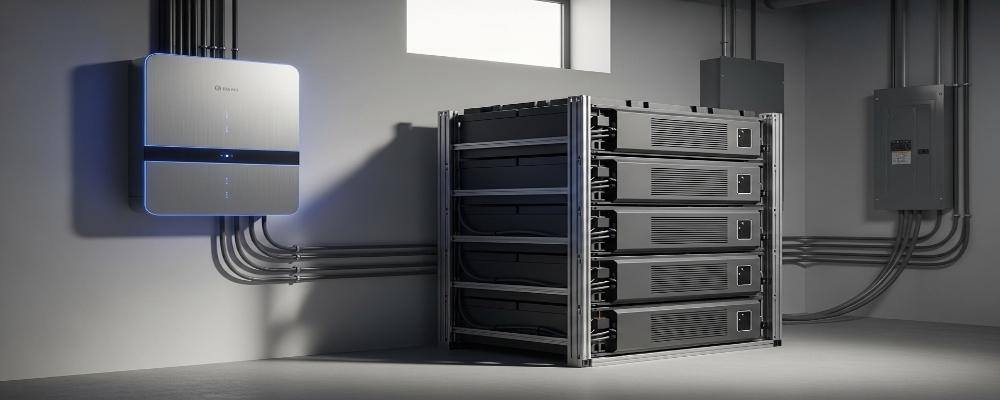 10kWh Home Battery Backup System: Is 90% DoD Better for Daily Solar Storage?
2026-09-29
-
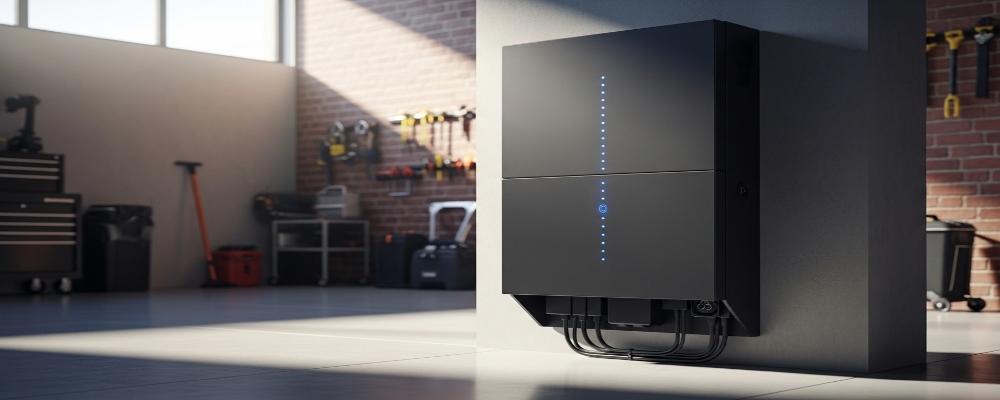 Integrated Home Energy Storage System 150–430V MPPT Design
2026-09-28
-
 LiFePO₄ Residential Backup Battery SOC Accuracy in Parallel Systems
Share this:





.svg)






-899.svg)


