



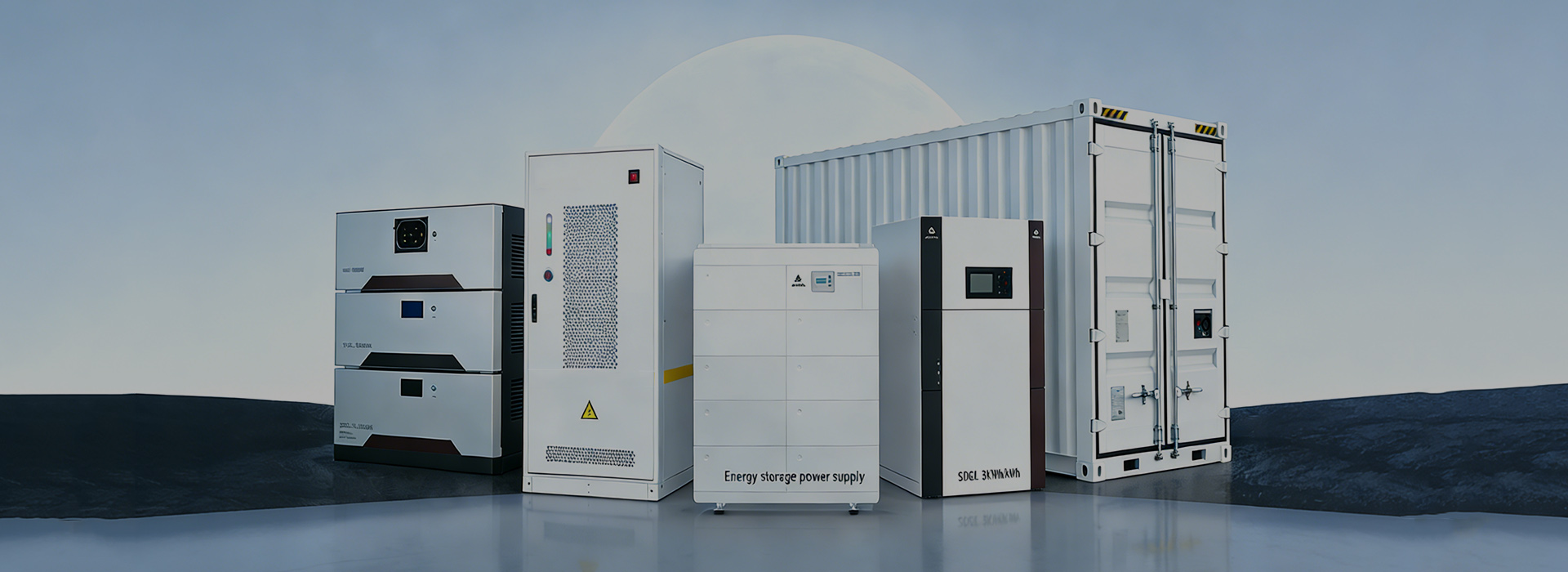
All Products
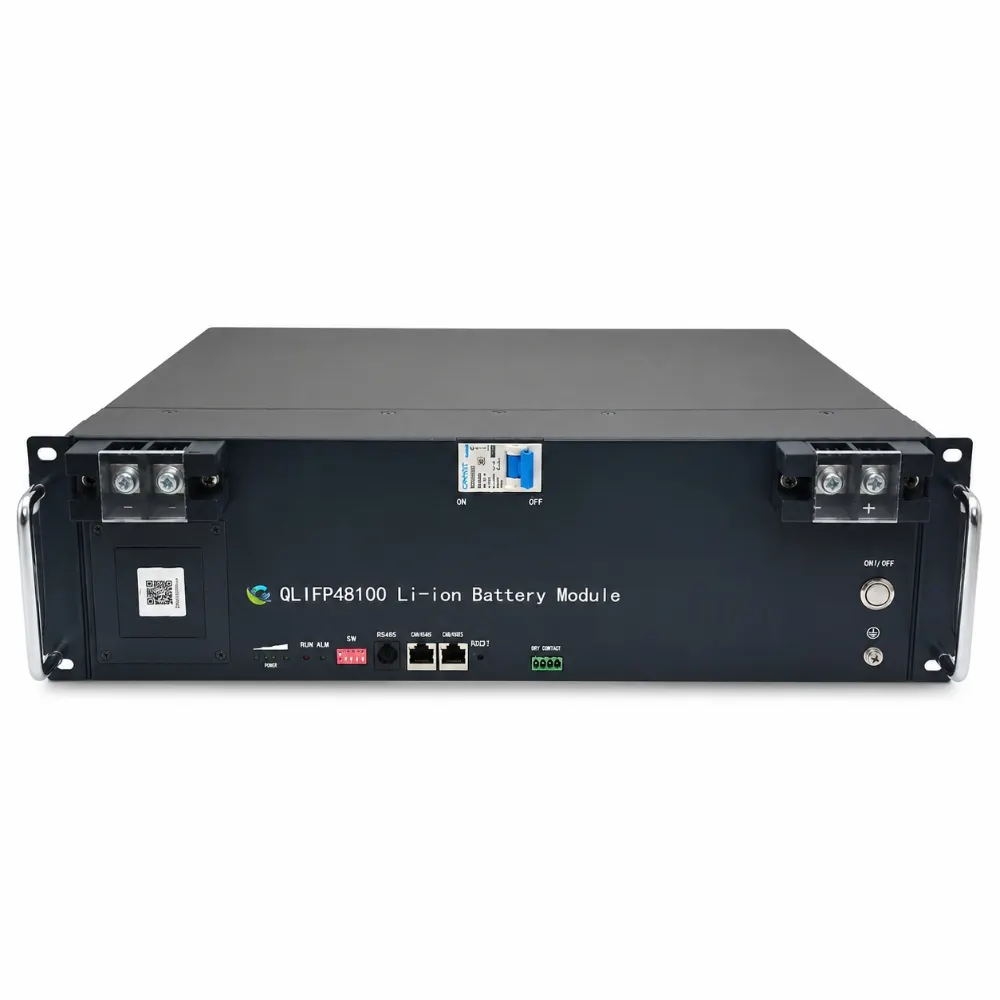
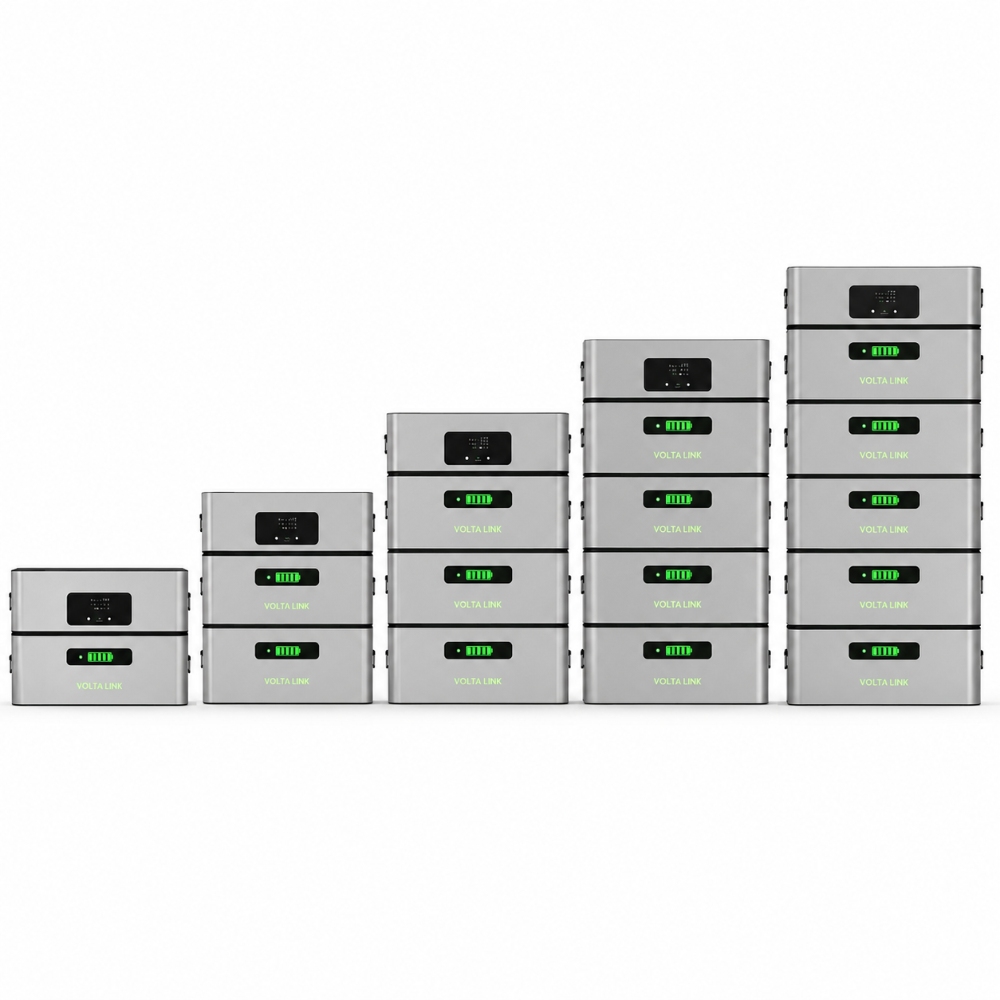
Portable Balcony Storage Battery System
Single Module:2400Wh
Expansion:500KW/1MW
Cycle Life:>6000 cycles
View More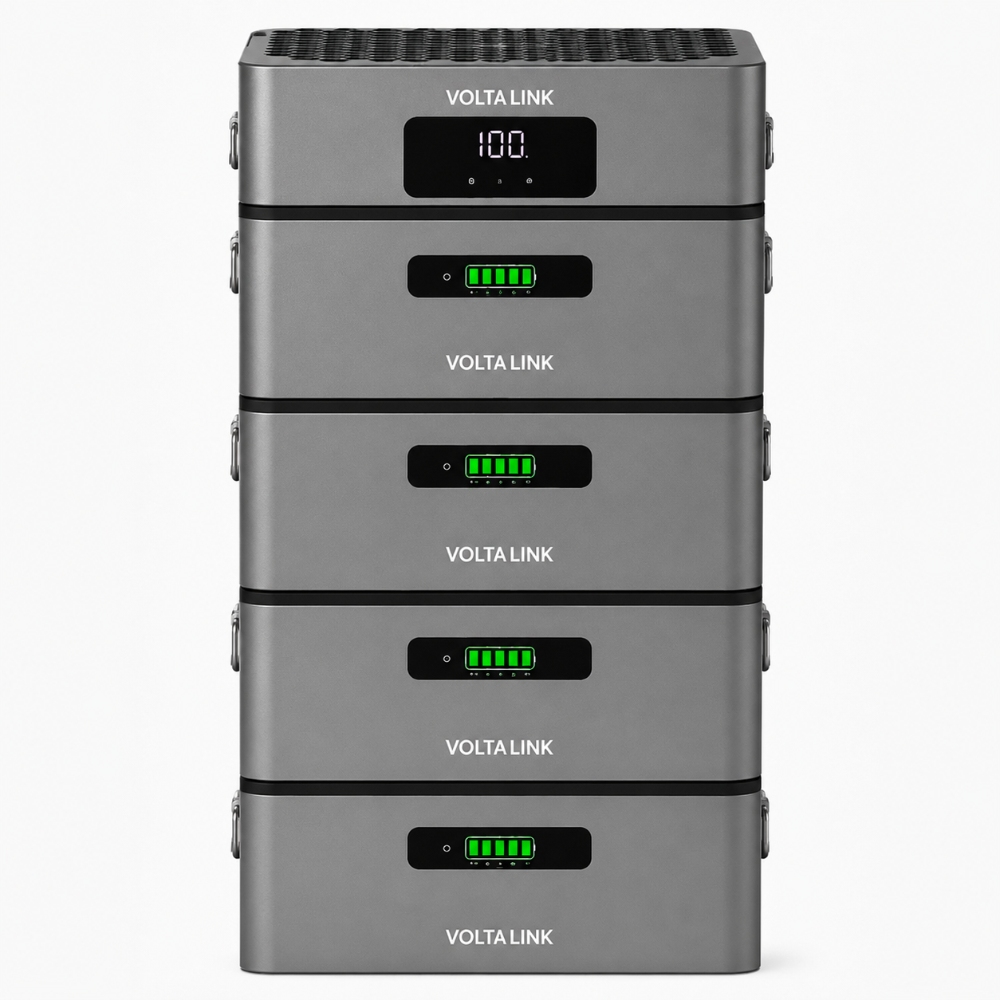
Home Balcony Battery Storage System
Single Module:2400Wh
Expansion:500KW/1MW
Cycle Life:>6000 cycles
View More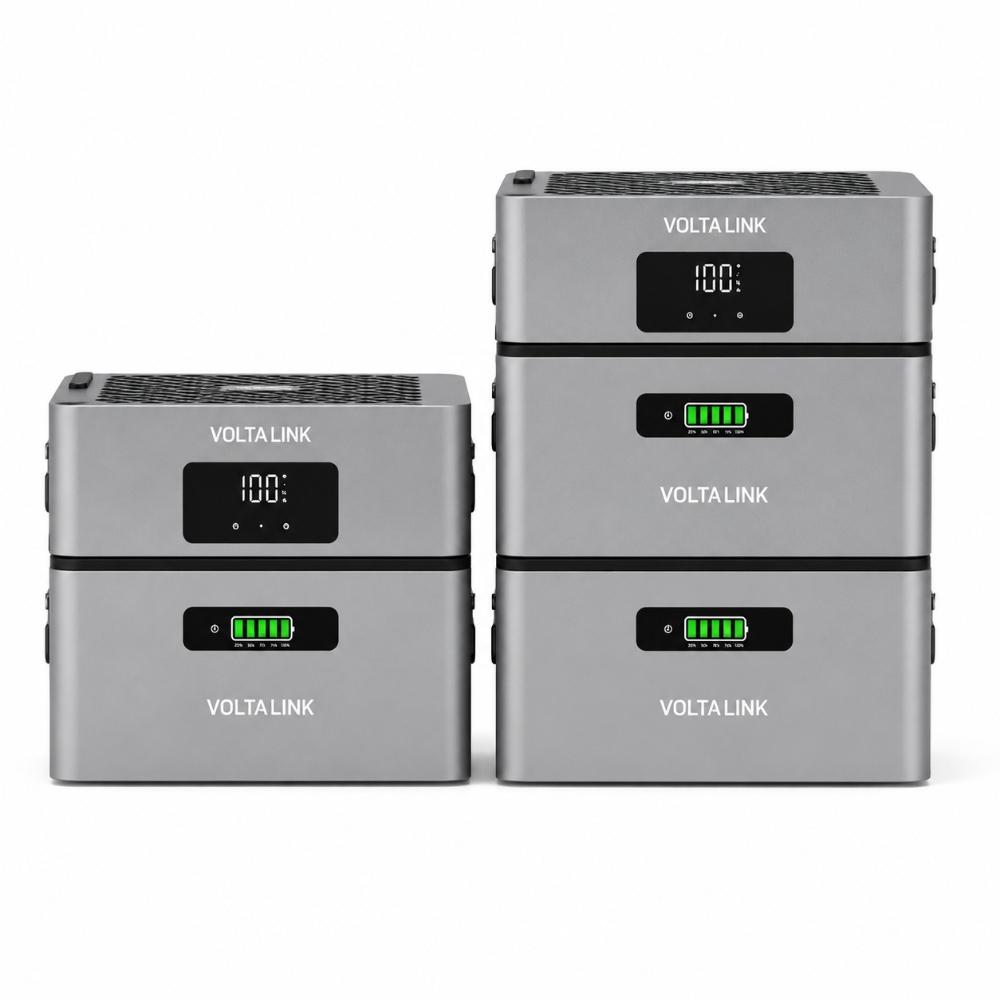
Stackable Energy Storage System
Single Module:2400Wh
Expansion:500KW/1MW
Cycle Life:>6000 cycles
View More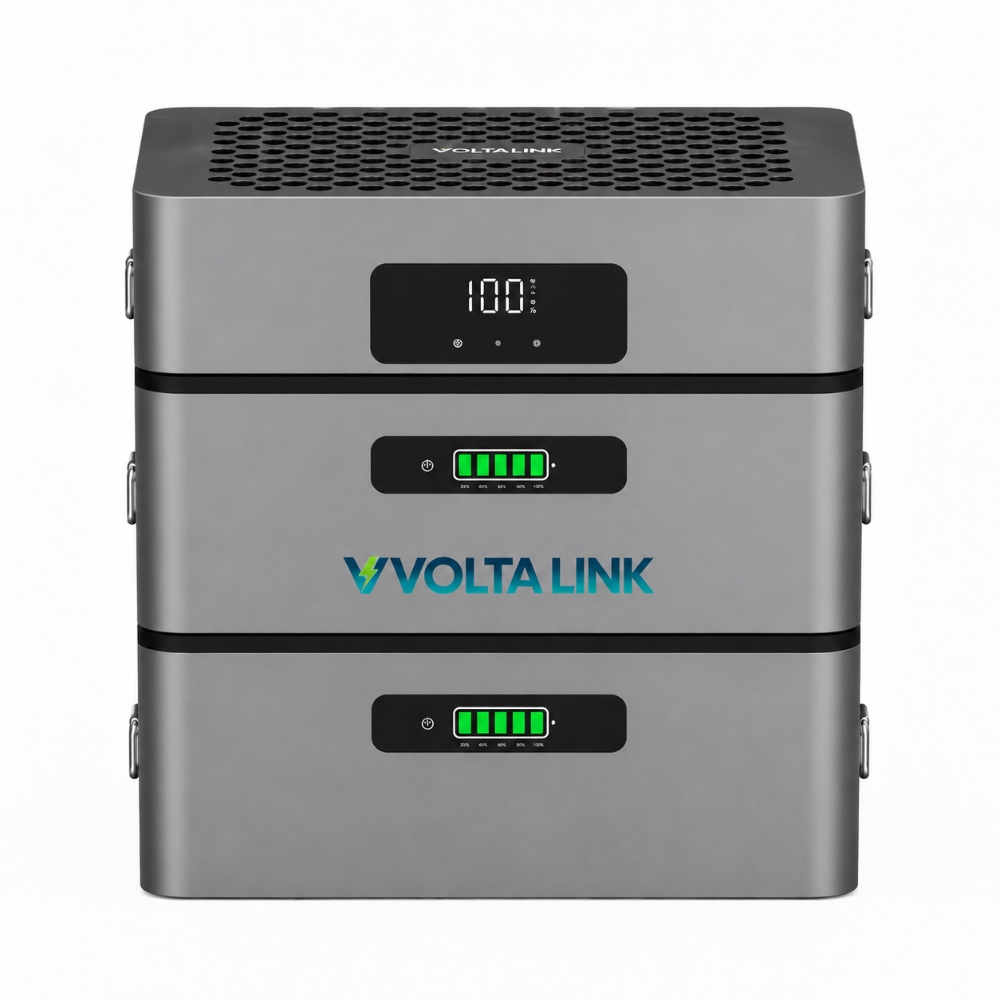
Balcony Solar Power System with Storage
Single Module:2400Wh
Expansion:500KW/1MW
Cycle Life:>6000 cycles
View More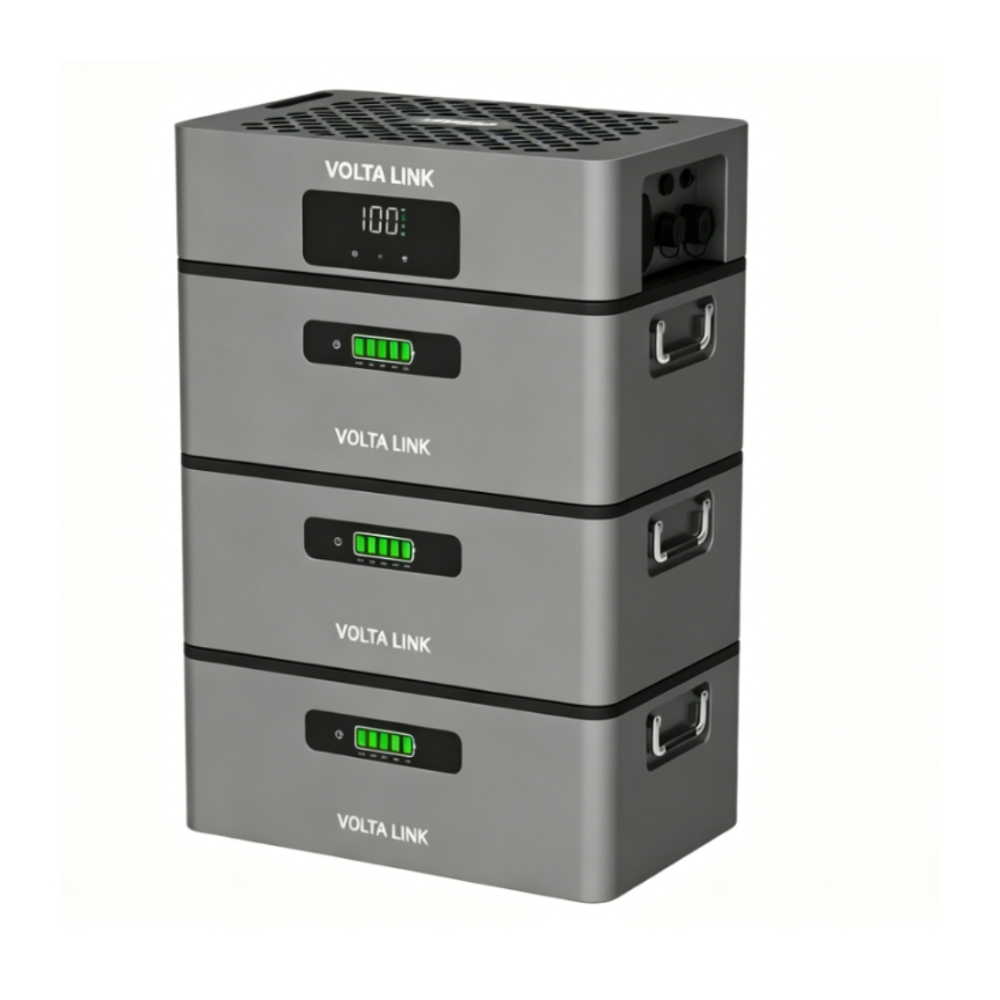
Solar Balcony Storage System
Single Module:2400Wh
Expansion:500KW/1MW
Cycle Life:>6000 cycles
View More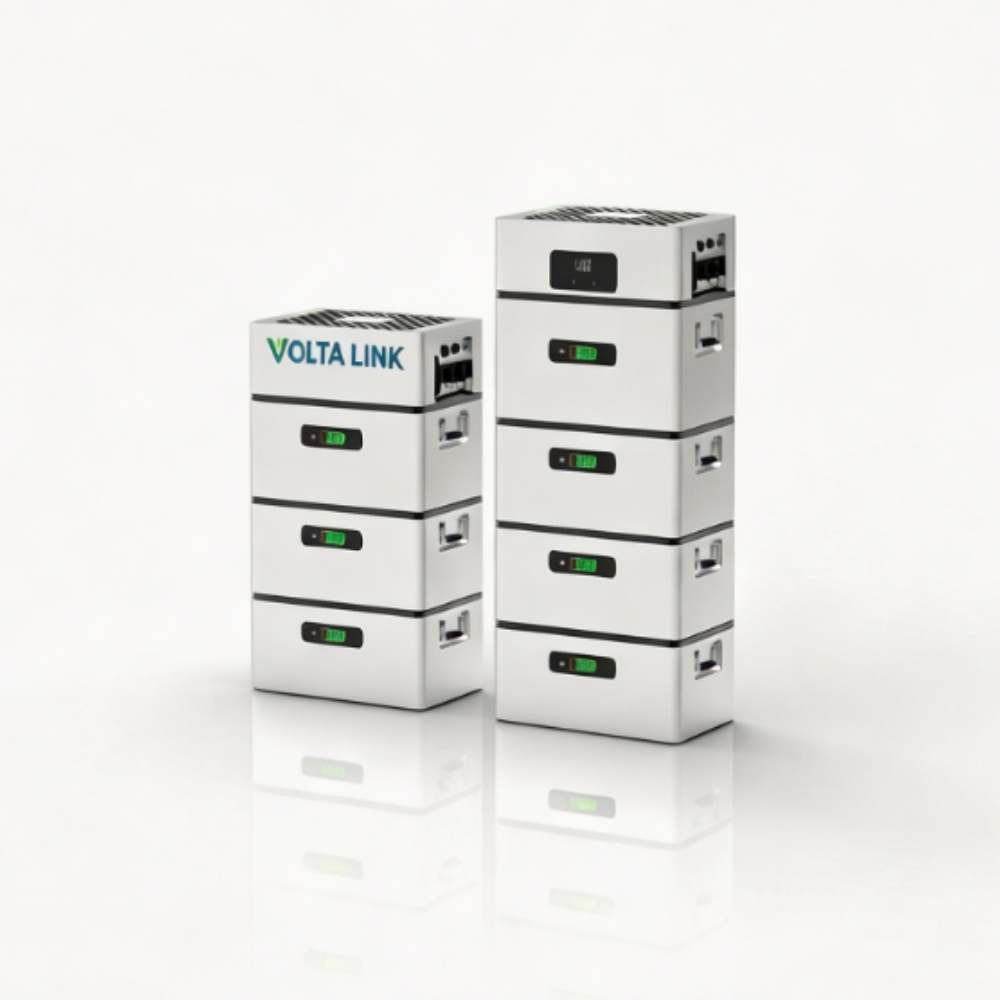
Modular Balcony Energy Storage System
Single Module:2400Wh
Expansion:500KW/1MW
Cycle Life:>6000 cycles
View More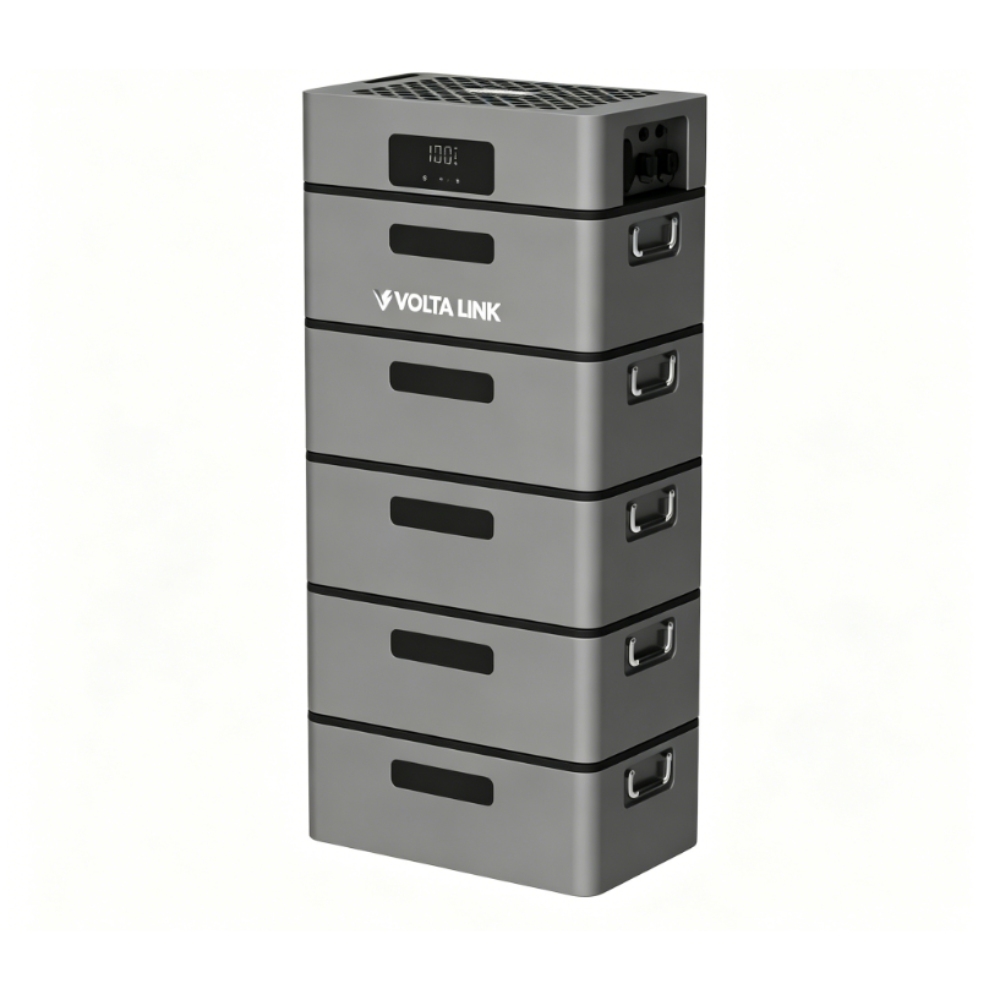
Balcony Energy Storage System
Single Module:2880Wh
Expansion:500KW/1MW
Cycle Life:>6000 cycles
View More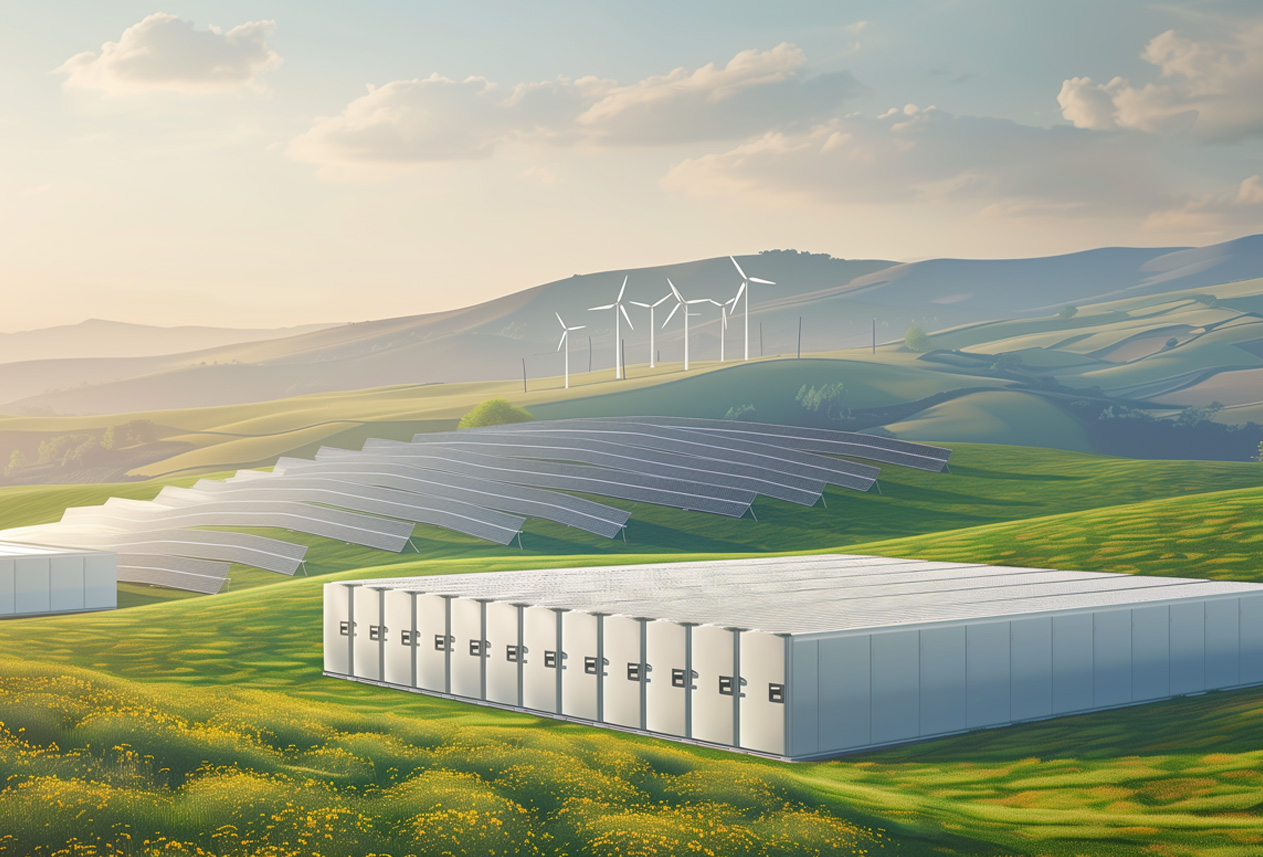
Outdoor energy storage
Outdoor energy storage is a weather-resistant battery system that safely stores electricity for homes, businesses, or public use.
Home energy storage
Home energy storage is a safe, high-capacity battery system that stores electricity for residential use, supporting self-consumption and backup power.
Backup power supply
A backup power supply is a reliable electrical system that provides emergency power during outages, ensuring continuous operation for homes, businesses, or critical equipment.
Battery products
Battery products are energy storage devices that store and release electricity safely and efficiently for various applications, including residential, commercial, and industrial use.
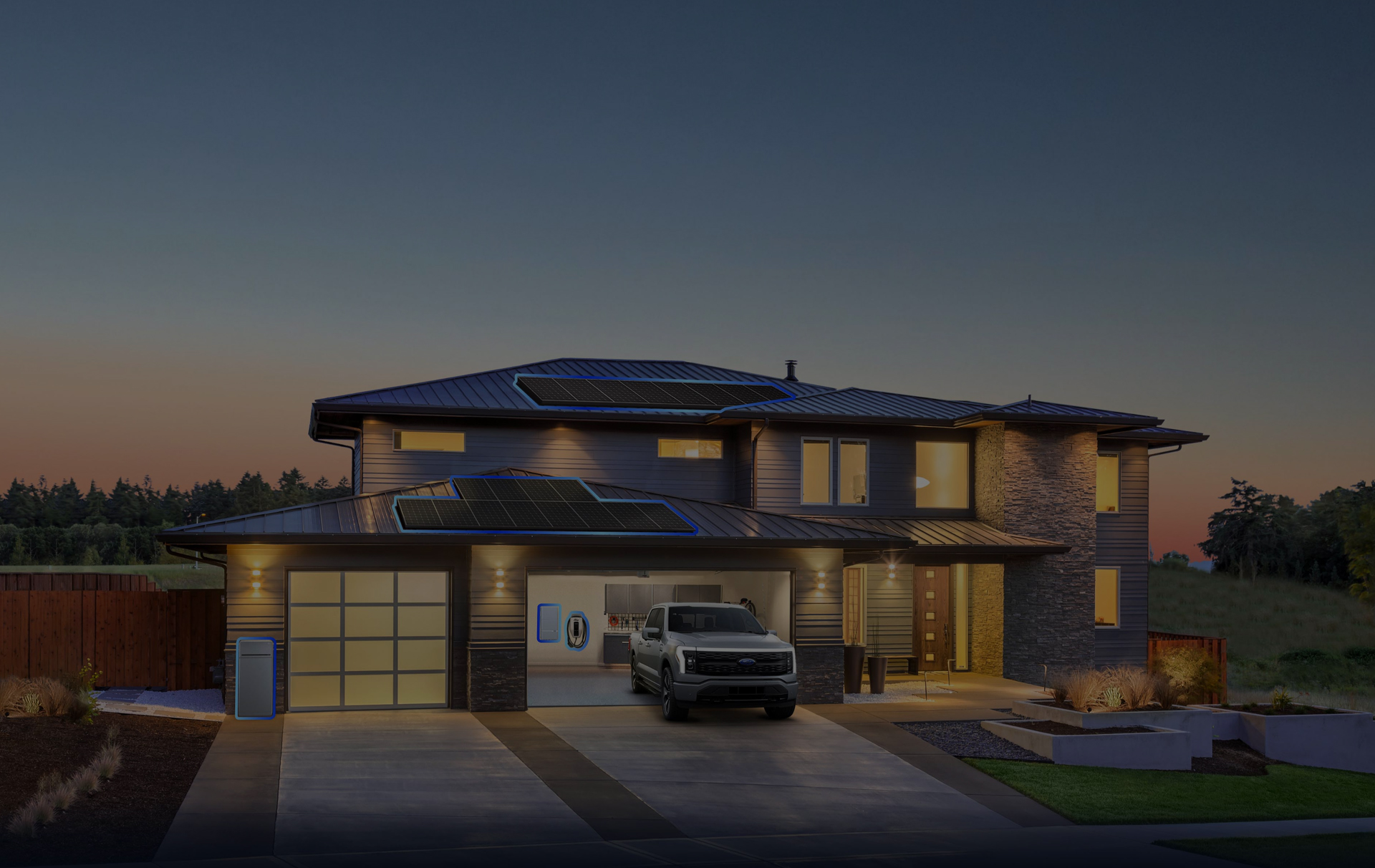
Ground Power Station Scenario
-

Micro-gird
-

Generation-side energy storage
-

Gird-side energy storage
-

User-side energy storage
-

New and Existing PV Power Plants
Frequently Asked Questions
Residential ESS stores energy from solar panels and the electrical grid, providing reliable backup power for homes. It helps balance electricity usage, reduces peak energy costs, and ensures uninterrupted power during outages. Advanced battery management systems monitor performance and optimize energy flow, while scalable designs allow homeowners to expand capacity as needed. By integrating renewable energy sources, residential ESS improves energy efficiency, enhances sustainability, and offers a convenient solution for managing electricity usage in modern households.
It is ideal for residential households who want backup power, lower electricity costs, or maximize the value of their rooftop solar system.
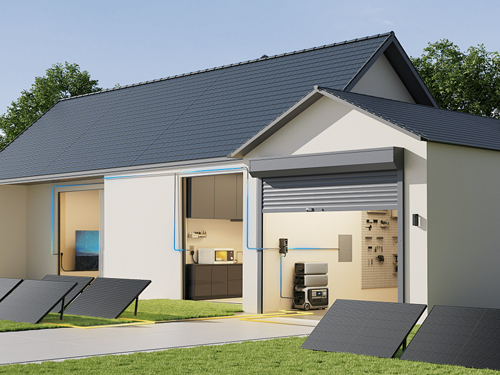
Yes. You can charge from the grid during off-peak hours and discharge during peak hours to save money, or use it as a backup power source.
Yes, you can use a home battery system without solar panels. While many homeowners connect energy storage with solar power, a battery system can also work as a flexible grid-charged backup and cost-saving solution. Instead of relying on solar generation, the system charges from the grid during off-peak hours, when electricity rates are usually lower, and then discharges during peak hours to help reduce energy costs.
This setup is especially useful for homes that are not ready to install solar panels yet, properties with limited roof space, or users who want backup power first. During daily operation, the battery stores electricity when grid demand is low. Later, it supplies power when electricity prices rise or when the grid becomes unstable. As a result, homeowners can improve energy flexibility without changing their entire power system at once.
A battery-only system can also support essential household loads during outages. Depending on the battery capacity and system design, it may power lighting, refrigerators, communication devices, routers, and other key appliances. This makes it a practical option for families that want better energy security, even without solar panels.
For future upgrades, the system can also leave room for solar integration. Users may begin with grid charging and add solar panels later when budget, roof conditions, or local incentives become more suitable. This step-by-step approach helps reduce upfront investment while keeping the energy system ready for long-term expansion.
In short, a home battery system without solar panels is not only possible but also practical. It can help manage peak-hour electricity use, provide backup power, and create a more flexible path toward smarter home energy management. For homeowners seeking reliable storage without immediate solar installation, this solution offers a balanced and scalable choice.
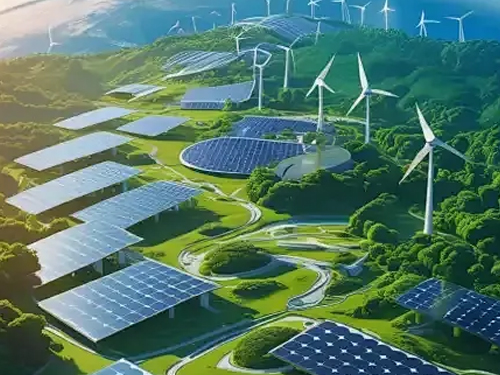
Yes. All our home and commercial energy storage systems are fully compatible with new or existing solar panel installations. They store excess solar power for night or cloudy-day use.
Yes, Voltalink battery systems work with both new and existing solar panel installations. They are designed to store excess solar power generated during the day and make that energy available at night, during cloudy weather, or when electricity demand is higher. This helps homeowners and businesses use more of their own solar energy instead of sending unused power back to the grid.
For residential users, a solar-compatible battery system can improve daily energy efficiency. When solar panels produce more electricity than the home needs, the battery stores that surplus power. Later, the stored energy can support lighting, appliances, communication devices, and other essential loads. As a result, users can reduce grid dependence and gain better control over household electricity use.
For commercial users, solar battery storage can support more stable power management. Facilities with daytime solar generation can store unused power and use it during peak-rate periods. This can help reduce electricity costs, improve backup readiness, and support smoother energy planning. In areas with unstable grids, the system also adds an extra layer of protection for daily operations.
Voltalink systems are also suitable for users who want a flexible upgrade path. If solar panels are already installed, the battery can help improve solar utilization. If solar installation is planned later, the energy storage system can become part of a future-ready power setup. This makes the solution practical for homes, offices, telecom sites, and industrial applications.
In short, Voltalink battery systems are built to work with solar panels and help users get more value from renewable energy. By storing excess solar power, supporting backup needs, and improving energy independence, the system offers a smarter way to manage electricity in modern homes and
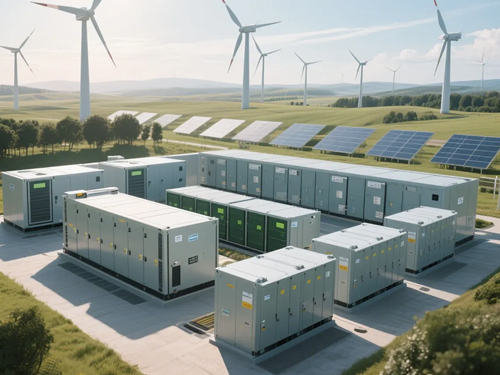
Energy storage system benefits include improved energy efficiency, better grid stability, and enhanced power reliability. By storing electricity during low-demand periods and releasing it when needed, these systems help balance energy supply and demand. They also support renewable energy integration, allowing solar and wind power to be used more effectively. In addition, energy storage systems can reduce peak electricity costs and provide backup power during outages, making energy usage more flexible, stable, and cost-efficient for residential and commercial users.
Features:
• Lower electricity bills by using stored energy during peak-price hours
• Uninterrupted power supply during blackouts
• Maximize self-consumption of solar energy
• Reduce reliance on the grid
• Eco-friendly and lower carbon footprint
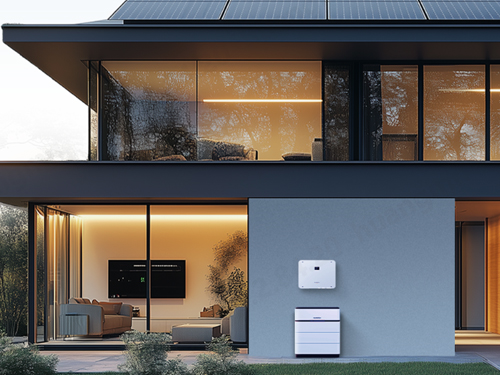
Commercial energy storage systems store electricity from the grid or renewable sources, providing reliable backup power and improving energy management for businesses. They help balance supply and demand, reduce peak electricity costs, and ensure uninterrupted operations during outages. By integrating with solar or wind power, these systems optimize energy usage and enhance sustainability. Scalable and modular designs allow businesses to expand capacity as needed, while intelligent monitoring ensures efficient performance, making commercial energy storage a smart investment for cost savings and operational reliability.
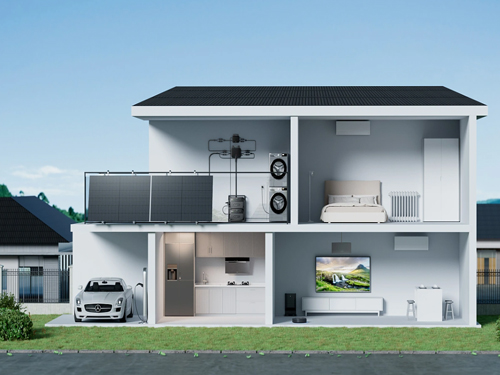
A home or commercial energy storage system is a device that stores electricity (usually from solar panels or the grid) in batteries for later use. It lets you use stored power during outages, reduce electricity costs, and improve energy independence.





.svg)






-899.svg)


