




Comprehensive Guide to Commercial & Industrial Energy Solutions
Modern businesses face increasing energy demands, rising electricity costs, and growing expectations for sustainability. Implementing commercial and industrial energy solutions allows companies to reduce operational costs, maintain reliable power, and support eco-friendly practices. This guide explores the components, benefits, implementation strategies, and future trends of energy solutions for commercial and industrial applications.
What Are Commercial & Industrial Energy Solutions?
Commercial and industrial energy solutions are integrated systems designed to supply, store, and manage electricity for businesses and industrial facilities. These systems typically include high-capacity batteries, inverters, energy management systems (EMS), and often renewable energy integration such as solar or wind.
They differ from residential systems by their higher capacity, scalability, and ability to handle complex operational demands across multiple loads and equipment types.
Core Components of Commercial & Industrial Systems
High-Capacity Batteries
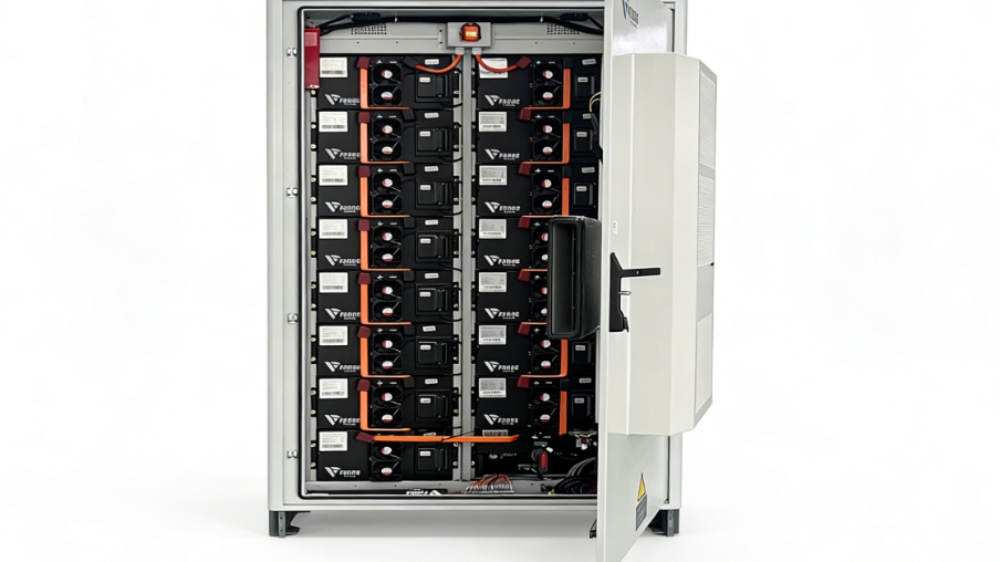
High-capacity batteries are the backbone of commercial and industrial energy solutions. Lithium-ion batteries are widely used due to their long lifespan, high energy density, and efficiency. They are capable of handling heavy loads, frequent charge-discharge cycles, and continuous operation during peak energy demands.
Inverters and Power Converters
Inverters convert stored DC power into AC electricity suitable for industrial equipment, while power converters regulate voltage and ensure smooth energy delivery across diverse machinery. This is essential for maintaining consistent operations in manufacturing, commercial buildings, or large facilities.
Energy Management Systems (EMS)
EMS software monitors energy consumption, optimizes load distribution, and schedules battery usage. Advanced EMS solutions use predictive analytics to reduce peak energy costs, manage backup energy, and improve overall energy efficiency.
Renewable Energy Integration
Many commercial and industrial facilities integrate solar or hybrid energy sources to reduce grid dependency, lower electricity bills, and support corporate sustainability goals. EMS ensures seamless integration and maximum energy utilization.
Benefits of Commercial & Industrial Energy Solutions
Reliable Power Supply
These systems ensure uninterrupted operations even during grid outages, protecting sensitive equipment, maintaining production schedules, and preventing downtime losses.
Cost Reduction
By storing electricity during off-peak hours and using renewable energy, businesses can reduce energy costs significantly. Intelligent energy management further maximizes efficiency and ROI.
Scalability and Flexibility
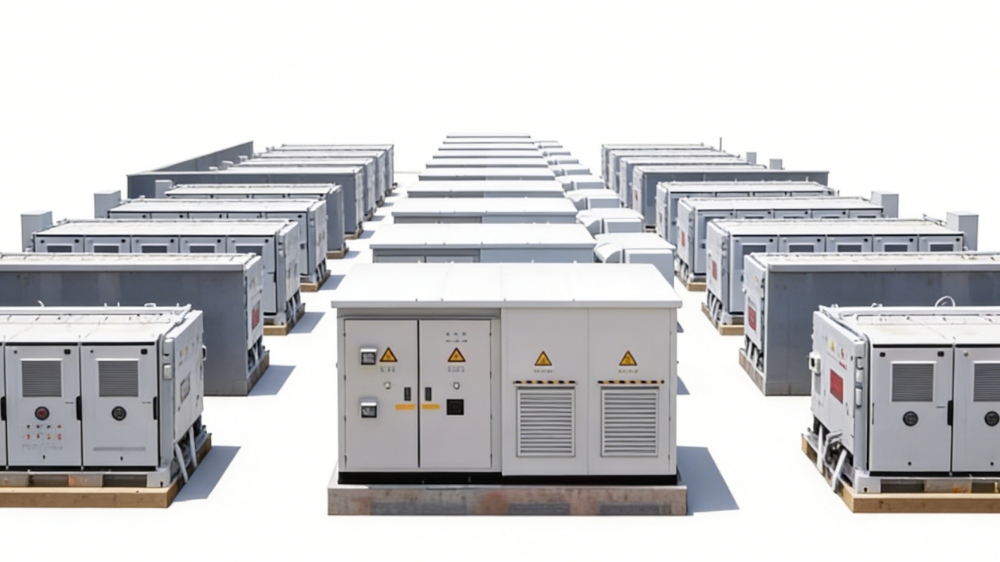
Commercial systems can be designed modularly, allowing easy expansion as energy demands grow. Systems can support multi-building facilities, industrial complexes, or large commercial offices.
Environmental Sustainability
Integrating renewable energy and energy storage contributes to carbon reduction, improves corporate social responsibility, and aligns with environmental regulations.
Designing Effective Commercial & Industrial Energy Systems
Assessing Load and Energy Requirements
Businesses must calculate peak and average energy usage, including critical operations such as machinery, HVAC systems, lighting, and IT infrastructure. This ensures the system can handle both routine and emergency demands.
Selecting Battery and Power Technologies
Lithium-ion batteries are optimal for high efficiency and long lifespan. For lower-cost options, lead-acid batteries may be considered, but they require frequent maintenance and have shorter lifespans.
Implementing Advanced EMS
A smart EMS enables real-time monitoring, predictive energy management, fault detection, and cost optimization, ensuring the facility runs efficiently under varying conditions.
Environmental and Site Considerations
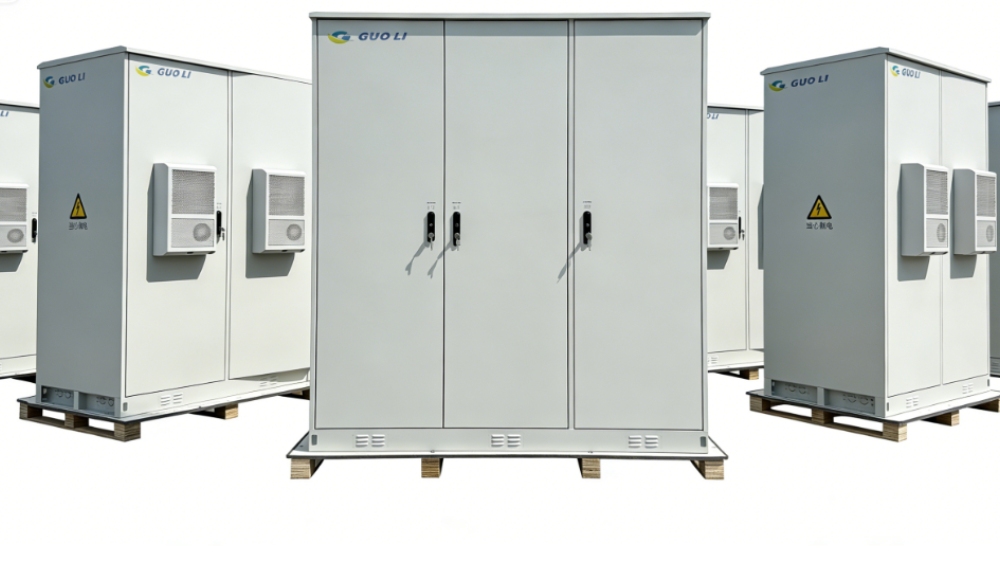
Temperature, humidity, and facility layout affect system performance. Proper enclosure design, ventilation, and thermal management are critical for safe and long-lasting operations.
Integrating Renewable Energy
Solar, wind, or hybrid renewable integration helps businesses achieve sustainable energy goals:
- Solar panels can supply daytime energy directly to operations or charge batteries for later use.
- Wind energy can supplement grid power in industrial locations with high wind potential.
- EMS ensures optimal energy storage and discharge, minimizing reliance on peak grid electricity.
Maintenance and Lifecycle Management
Regular System Checks
Routine inspection of batteries, inverters, and EMS ensures operational reliability and prevents costly downtime. Performance monitoring helps detect early warning signs of failure.
Battery Replacement and Recycling
Battery degradation over time requires proactive replacement. Proper recycling ensures compliance with environmental regulations and supports sustainability initiatives.
Software and Firmware Updates
Updating EMS and inverter software enhances system efficiency, security, and predictive energy management capabilities.
Future Trends in Commercial & Industrial Energy Solutions
AI-Driven Energy Management
Artificial intelligence will optimize energy use, predict load demands, and adjust storage and consumption schedules, lowering costs while ensuring uninterrupted power.
Advanced Energy Storage Technologies
Next-generation batteries, such as solid-state or sodium-ion, promise higher energy density, longer life, and improved safety for commercial and industrial applications.
Sustainable and Smart Facilities
Integration of renewable energy, energy-efficient equipment, and intelligent management systems is becoming standard for future-ready commercial and industrial buildings.
Real-World Example: Industrial Facility
A manufacturing plant using:
- 200 kWh lithium-ion battery storage
- 50 kW solar array integration
- Advanced EMS for load management
This setup ensures continuous production during peak loads and grid outages, reduces operational costs, and supports the company’s sustainability targets.
Common Misconceptions
Are energy solutions only useful during power outages?
No. Modern systems optimize energy usage, reduce costs, and provide backup power, even when the grid is fully operational.
Do renewable-integrated systems compromise reliability?
Properly managed hybrid systems maintain reliable energy supply, ensuring operations are uninterrupted.
Conclusion: Efficient, Reliable, and Sustainable Business Energy
Commercial and industrial energy solutions are essential for modern business operations. They provide reliable power, reduce costs, and support sustainability initiatives. Selecting the right system tailored to facility requirements, energy usage, and operational goals ensures maximum efficiency, reliability, and long-term ROI.
FAQ (Frequently Asked Questions)
1. How large should a commercial energy storage system be?
It depends on total load, critical operations, and desired backup duration. Systems are sized to meet peak demand and emergency requirements.
2. Can commercial facilities integrate solar or wind energy?
Yes, hybrid renewable systems help reduce grid dependency and lower operational costs.
3. How long do industrial batteries last?
Lithium-ion batteries typically last 5–15 years depending on load, usage, and maintenance.
4. Are commercial energy solutions safe?
Yes, certified systems include overvoltage, thermal, and short-circuit protection to prevent hazards.
5. Do businesses need permits for installation?
Yes, installations must comply with local electrical codes and be handled by certified professionals.

-

 OEM ODM Home Energy Storage Manufacturer for Stackable Home Battery Solutions
2026-08-20
-
 High-Rate Discharge in Data Center UPS Battery Backup Systems Explained
 -
 LiFePO₄ RV Battery 48V System Design: Battery, Inverter, Solar and DC Load Integration
2026-08-19
-
 51.2V LiFePO₄ Server Rack Batteries: 100Ah Capacity, Energy Output and Runtime
2026-08-18
-
 51.2V 100Ah LiFePO₄ Battery for Inverter in Solar Energy Storage Systems
2026-08-17
Share this:





.svg)






-899.svg)


