




Industrial-Grade Energy Reservoir Solutions for Modern Facilities
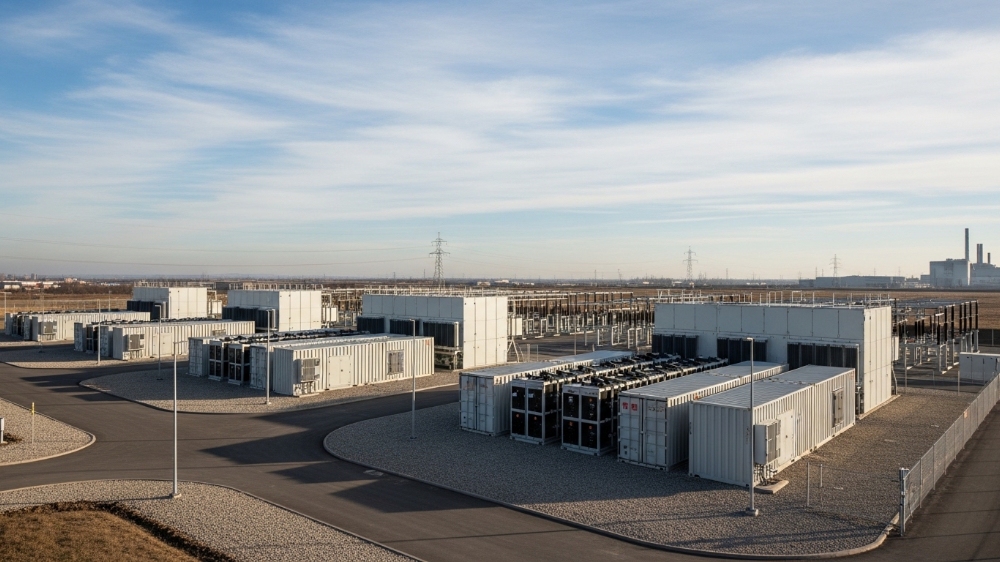
Industrial environments face unique challenges in energy management. Production lines, heavy machinery, and critical infrastructure require continuous, stable power. Industrial-grade energy reservoirs offer a strategic solution, providing centralized or distributed energy storage that can operate under demanding conditions. These systems are not merely “backup batteries”; they function as intelligent hubs for energy allocation, balancing, and rapid deployment.
Unlike consumer storage units, industrial reservoirs are engineered for rigorous operational loads, environmental exposure, and long-duration cycles. Their design incorporates thermal regulation, surge protection, and real-time monitoring to maintain safety and reliability. The focus is on operational continuity rather than just storing energy for emergencies.
Redefining Energy Allocation
Traditional approaches often treat industrial storage as a passive backup. Modern energy reservoirs adopt active energy management, dynamically distributing stored power to meet variable demand. For example, during peak production hours, reservoirs can prioritize heavy-duty equipment, while secondary systems such as lighting or auxiliary pumps receive lower priority.
This approach reduces energy bottlenecks, prevents equipment stress, and allows facilities to operate efficiently without increasing utility dependency. It shifts the conversation from “power redundancy” to energy orchestration, where the reservoir plays a central role in managing load distribution.
Integration with Onsite Generation
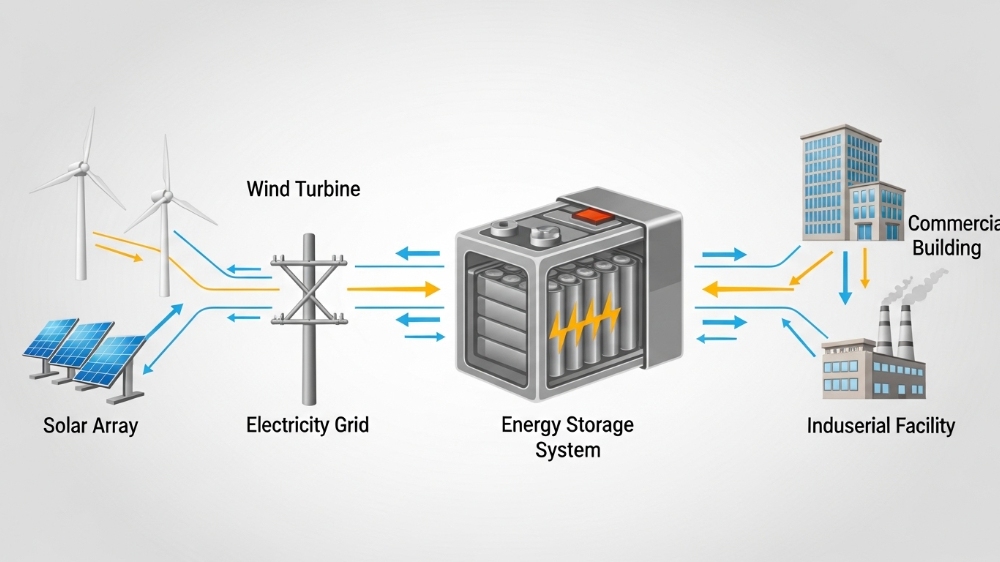
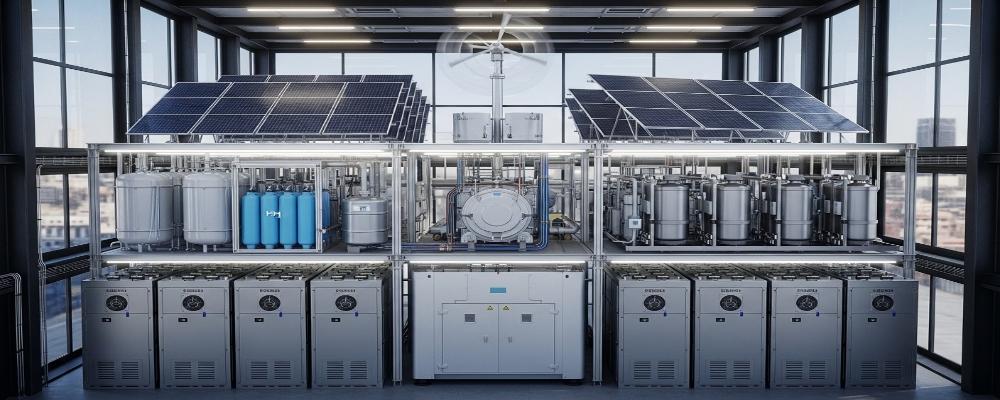
Many facilities now combine reservoirs with onsite power generation, such as modular solar panels, wind turbines, or small-scale cogeneration units. This integration transforms reservoirs into adaptive energy depots that store excess production and release it strategically when consumption exceeds generation.
For instance, a factory with intermittent solar production can rely on the reservoir to maintain machinery uptime during low-light periods. Predictive algorithms calculate energy availability in real time, coordinating storage discharge and generation to maintain stable operations.
Environmental and Risk Considerations
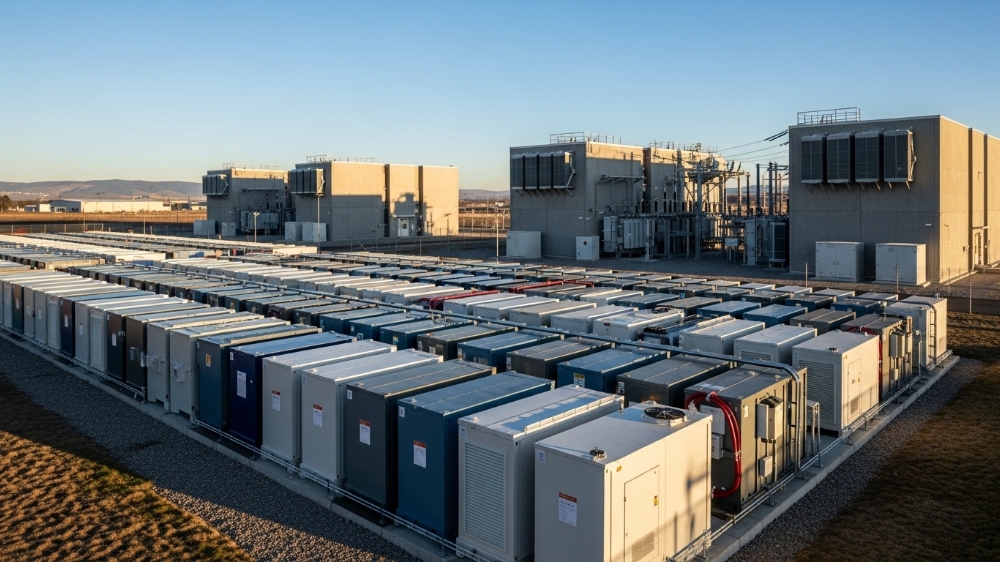
While performance is crucial, industrial-grade energy reservoirs also address environmental and risk factors. Extreme temperatures, dust, vibration, or humidity can degrade traditional storage systems. Industrial reservoirs incorporate ruggedized housings, cooling and heating controls, and vibration-dampening mounts.
Moreover, these reservoirs are part of risk management strategies. They reduce dependency on unstable grids, prevent downtime that could damage sensitive manufacturing equipment, and provide predictable energy for operations in remote or high-risk areas.
Maintenance, Monitoring, and Longevity
Unlike small-scale batteries, industrial reservoirs require systematic monitoring and periodic maintenance. Sensors embedded in the system track charge cycles, energy throughput, temperature, and load fluctuations. Predictive analytics anticipate component fatigue or environmental stressors, enabling proactive interventions before failures occur.
This not only extends operational life but also reduces unplanned downtime and maintenance costs. Facilities can schedule interventions without disrupting critical production processes, integrating energy management into routine operational planning.
Scalability and Adaptability
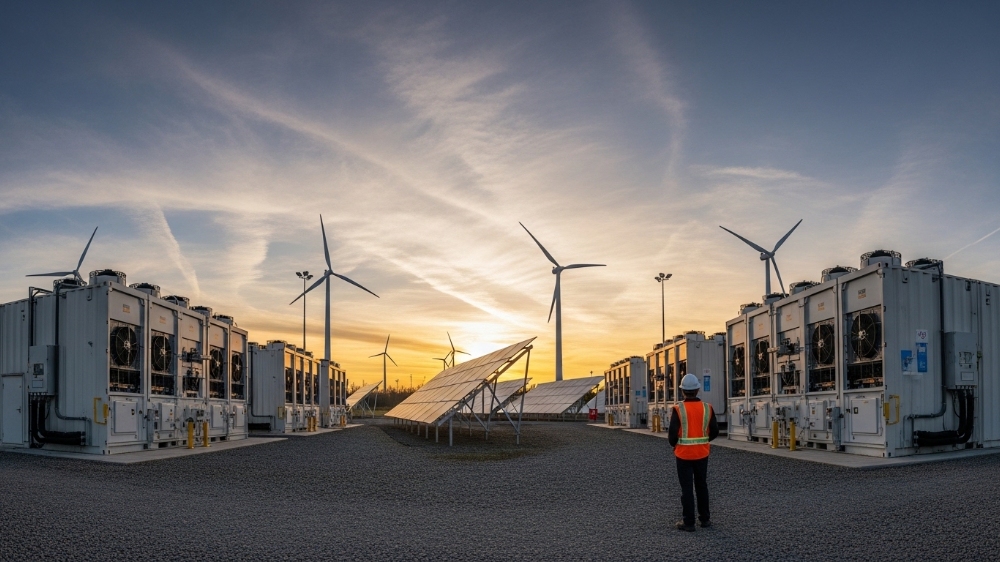
Industrial-grade reservoirs are designed for scalable deployment. Facilities can start with a few high-capacity modules and expand capacity as operational requirements grow. Modules can be arranged in centralized or distributed configurations, depending on floor layout, machinery location, and energy flow patterns.
Adaptability also extends to integration with emerging technologies. Advanced control systems can communicate with factory automation, allowing the reservoir to adjust energy delivery based on real-time equipment demand. This level of adaptability makes them suitable for modern “smart” industrial facilities.
Challenges and Limitations
No system is without limitations. Industrial reservoirs require upfront investment, careful placement, and technical expertise for installation. Space constraints, cooling requirements, and load compatibility need to be evaluated before deployment. Overestimating capacity can lead to underutilization, while underestimating may cause operational stress.
Balancing these considerations requires collaboration between facility managers, energy engineers, and operations teams. A thoughtful implementation ensures the reservoir functions as a central part of the energy strategy rather than a standalone unit.
Conclusion
Industrial-grade energy reservoirs are more than backup batteries—they are dynamic hubs for energy management, operational stability, and risk mitigation. By combining intelligent load distribution, integration with onsite generation, ruggedized construction, and predictive monitoring, these systems provide facilities with the flexibility, reliability, and control needed in modern industrial operations.
Investing in such reservoirs allows industries to manage power efficiently, maintain operational continuity, and scale energy infrastructure according to evolving operational demands.
FAQ
Q1: What makes an industrial-grade energy reservoir different from a standard battery?
A: It is engineered for heavy-duty loads, environmental exposure, intelligent energy distribution, and long-term industrial use.
Q2: Can industrial reservoirs integrate with renewable generation?
A: Yes, they can store energy from onsite solar panels, wind turbines, or cogeneration units for flexible usage.
Q3: How does predictive monitoring work?
A: Sensors and analytics track performance and environmental conditions, predicting issues before failures occur.
Q4: Are these reservoirs scalable for growing facilities?
A: Yes, modular design allows expansion in capacity and distributed deployment across factory floors.
Q5: What are the main challenges of deployment?
A: Space, cooling, load matching, and initial investment are key factors that need careful planning.

-

 OEM Residential Energy Storage Solutions: Passive vs. Active Cell Balancing
2026-09-30
-
 Smart Home Battery with BMS Communication: Cybersecurity and BMS Safety
 -
 10kWh Home Battery Backup System: Is 90% DoD Better for Daily Solar Storage?
2026-09-29
-
 Integrated Home Energy Storage System 150–430V MPPT Design
2026-09-28
-
 LiFePO₄ Residential Backup Battery SOC Accuracy in Parallel Systems
Share this:






.svg)






-899.svg)


