




Telecom Power Backup Solutions: Ensuring Continuous Network Uptime
In an increasingly connected world, communication networks are expected to operate without interruption. From mobile communications to emergency response systems, telecom infrastructure plays a critical role in modern society. However, power instability, grid failures, and remote site challenges can threaten network availability. This is where telecom power backup solutions become essential.
These advanced systems are designed not just as emergency support, but as intelligent energy frameworks that ensure continuous operation, optimize efficiency, and adapt to diverse environments. This article explores how modern telecom backup systems function, their advantages, and how they differ from conventional energy solutions.
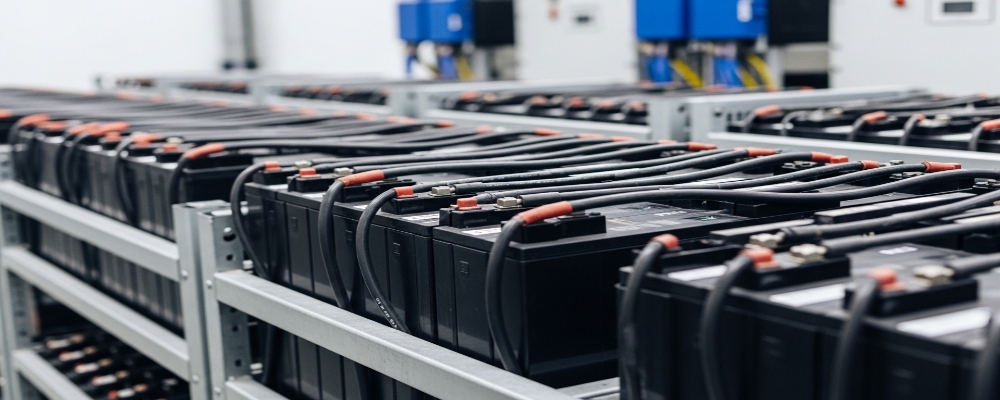
Understanding Telecom Power Backup Systems
Telecom power backup systems are engineered to provide uninterrupted energy supply to communication infrastructure such as cell towers, base transceiver stations, and data relay units. Unlike traditional backup generators, modern solutions integrate multiple energy sources and intelligent control systems.
A typical system may include:
- High-performance battery storage modules
- Renewable energy inputs such as solar panels
- Intelligent power management units
- Grid or generator integration
These components work together to ensure that even during prolonged outages or unstable grid conditions, telecom services remain operational.
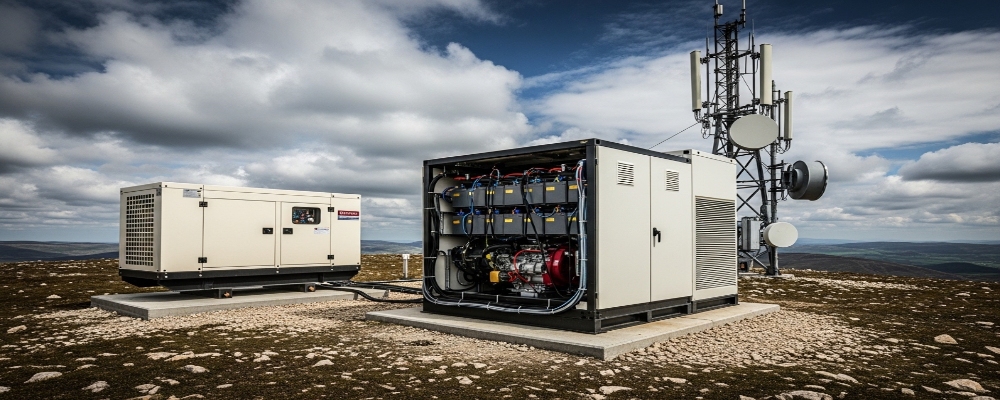
Why Reliable Backup Power Is Critical for Telecom
1. Preventing Network Downtime
Even brief interruptions in power can lead to communication breakdowns, dropped calls, and data transmission failures. For telecom operators, downtime not only impacts user experience but also results in significant financial losses.
2. Supporting Remote and Off-Grid Sites
Many telecom towers are located in remote or hard-to-access areas where grid connectivity is limited or unavailable. Backup power systems provide a dependable energy source, enabling continuous service regardless of location.
3. Enhancing Emergency Communication
During natural disasters or grid failures, communication networks become lifelines. A robust backup system ensures that emergency services, coordination efforts, and public communication remain active.
Key Features of Modern Telecom Backup Solutions
Hybrid Energy Integration
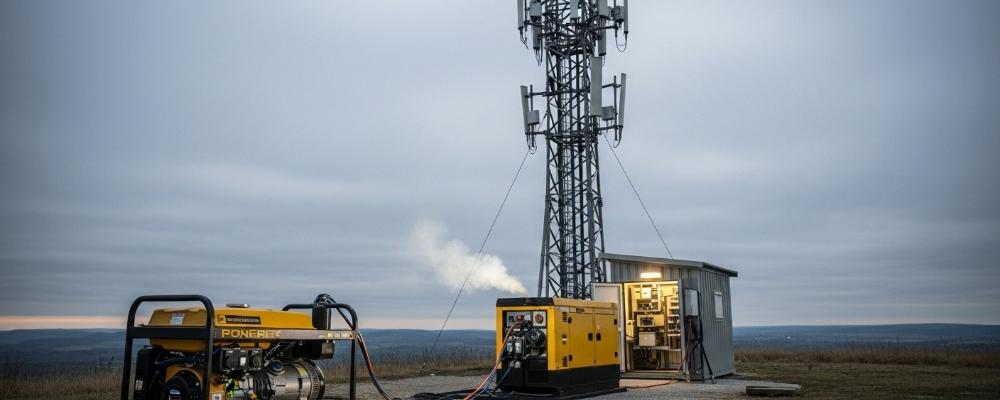
Unlike traditional systems that rely solely on diesel generators, modern solutions combine batteries with renewable energy sources. This hybrid approach reduces fuel consumption, lowers operational costs, and supports sustainability goals.
Smart Energy Management
Advanced monitoring systems use real-time data to optimize energy usage, switch between power sources, and predict maintenance needs. This improves efficiency and minimizes system failures.
Scalability and Flexibility
Telecom backup systems can be tailored to different power requirements, from small rural towers to large urban communication hubs. Modular designs allow easy expansion as network demands grow.
High Durability
Designed for harsh environments, these systems can operate in extreme temperatures, high humidity, and dusty conditions, ensuring long-term reliability.
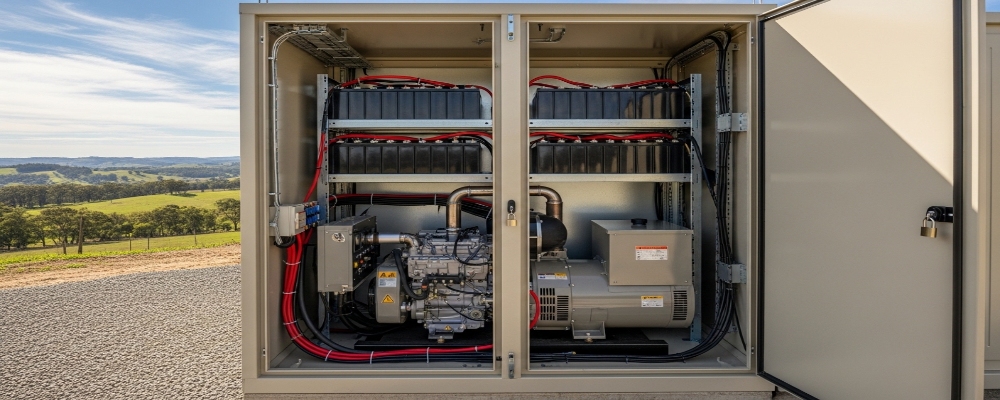
Applications Across Telecom Infrastructure
Cellular Towers
Backup systems ensure uninterrupted mobile connectivity, especially in regions with unstable electricity supply.
Data Transmission Nodes
Reliable power supports consistent data flow between network points, preventing latency or disruption.
Emergency Communication Systems
Backup solutions provide critical support during crises, maintaining communication channels for rescue and coordination.
Temporary and Mobile Networks
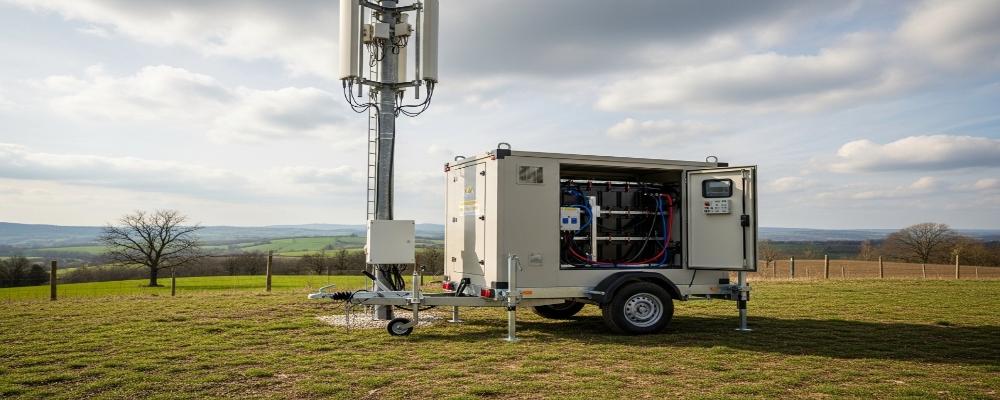
For events or temporary setups, portable backup systems deliver quick and efficient power deployment.
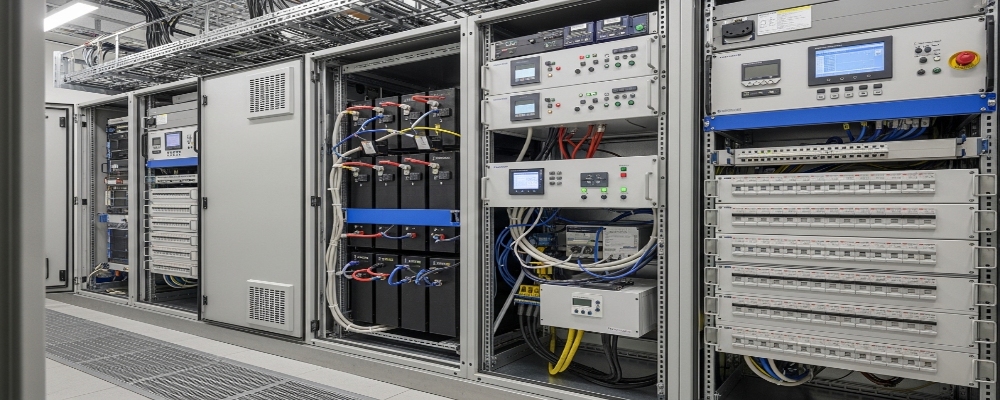
Advantages Over Conventional Backup Methods
Modern telecom power solutions differ significantly from traditional approaches:
- Reduced Operational Costs: Lower fuel consumption and maintenance needs compared to diesel generators.
- Improved Energy Efficiency: Intelligent systems optimize power usage and reduce waste.
- Environmental Benefits: Integration of renewable energy reduces carbon footprint.
- Enhanced Reliability: Multi-source systems provide redundancy, ensuring continuous operation.
Future Trends in Telecom Energy Solutions
AI-Driven Energy Optimization
Artificial intelligence is increasingly used to predict energy demand, optimize battery usage, and improve system performance.
Green Energy Adoption
Telecom operators are shifting toward solar and other renewable sources to meet sustainability targets and reduce dependence on fossil fuels.
Edge Computing Integration
As edge computing expands, telecom sites require more reliable and efficient power systems to support increased data processing.
Remote Monitoring and Automation
Cloud-based platforms allow operators to monitor and control power systems remotely, reducing the need for on-site maintenance.
Conclusion
Telecom power backup solutions are no longer optional—they are essential for ensuring continuous connectivity in a digitally driven world. By combining advanced battery systems, renewable energy integration, and intelligent management, these solutions provide a reliable, efficient, and scalable approach to powering communication networks.
For telecom operators and infrastructure providers, investing in modern backup energy systems means improved service reliability, reduced operational costs, and enhanced resilience against power disruptions. As technology continues to evolve, these systems will play an even greater role in shaping the future of global communication.
FAQ
Q1: What is a telecom power backup system?
A: It is an energy solution designed to provide uninterrupted power to communication infrastructure during outages or unstable grid conditions.
Q2: How does a hybrid telecom power system work?
A: It combines batteries, renewable energy, and grid or generator inputs, managed by intelligent systems for optimal performance.
Q3: Why are backup systems important for remote telecom sites?
A: Remote sites often lack stable grid access, so backup systems ensure continuous operation and connectivity.
Q4: Can telecom backup systems reduce operational costs?
A: Yes, especially hybrid systems that reduce fuel usage and maintenance compared to traditional generators.
Q5: Are modern telecom power systems environmentally friendly?
A: Many systems integrate renewable energy, reducing emissions and supporting sustainable operations.

-

 OEM ODM Home Energy Storage Manufacturer for Stackable Home Battery Solutions
2026-08-20
-
 High-Rate Discharge in Data Center UPS Battery Backup Systems Explained
 -
 LiFePO₄ RV Battery 48V System Design: Battery, Inverter, Solar and DC Load Integration
2026-08-19
-
 51.2V LiFePO₄ Server Rack Batteries: 100Ah Capacity, Energy Output and Runtime
2026-08-18
-
 51.2V 100Ah LiFePO₄ Battery for Inverter in Solar Energy Storage Systems
2026-08-17
Share this:






.svg)






-899.svg)


