




Emergency Energy Systems for Telecom Infrastructure: A Resilient Power Solution
Modern communication networks are the backbone of digital society. From voice communication to real-time data exchange, telecom infrastructure must remain operational at all times. However, power interruptions caused by grid failures, natural disasters, or unstable electricity supply can severely impact network performance. To address these challenges, emergency energy systems for telecom infrastructure have become a vital solution.
Unlike traditional backup approaches, these systems are designed as integrated energy frameworks that ensure seamless operation, improve efficiency, and adapt to diverse environmental conditions. This article provides a comprehensive overview of how these systems work, their advantages, and their role in building resilient communication networks.
What Are Emergency Energy Systems for Telecom Infrastructure?
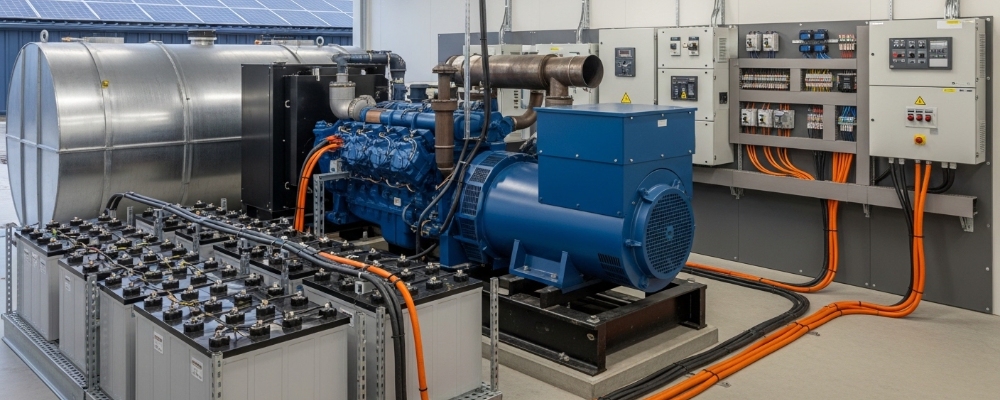
Emergency energy systems are specialized solutions developed to maintain uninterrupted power supply for communication facilities during unexpected outages. These systems go beyond simple backup functionality by incorporating advanced technologies that enable continuous energy availability and intelligent management.
A typical configuration may include:
- Advanced energy storage units
- Renewable energy integration (such as solar input)
- Intelligent control and monitoring systems
- Multi-source energy switching capabilities
By combining these elements, the system ensures that telecom operations continue without disruption, even under extreme conditions.
The Importance of Energy Continuity in Telecom Networks
Maintaining Service Availability
Continuous operation is essential for telecom networks. Even short disruptions can lead to communication failures, affecting businesses, individuals, and emergency services. Energy continuity systems ensure uninterrupted performance regardless of external power conditions.
Supporting Critical Infrastructure
Telecom networks support essential services such as healthcare, transportation, and security systems. Reliable energy supply is crucial for maintaining these interconnected systems.
Ensuring Disaster Preparedness
During natural disasters, communication networks are critical for coordination and response. Emergency energy systems provide the resilience needed to keep networks active when they are needed most.
Core Capabilities of Modern Energy Continuity Solutions
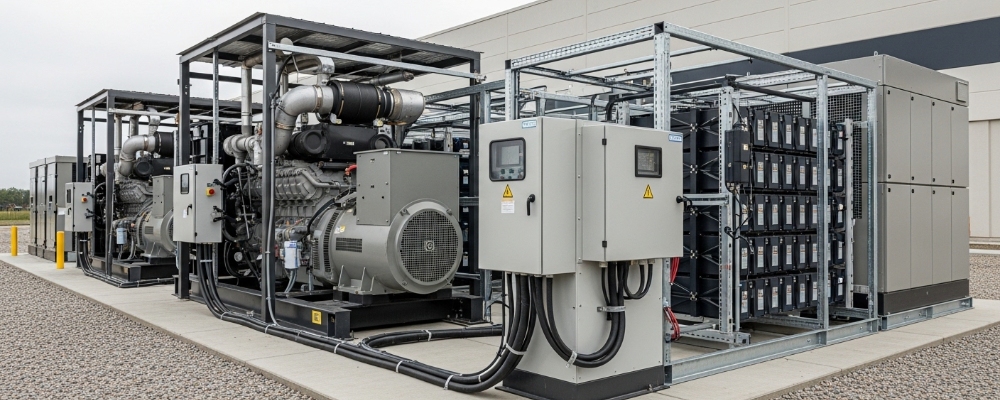
Multi-Source Energy Integration
Modern systems integrate various energy sources, including stored energy, renewable inputs, and external supply lines. This diversification enhances reliability and reduces dependence on a single energy source.
Adaptive Energy Management
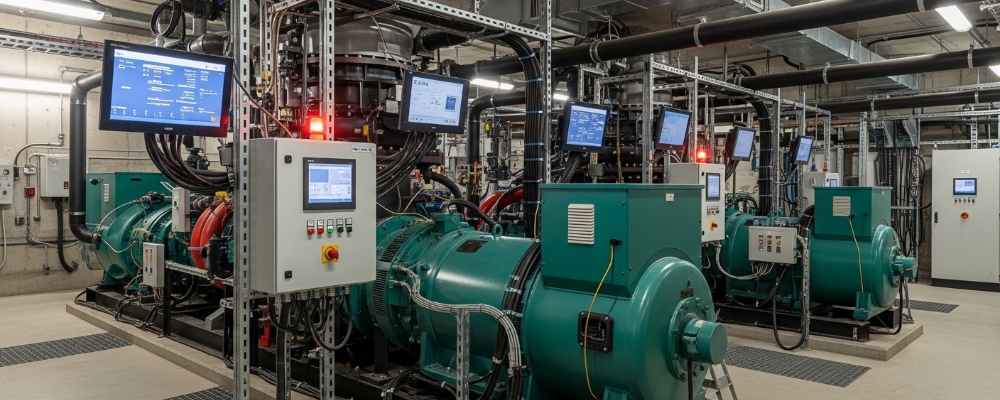
Intelligent systems monitor energy usage in real time, automatically adjusting power distribution and switching between sources to maintain optimal performance.
Rapid Response Performance
Emergency energy systems are designed to respond instantly to power disruptions, ensuring there is no delay in maintaining network operations.
Modular and Scalable Design
These solutions can be customized to fit different infrastructure sizes, from small communication nodes to large network hubs. Modular architecture allows easy upgrades and expansion.
Applications Across Communication Infrastructure
Wireless Communication Sites
Energy continuity systems ensure stable operation of wireless communication equipment, even in areas with unreliable electricity supply.
Data Relay and Transmission Facilities
Reliable power ensures uninterrupted data flow between network nodes, reducing latency and preventing service interruptions.
Remote Communication Installations
For off-grid or remote locations, these systems provide a dependable energy source, enabling consistent network coverage.
Temporary Deployment Scenarios
Portable energy systems are ideal for temporary setups such as events, emergency response units, or construction sites.
Advantages of Advanced Emergency Energy Systems
- Operational Reliability: Ensures continuous network performance during outages.
- Energy Efficiency: Optimizes power usage through intelligent management systems.
- Reduced Maintenance: Modern systems require less maintenance compared to traditional solutions.
- Sustainability: Integration with renewable energy reduces environmental impact.
- Flexibility: Suitable for diverse environments and infrastructure scales.
Emerging Trends in Telecom Energy Resilience
AI-Based Energy Optimization
Artificial intelligence is increasingly used to predict energy demand and optimize system performance, reducing downtime and improving efficiency.
Decentralized Energy Systems
Decentralized solutions allow telecom sites to operate independently from the main grid, improving resilience and reliability.
Green Energy Integration
The adoption of renewable energy sources is growing, helping telecom operators meet sustainability goals and reduce operational costs.
Remote Monitoring and Automation
Cloud-based platforms enable real-time monitoring and remote control, reducing the need for on-site intervention and improving operational efficiency.
Conclusion
Emergency energy systems for telecom infrastructure are essential for ensuring continuous connectivity in a world that depends heavily on communication networks. By integrating advanced storage technologies, intelligent management systems, and multiple energy sources, these solutions provide a reliable and efficient approach to maintaining network operations under any conditions.
As telecom networks continue to expand and evolve, the demand for resilient and adaptable energy solutions will only grow. Investing in modern emergency energy systems is not just about preventing downtime—it is about enabling a stable, sustainable, and future-ready communication ecosystem.
FAQ
Q1: What is an emergency energy system for telecom infrastructure?
A: It is a solution designed to provide uninterrupted power to communication facilities during outages or unstable power conditions.
Q2: How do these systems ensure continuous operation?
A: They use multiple energy sources, intelligent control systems, and fast switching mechanisms to maintain power supply.
Q3: Are these systems suitable for remote locations?
A: Yes, they are ideal for off-grid or remote installations where reliable electricity is not available.
Q4: Do emergency energy systems support renewable energy?
A: Many modern systems integrate renewable sources such as solar energy to improve sustainability and efficiency.
Q5: What are the key benefits of using these systems?
A: Benefits include improved reliability, energy efficiency, reduced maintenance, scalability, and environmental sustainability.

-

 OEM Residential Energy Storage Solutions: Passive vs. Active Cell Balancing
2026-09-30
-
 Smart Home Battery with BMS Communication: Cybersecurity and BMS Safety
 -
 10kWh Home Battery Backup System: Is 90% DoD Better for Daily Solar Storage?
2026-09-29
-
 Integrated Home Energy Storage System 150–430V MPPT Design
2026-09-28
-
 LiFePO₄ Residential Backup Battery SOC Accuracy in Parallel Systems
Share this:






.svg)






-899.svg)


