




Power Storage Technology: The Key to Future Energy Solutions
In today’s fast-paced world, energy demand continues to rise, and the need for stable, reliable, and efficient power has never been greater. Especially with the rapid growth of renewable energy, smart grids, and electric mobility, power storage technology has become a central element in energy management. This article explores the types, applications, trends, and challenges of power storage technology, providing a comprehensive understanding of this cutting-edge field.
What Is Power Storage Technology?
Power storage technology refers to systems or devices that store electrical energy for later use. Unlike traditional energy consumption, which relies on immediate use, power storage emphasizes efficient energy utilization, repeated cycling, and reliability. Its primary goals include balancing energy supply and demand, enhancing grid stability, and providing backup power in emergencies.
Currently, mainstream power storage technologies include:
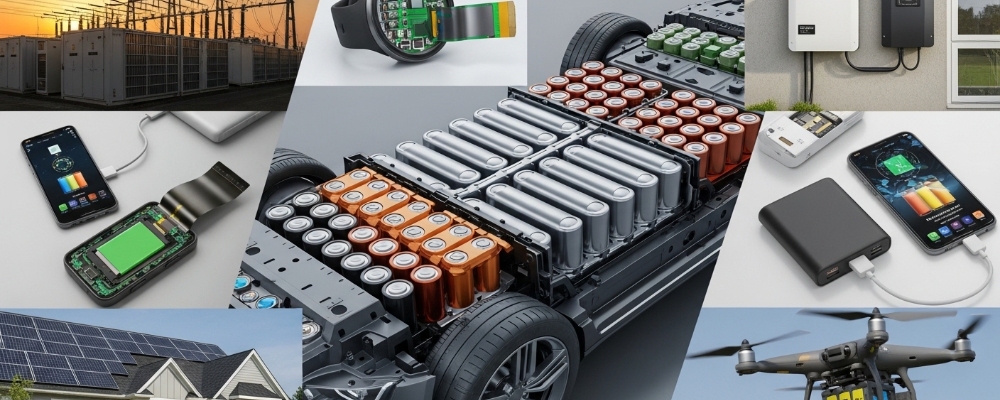
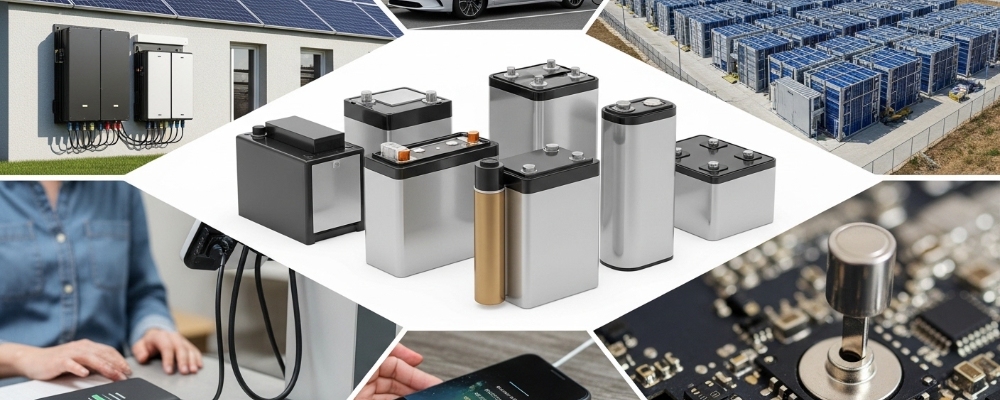
- Electrochemical Storage: Represented by batteries such as lithium-ion, lead-acid, and sodium-sulfur.
- Mechanical Storage: Uses physical movement to store energy, such as pumped hydro storage, flywheels, and compressed air energy storage.
- Electromagnetic Storage: Employs capacitors or superconducting magnetic energy storage devices for rapid response to load changes.
- Thermal Storage: Converts electrical energy into heat for storage, commonly used in industrial or residential heating systems.
Each technology has its unique advantages and ideal use cases, making the selection of a storage solution dependent on demand, cost, and environmental factors.
Key Applications of Power Storage Technology
1. Integrating Renewable Energy
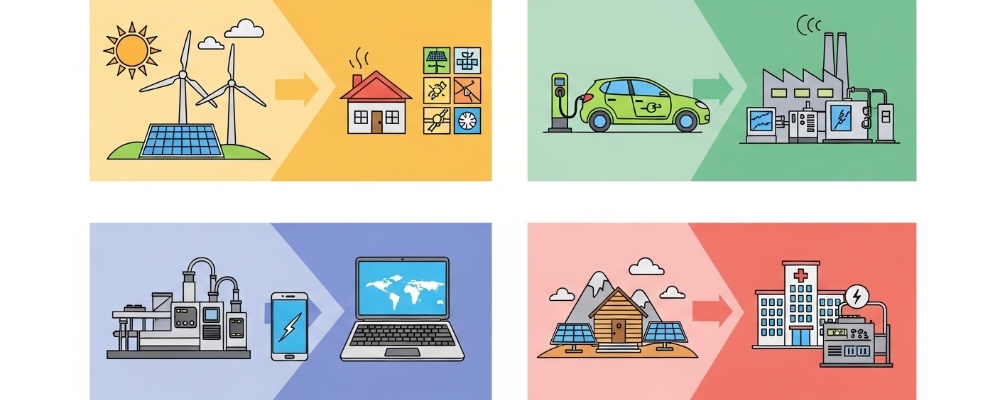
Wind and solar energy are inherently variable and weather-dependent. Power storage systems store excess energy during peak production and release it when generation drops, ensuring a stable power supply. For example, a solar PV system paired with lithium-ion batteries can provide electricity to homes or businesses at night or on cloudy days.
2. Smart Grids and Microgrids
Smart grids aim for efficient electricity distribution and dynamic load balancing. Energy storage systems can regulate peak and off-peak demand, provide load leveling, and serve as emergency backup power. Microgrids rely on storage to achieve partial energy self-sufficiency, increasing reliability and reducing dependence on the main grid. This is especially beneficial for remote areas or renewable energy campuses.
3. Electric Transportation
Electric vehicles (EVs), electric bikes, scooters, and buses rely heavily on advanced batteries. Modern power storage technology enhances vehicle range, optimizes charging efficiency, and manages battery lifespan, making sustainable mobility achievable.
4. Residential and Commercial Backup Power
In areas with frequent power outages, storage systems provide a reliable energy backup. For instance, residential solar-plus-storage systems ensure continuous power at night or during outages, reduce electricity bills, and provide both economic and safety benefits.
Advantages of Power Storage Technology
- Improved Energy Efficiency: Stores electricity during low demand and releases it during high demand, reducing waste.
- Enhanced Grid Stability: Helps prevent overloads and blackouts by responding to sudden load changes.
- Supports Renewable Energy Growth: Solves the intermittency problem of wind and solar power, improving utilization rates.
- Versatile Applications: Applicable to residential, commercial, industrial, and transportation sectors, adapting to various power and capacity needs.
Trends in Power Storage Technology
With technological advancements and growing market demand, power storage technology is evolving in several directions:
- High Energy Density and Longer Lifespan
Lithium-ion technology continues to improve, while emerging batteries like solid-state and sodium-ion are moving toward commercialization, addressing limitations in energy density and longevity. - Smart Management Systems
IoT and AI-enabled storage systems allow intelligent scheduling, fault prediction, and remote monitoring, increasing system efficiency and safety. - Cost Reduction and Large-Scale Deployment
Technology maturity and production scaling are lowering costs, making storage solutions more accessible for homes and businesses. - Hybrid Technologies
Future storage systems may combine electrochemical, mechanical, electromagnetic, and thermal technologies for optimal energy conversion and management.
Challenges Facing Power Storage Technology
Despite its promising outlook, power storage technology faces several challenges:
- Cost and Economics: High-performance storage devices require significant upfront investment, requiring careful cost-benefit analysis.
- Safety: Battery storage carries risks such as overheating or short circuits, necessitating robust protection and monitoring systems.
- Standardization and Compatibility: Differences in interfaces, communication protocols, and management systems among manufacturers affect interoperability.
- Environmental Impact: Battery production and recycling consume resources and can cause pollution, highlighting the need for sustainable recycling technologies.
Conclusion
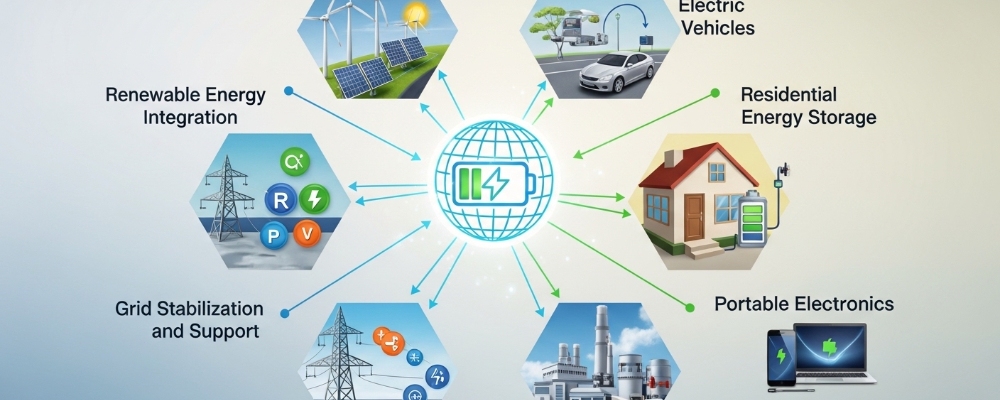
Power storage technology is a cornerstone of the future energy ecosystem. With technological innovation and supportive policies, storage systems will play a critical role in renewable energy integration, smart grid development, electric transportation, and residential and commercial energy reliability. For businesses, research institutions, and individual users, understanding and leveraging power storage technology offers long-term value and sustainability.
FAQ
Q1: What are the main types of power storage systems?
A: Main types include electrochemical storage (batteries), mechanical storage (pumped hydro, flywheels), electromagnetic storage (supercapacitors), and thermal storage.
Q2: What are the benefits of residential energy storage?
A: Provides backup power, lowers electricity bills, stabilizes solar systems, and improves energy efficiency.
Q3: How do EV batteries differ from energy storage batteries?
A: EV batteries prioritize high power density and lifespan, while storage batteries focus on capacity, cycle life, and cost-effectiveness.
Q4: What is the future direction of power storage technology?
A: Higher energy density batteries, smart management systems, cost reduction, large-scale deployment, and hybrid technologies.
Q5: Are power storage systems safe?
A: Modern storage systems have monitoring and protection mechanisms but must still manage risks like overheating and short circuits.

-

 OEM Residential Energy Storage Solutions: Passive vs. Active Cell Balancing
2026-09-30
-
 Smart Home Battery with BMS Communication: Cybersecurity and BMS Safety
 -
 10kWh Home Battery Backup System: Is 90% DoD Better for Daily Solar Storage?
2026-09-29
-
 Integrated Home Energy Storage System 150–430V MPPT Design
2026-09-28
-
 LiFePO₄ Residential Backup Battery SOC Accuracy in Parallel Systems
Share this:





.svg)






-899.svg)


