




Integrated Home ESS: When Integration Really Wins
An integrated home energy storage system is best when you want a cleaner installation, smaller footprint, and fewer inverter-battery compatibility decisions. It is not always the most flexible choice. A modular component system is often better if you want easier part replacement, larger future expansion, or a custom backup design. Choose by home layout, installer plan, service needs, and long-term capacity goals.
A neat all-in-one battery cabinet can look like the obvious choice. Fewer boxes, cleaner wiring, and one product family all sound easier. But a modular rack can be smarter when your home needs future expansion, custom backup circuits, or easier part-level service. This guide compares both paths so you can choose the system that fits your home, not the system that only looks better in a brochure.
What is an integrated home energy storage system?
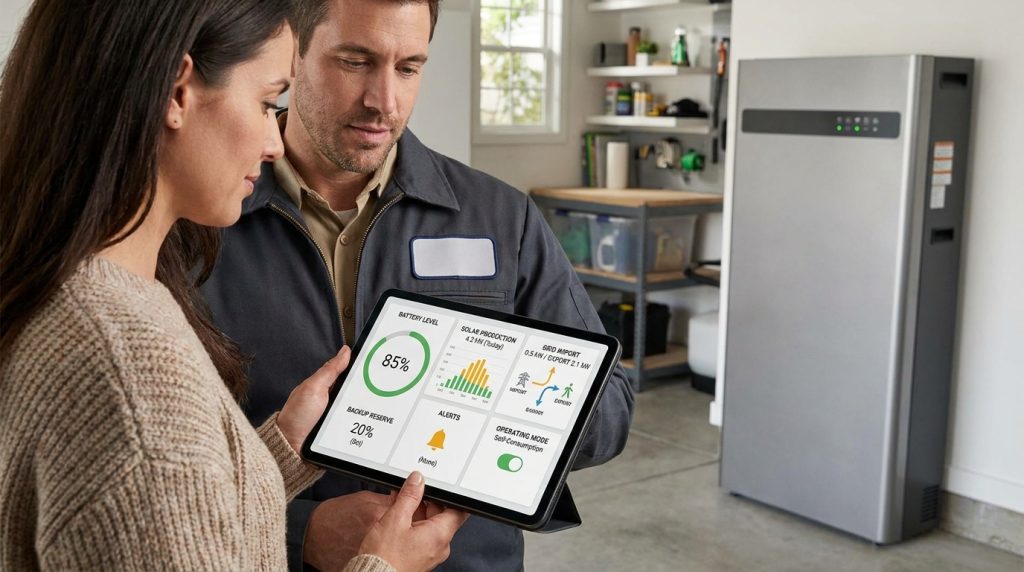
An integrated home energy storage system combines the battery, inverter, control electronics, monitoring, and safety functions into a packaged or factory-matched setup. It is usually easier to install, but it may reduce future component flexibility.
In simple terms, an integrated ESS places the main storage parts into one cabinet, one stack, or one matched product family. That usually includes the battery modules, hybrid inverter or power conversion system, Battery Management System, Energy Management System, monitoring app, protection devices, and cabinet structure.
This is different from a custom component system, where the installer matches a separate inverter, battery rack, enclosure, control box, and monitoring setup. If you need a basic component map before comparing choices, read this ESS system anatomy.
Safety also depends on the full system, not only the battery cell. UL 9540 covers energy storage systems as unitary equipment or matched assemblies, which is why buyers should ask about system-level certification.
Is integrated better than a modular component system?
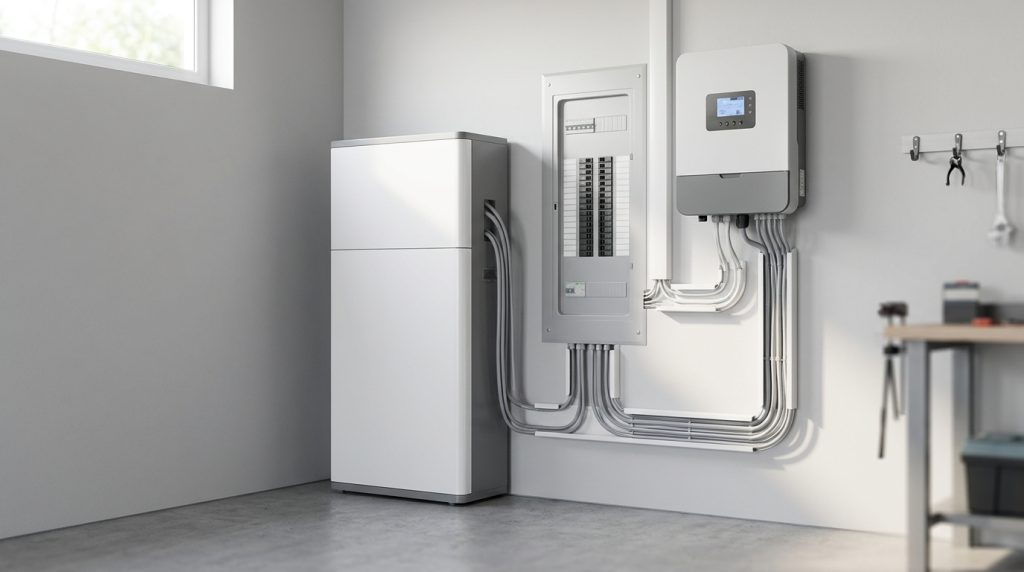
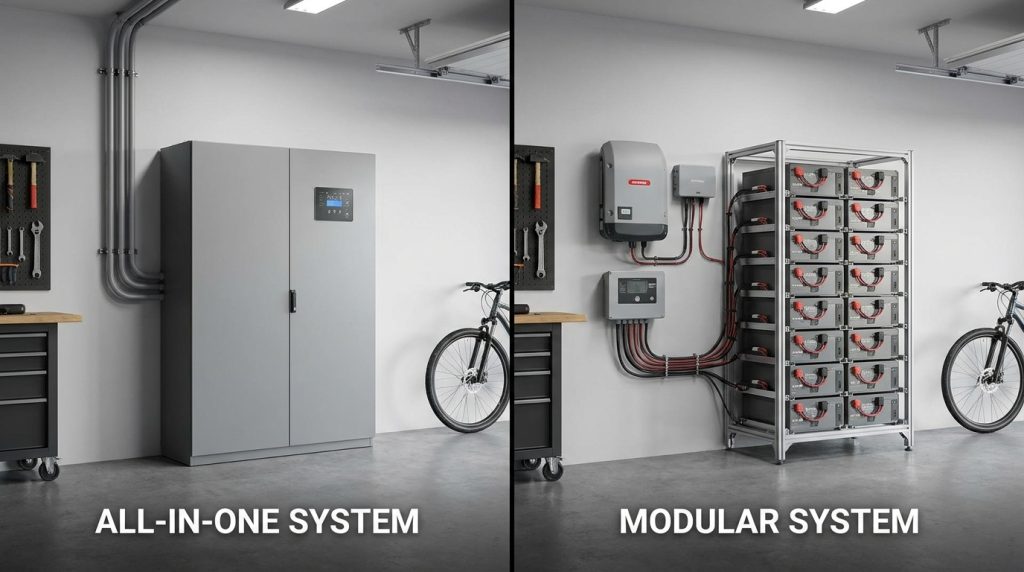
Integrated is better when you want faster installation, a cleaner footprint, and fewer compatibility decisions. A modular component system is better when you expect future expansion, part-level servicing, or custom solar and backup design.
The choice is a tradeoff. Integrated systems reduce the number of decisions your installer has to make on site. Modular systems give more room to choose separate parts, change capacity later, and service one part without replacing a full packaged cabinet.
| Decision factor | Integrated cabinet | Modular component system | What to ask installer |
|---|---|---|---|
| Installation labor | Usually simpler | Usually more field work | Which option takes fewer site hours? |
| Footprint | Cleaner and compact | More wall or floor planning | Where will each part be mounted? |
| Inverter choice | Often fixed or limited | More flexible | Can I choose inverter size separately? |
| Battery expansion | Product-family dependent | Often easier to phase | How many kWh can I add later? |
| Service access | Cleaner package, less part choice | Easier part-level access | What happens if one component fails? |
| Warranty path | One ecosystem can simplify support | Multiple warranty channels | Who handles service claims? |
| Monitoring | Usually one app | May need integration work | Is monitoring included and clear? |
| Backup design | Good for standard use cases | Better for custom loads | Which loads can stay online? |
Integrated is not automatically premium. It is premium only when the cabinet, inverter, BMS, software, warranty, and installer workflow work together cleanly. For a deeper all-in-one background, use the all-in-one ESS guide.
Where does integration really save labor and space?
Integration saves labor mainly by reducing separate component matching, field wiring, enclosure planning, and commissioning steps. It also saves space when the battery and inverter are packaged into a single cabinet or stackable unit.
The biggest win is practical. A packaged cabinet can reduce the number of separate boxes on the wall and lower the chance of mismatched inverter-battery communication. That helps in garages, utility rooms, townhouses, and homes where the installer has limited space to build a clean equipment area.
This does not mean the job is simple. High-voltage wiring, backup circuits, permits, shutdown access, and local installation rules still matter. Use a storage setup guide when planning the site layout and installer checklist.
Labor savings to ask your installer about
Ask whether the integrated option reduces wiring between the inverter, battery, gateway, and monitoring hardware. Also ask whether commissioning happens through one app or several tools. A cleaner product package helps most when the installer already knows that brand and can document the setup properly.
Space savings to verify before purchase
Check cabinet width, depth, service clearance, ventilation, noise, and cable entry points. A compact cabinet is only useful if it fits the legal and practical installation space. A small garage retrofit, for example, may favor an integrated cabinet for essential loads like WiFi, lights, refrigerator, and outlets.
What do you give up with an integrated cabinet?
The main tradeoff is flexibility. An integrated cabinet can be cleaner and faster to install, but a modular system usually gives you more control over inverter choice, battery expansion, servicing, and future upgrades.
A neat cabinet can hide real limits. Some systems only expand inside the same product family. Some make part-level replacement harder. Some give less freedom to change inverter size, battery brand, or control hardware later.
| If this matters most | Integrated cabinet may work when | Modular system may be safer when |
|---|---|---|
| Future battery expansion | The cabinet supports matching modules | You expect major capacity growth |
| Serviceability | Local support is strong | You want part-level replacement |
| Inverter flexibility | The included inverter fits your load plan | You need custom power output |
| Existing solar retrofit | The system supports your current setup | You want to keep the existing inverter |
| Long warranty support | One vendor handles the package | You prefer replaceable standard parts |
A modular rack is not automatically complicated. It becomes the better choice when the homeowner values long-term expansion and part-level servicing more than a minimal footprint. For example, a serviceability-first buyer who lives far from the installer may prefer common battery modules and an inverter that many local technicians can support.
Which system fits your buyer profile?
The right system depends on your home, future plans, and service priorities. Use the decision tree below before you compare cabinet sizes or brand names.
Five buyer profiles and recommended paths
| Buyer profile | Typical situation | Recommended path | Why it fits |
|---|---|---|---|
| Small garage retrofit | Limited wall space, essential backup only | Integrated cabinet | Cleaner footprint and faster setup |
| Solar owner with existing inverter | Already has PV and wants batteries | Compatible retrofit or modular AC-coupled route | Avoids replacing good equipment too early |
| Future EV household | EV charging or heat pump planned | Expandable modular or expandable integrated | Future loads need room to grow |
| Serviceability-first buyer | Lives far from installer support | Modular component system | Easier part-level replacement |
| Compact townhouse owner | Wants clean app monitoring and low visual clutter | Integrated all-in-one if location rules allow | Fewer boxes and cleaner equipment area |
For solar-first homes, the battery choice should fit the solar design, not fight it. Solar PV storage can help you think through self-consumption, daytime charging, and nighttime use.
A simple decision path works well: choose integrated if space, speed, and simplicity matter most. Choose modular if future expansion, repair access, or custom backup loads matter more. Pause the purchase if the installer cannot explain warranty, service, and expansion limits in plain language.
How should solar, backup loads, and smart controls affect the choice?
Choose the architecture around the job the battery must do. Solar self-consumption, backup power, dynamic tariffs, and smart-home automation each place different demands on inverter capacity, EMS software, monitoring, and expansion.
A battery for solar self-consumption does a different job from a battery for whole-home backup. The U.S. Department of Energy explains that storage helps solar energy serve demand when sunlight is not available, which is why inverter coordination matters in solar-plus-storage homes.
Backup planning also changes the decision. A small essential-load system may work well as an integrated cabinet. A home planning EV charging, heat pumps, or larger backup panels may need a modular or highly expandable design.
| Use case | What matters most | Architecture note |
|---|---|---|
| Solar self-consumption | PV-inverter-battery coordination | Integrated or matched hybrid setup can help |
| Essential backup | Critical-load planning | Integrated can work well |
| Whole-home backup | Inverter output and load control | Modular may offer more design freedom |
| Dynamic tariff shifting | EMS and app control | Software matters as much as capacity |
| Smart-home automation | Monitoring and control quality | Check app support before buying |
Smart controls should be checked before purchase, not after installation. If app control, alerts, energy reports, and automation matter to you, review the smart storage app path before choosing the cabinet.
What safety and certification checks matter before buying?
Safety depends on the whole installed system, not just the battery chemistry. Ask whether the ESS is certified as a matched system, whether the installer follows local code, and how shutdown, ventilation, spacing, and service access are handled.
LiFePO4 battery chemistry is popular for home storage, but chemistry alone does not make a system safe. The cabinet, inverter, BMS, thermal management, wiring, shutdown method, and installation location all matter. UL Solutions notes that ESS testing and certification can include several storage technologies and connected component standards.
Use this checklist before you approve a quote:
- Does the system have UL 9540 certification as a matched ESS?
- Has fire-safety testing, such as UL 9540A, been addressed where required?
- Does the installation plan consider NFPA 855 and local electrical code?
- Are ventilation, spacing, access, and shutdown clearly documented?
- Does the warranty cover the full cabinet or separate parts?
- Who handles service if the inverter, BMS, app, or battery module fails?
- Can the installer show the maximum supported expansion capacity?
If U.S. incentives are part of the buying decision, check the latest eligibility rules. The IRS states that battery storage technology must meet the minimum capacity requirement for the Residential Clean Energy Credit, so confirm the final installed system before assuming any credit applies.
Final recommendation: when integration really wins
Integration really wins when the homeowner values a compact footprint, faster installation, and a factory-matched system more than part-level customization. Component systems win when long-term serviceability and expansion matter more.
Choose the integrated path when your home needs a clean retrofit, your backup plan is clear, and your installer can support the product family for the full warranty period. Choose the modular path when you expect larger loads, future EV charging, major solar changes, or easier part replacement.
Do not buy the cabinet that looks neatest in the brochure. Buy the system your installer can service, document, expand, and support. If you still need the broader planning steps, use the home energy storage guide before finalizing your integrated home energy storage system choice.
Frequently Asked Questions
What is an integrated home energy storage system?
An integrated home energy storage system combines the battery, inverter, controls, monitoring, and safety functions into one packaged or factory-matched setup. It is designed to reduce compatibility work and simplify installation.
Is an integrated ESS the same as an all-in-one ESS?
Usually, yes, but not always. All-in-one often means one cabinet, and integrated can also mean matched battery, inverter, EMS, and controls sold as a tested system.
Can I add more batteries later?
You can add more batteries only if the system supports expansion within its product family and installation limits. Modular systems usually give more flexibility, and integrated cabinets may require matching expansion modules.
How much space does an integrated system require?
Integrated systems usually need less wall or floor space than separate battery, inverter, gateway, and wiring layouts. Exact space depends on capacity, cabinet design, ventilation, and local installation rules.
Can an integrated home ESS power the whole house?
It can power the whole house only if the battery capacity, inverter output, transfer equipment, and load plan are sized for whole-home backup. Smaller systems should focus on essential circuits.
Is professional installation necessary?
Yes, for most fixed home ESS installations, professional installation is the safer path. High-voltage wiring, inverter setup, utility connection, permits, shutdown rules, and warranty requirements usually need a qualified installer.
Are integrated home energy storage systems safe?
Certified integrated systems can be safe when installed correctly and used within their rated limits. Buyers should verify system-level certification, battery protection, ventilation, shutdown access, and installer compliance with local codes.

-

 OEM Residential Energy Storage Solutions: Passive vs. Active Cell Balancing
2026-09-30
-
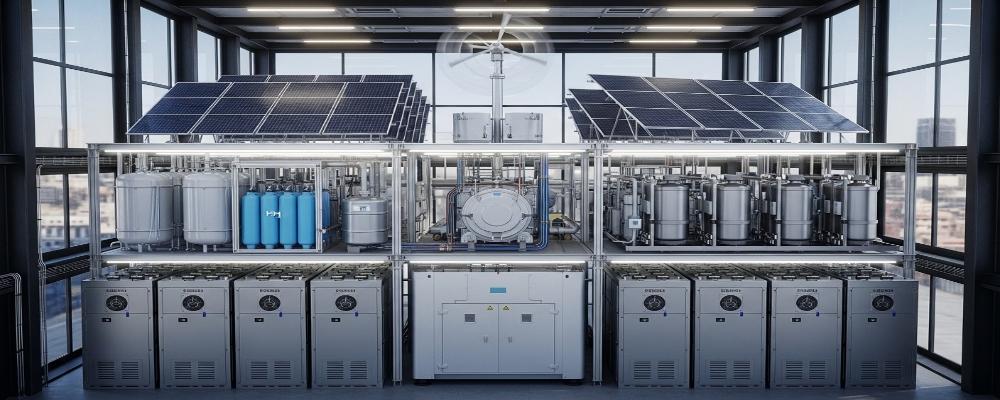 Smart Home Battery with BMS Communication: Cybersecurity and BMS Safety
 -
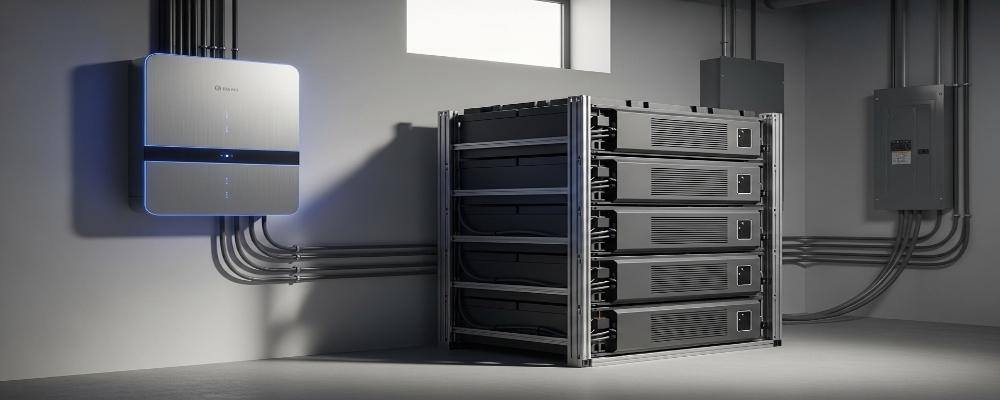 10kWh Home Battery Backup System: Is 90% DoD Better for Daily Solar Storage?
2026-09-29
-
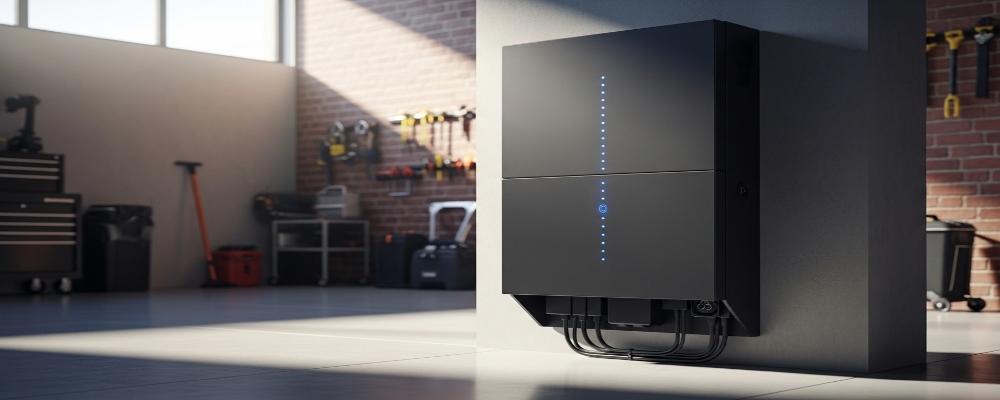 Integrated Home Energy Storage System 150–430V MPPT Design
2026-09-28
-
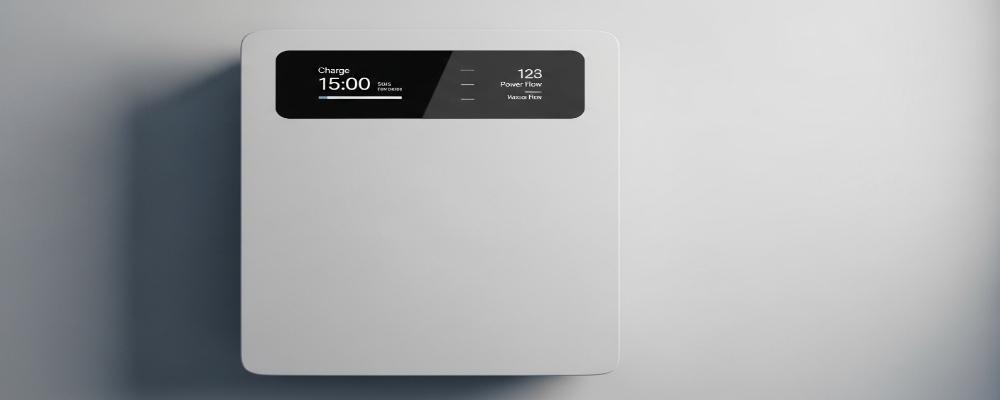 LiFePO₄ Residential Backup Battery SOC Accuracy in Parallel Systems
Share this:





.svg)






-899.svg)


