




BESS Container HVAC System: Temperature, Humidity and Reliability
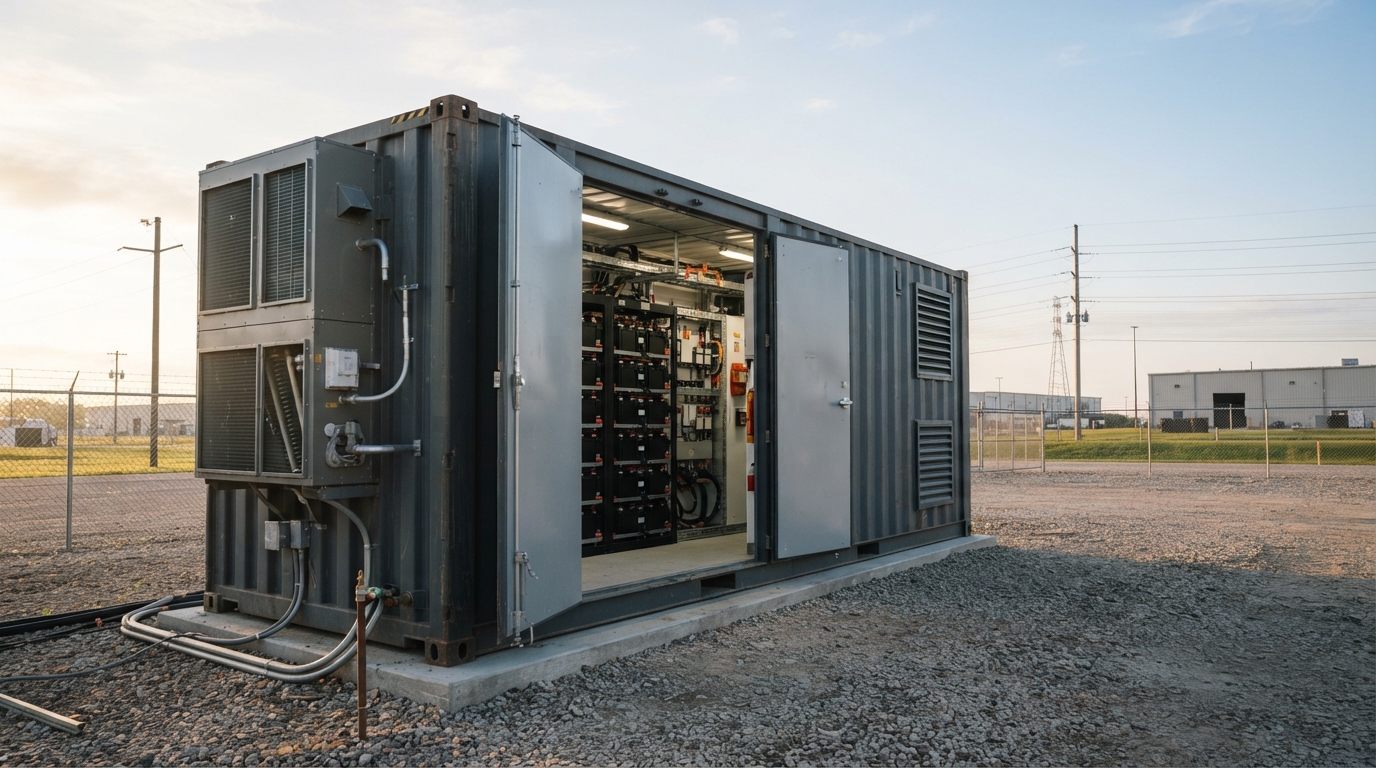
A BESS container HVAC system controls the temperature inside a containerized battery energy-storage system and, where the design requires it, also manages humidity and air quality. It is not the same as battery-level thermal management, and it is not a fire-suppression system. It is the enclosure-level environmental-control layer that keeps battery racks, power-conversion equipment, and control electronics within their intended operating conditions.
This guide explains what a BESS container HVAC system includes, why temperature and humidity control affect reliability, how HVAC works alongside the BMS, EMS, PCS, and fire-safety systems, and what to check when you compare suppliers.
What Is a BESS Container HVAC System?
A BESS container HVAC system is the equipment package that conditions the air inside the storage container. Its main jobs are to remove heat produced by the battery and power equipment, supply heating when ambient temperatures are low, and control humidity to reduce condensation and corrosion risk.
Typical components include:
- indoor and outdoor HVAC units;
- airflow distribution within the container;
- temperature and humidity sensors;
- a local controller with alarms;
- electrical connections to the container’s auxiliary power supply;
- interlocks with the BMS, EMS, and fire control system where required.
Container-level HVAC is different from battery-pack thermal management. HVAC conditions the shared space around the racks. Battery thermal management may use liquid cooling plates or pack-level cooling to remove heat closer to the cells. A liquid-cooled BESS still needs HVAC for auxiliary equipment, control cabinets, and humidity control, though the cooling load on the HVAC system is smaller.
For a broader system-level view of containerized battery storage, see our guide to Battery Energy Storage Container: Smart Energy Control for Real-Time Grid Response.
Why Temperature Control Matters for BESS Reliability
Battery cells generate heat during charge and discharge. How much heat depends on the cell chemistry, internal resistance, current, and operating profile. If that heat is not removed, cell temperature can rise above the manufacturer’s recommended operating range, accelerating degradation and increasing safety risk.
Temperature control matters for three reasons:
- Cell degradation: sustained high temperatures shorten cycle life.
- Temperature uniformity: a container can have an acceptable average temperature while individual racks still run hot or cold. Uneven airflow creates hot spots that age faster than the rest of the system.
- BMS limits: the battery-management system uses temperature readings to protect the cells. If the environment pushes cells outside limits, the BMS may derate or stop operation.
The correct temperature range depends on the cell manufacturer, battery chemistry, enclosure design, and project climate. There is no universal setpoint that works for every BESS. What matters is that the HVAC system is designed around the battery’s actual requirements and that the BMS sensors confirm those conditions are being maintained.
Heat Sources Inside the Container
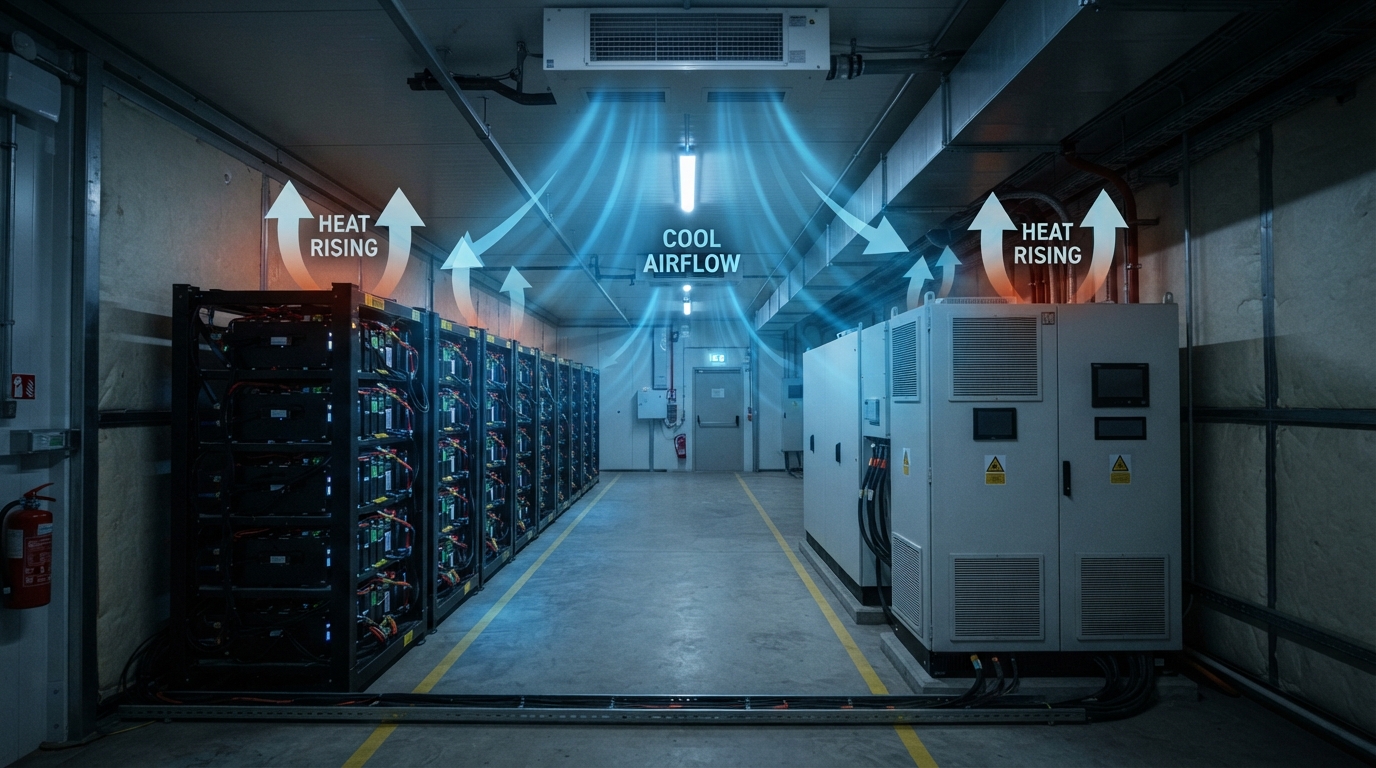
The HVAC system must remove more than just battery heat. The total heat load includes:
| Heat source | When it contributes | Why it matters for HVAC sizing |
|---|---|---|
| Battery racks | During charge and discharge | Dominant source in high-power or high-cycle applications |
| PCS / inverter | During conversion at higher loads | Adds heat to the container if installed inside the enclosure |
| Control cabinets and auxiliary electronics | Continuously | Smaller but constant source of heat |
| Solar radiation on the enclosure | During daytime and in sunny climates | Can raise internal temperature significantly |
| Thermal losses through the container envelope | Continuously | Adds heating or cooling load depending on climate |
If the HVAC design considers only battery heat, it will undersize the system in hot climates or in designs where the PCS is inside the same container.
Humidity, Condensation and Enclosure Protection
Temperature control is only half of the job. Humidity control is equally important, especially in coastal, tropical, and cold climates.
The key concept is not just relative humidity but dew point. Condensation forms when a surface is colder than the dew point of the surrounding air. A container can show a moderate relative-humidity reading while cold spots on the enclosure, cable trays, or control cabinets still collect moisture.
Condensation can cause:
- corrosion on busbars, terminals, and connectors;
- insulation breakdown in electrical components;
- short circuits and nuisance alarms;
- failure of sensors, controllers, and communication equipment.
For this reason, BESS datasheets often specify a “non-condensing” operating environment. That phrase means the HVAC and enclosure design must prevent water from forming on internal surfaces, even when ambient conditions change quickly.
In practice, humidity control may require:
- dehumidification by the HVAC system;
- heating to avoid cold spots;
- a sealed or positively pressured enclosure;
- desiccant or additional humidity-control equipment in severe climates;
- careful placement of temperature and humidity sensors;
- condensate drains that are maintained and inspected.
The enclosure’s IP rating also matters, but it only describes how well the enclosure resists external dust and water ingress. IP protection does not automatically solve internal condensation. Both enclosure integrity and HVAC control are needed.
Air Cooling vs Liquid Cooling and the Role of Container HVAC
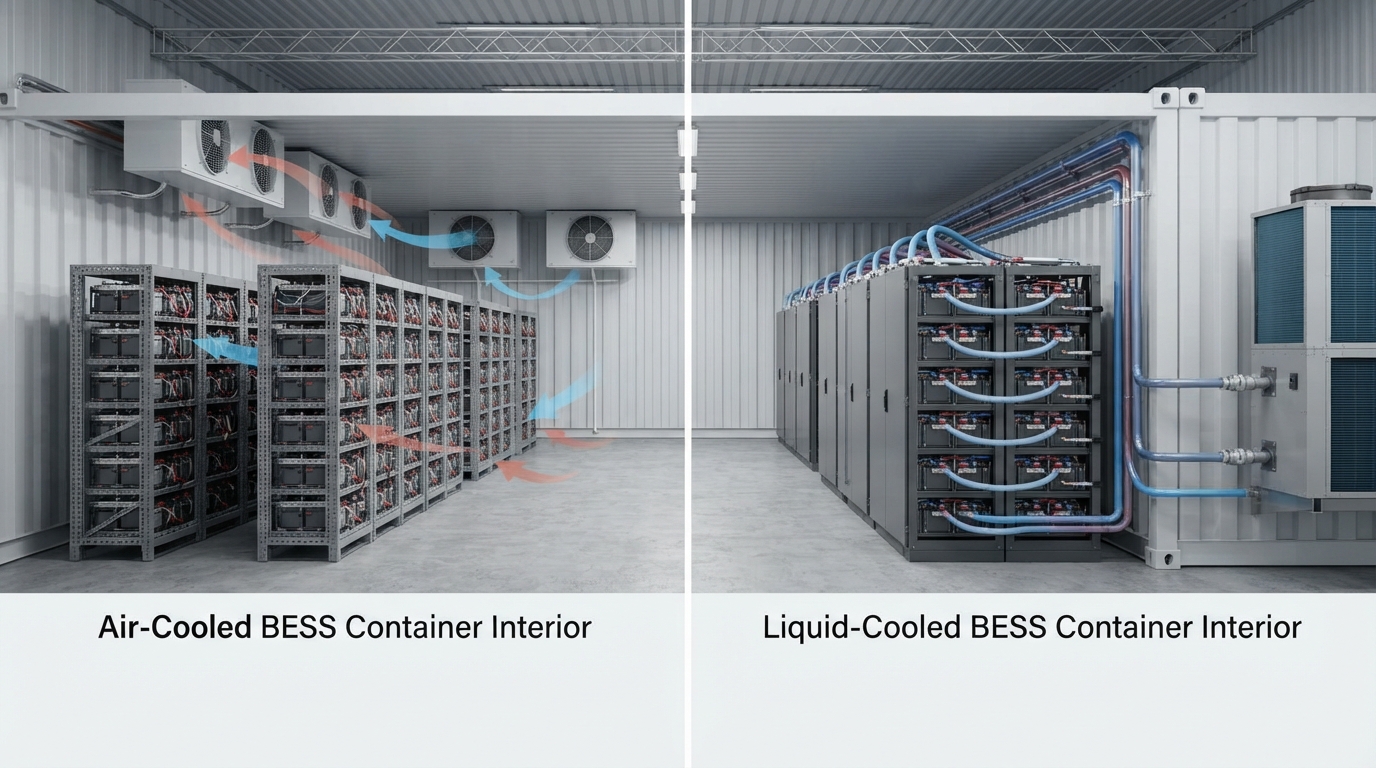
BESS thermal-management architectures fall into two broad categories: air cooling and liquid cooling.
Air cooling uses conditioned air to remove heat from the battery racks. Fans move air through the container, and the HVAC unit controls the supply-air temperature. Air cooling is simpler and often less expensive, but it may require higher airflow and can create larger temperature differences between racks.
Liquid cooling removes heat directly at the module or pack level using a coolant loop. Because liquid has a higher heat capacity than air, liquid cooling can provide more uniform cell temperatures in high-power systems. The container HVAC still handles auxiliary heat, humidity control, and heating, but its cooling load is reduced.
| Factor | Air cooling | Liquid cooling |
|---|---|---|
| Where heat is removed | Container air | Module or pack level |
| Temperature uniformity | Depends on airflow design | Usually better across the pack |
| HVAC auxiliary load | Higher | Lower for battery cooling, but pumps add load |
| Maintenance | Filters, fans, and coils | Coolant loop, pumps, and heat exchangers |
| Complexity | Simpler | More complex, with more failure points |
There is no universal winner. The best choice depends on battery energy density, discharge duration, ambient climate, project cost, and maintenance capacity. For a detailed comparison, see our guide on air cooled vs liquid cooled bess.
HVAC Sizing, Auxiliary Power and Climate
HVAC capacity should be selected from a heat-load calculation, not from container size alone. A 20-foot container in Arizona is not the same as a 20-foot container in Finland.
The main sizing inputs are:
- battery heat generation at the expected charge and discharge rates;
- heat from the PCS and other auxiliary equipment;
- solar heat gain through the container envelope;
- insulation quality and container construction;
- maximum and minimum ambient temperatures;
- indoor temperature and humidity targets from the battery manufacturer;
- operating profile, including how often the system runs at high power.
Cold climates also require heating. If the enclosure can drop below the battery’s minimum operating temperature, the HVAC system must be able to heat the container as well as cool it.
HVAC auxiliary power is a separate but important consideration. The HVAC unit consumes energy whenever it runs, and that consumption reduces the net output of the storage system. Auxiliary load should be reviewed at two points:
- full-load operation, when cooling demand is highest;
- standby or idle operation, when the HVAC system may still run to hold a stable temperature.
Energy-storage modeling research from the U.S. Department of Energy shows that enclosure conditions and HVAC loads can have a meaningful effect on system performance in extreme climates. In practical terms, the HVAC specification should state not only cooling capacity but also expected power consumption at different operating points.
Controls, Monitoring and System Integration
An HVAC system cannot protect a BESS if it operates independently of the battery and safety systems. It has to be integrated with the container controls.
Key integration points:
- BMS: monitors cell and rack temperatures, provides alarms, and can trigger derating or shutdown if temperatures exceed limits.
- EMS: coordinates the HVAC auxiliary load with battery dispatch and operating state.
- PCS: produces heat and may need operating limits that affect HVAC control.
- SCADA or remote monitoring: logs HVAC status, temperatures, humidity, alarms, and faults.
- Fire detection and suppression: may cause the HVAC system to shut down, change airflow, or isolate the enclosure.
The HVAC controller should also have its own alarm thresholds for high temperature, low temperature, high humidity, sensor failure, and communication loss. Alarm hysteresis should be set to avoid short-cycling the compressors and fans.
It is important to distinguish HVAC from ventilation or exhaust. Normal HVAC recirculates and conditions air inside the container. Ventilation or exhaust systems may be required by local codes and by the fire-safety concept to remove hazardous gases or control pressure. HVAC is not a substitute for those systems.
HVAC Failure Modes and Response
Reliability planning should include what happens when HVAC fails.
| Failure mode | Immediate consequence | Expected response |
|---|---|---|
| Loss of cooling | Rising internal temperature | Alarm, BMS/EMS derating, controlled shutdown if limits are reached |
| Loss of heating | Low internal temperature in cold climates | Alarm, heating load replaced or system shutdown if battery limits are exceeded |
| Sensor failure | Loss of accurate temperature or humidity data | Alarm, use of redundant sensor, fail-safe control strategy |
| Controller or communication loss | No local or remote visibility | Alarm, default to fail-safe operation, maintenance dispatch |
| Condensate drain blockage | Water accumulation, humidity rise | Alarm where supported, scheduled inspection |
Redundancy is an option, not a universal requirement. A single HVAC unit may be acceptable for applications where a temporary shutdown is tolerable. High-availability projects may require standby units or a design that allows the BESS to derate safely until HVAC service is completed.
The key reliability question is not just whether the HVAC system is robust, but whether the BESS can detect a problem early and respond safely.
Maintenance, Commissioning and Long-Term Reliability
HVAC performance degrades over time. Filters clog, sensors drift, refrigerant charge changes, fans and compressors wear, and condensate drains block. For this reason, commissioning and maintenance are part of the reliability design.
Commissioning should verify:
- sensor calibration and accuracy;
- correct sensor placement and coverage;
- airflow volume and distribution;
- cooling and heating setpoints;
- alarm thresholds and hysteresis;
- communication with BMS, EMS, and SCADA;
- response to simulated high-temperature and high-humidity conditions;
- correct behavior of fire-system interlocks.
Routine maintenance should include:
- replacing or cleaning air filters;
- inspecting coils and fins;
- checking fans and belts;
- testing condensate pumps and drains;
- verifying sensor readings against a reference;
- checking refrigerant pressures where applicable;
- reviewing alarm logs and remote monitoring trends.
A well-maintained HVAC system supports battery reliability. A neglected one can create conditions that lead to derating, accelerated degradation, or avoidable downtime.
How to Evaluate a BESS HVAC System Specification
When you compare BESS suppliers, request a written HVAC specification and thermal design basis. The document should be specific enough for an independent engineer to review.
A useful HVAC specification should include:
- cooling and heating capacity;
- ambient operating temperature range;
- indoor temperature control range and sensor locations;
- humidity control range and whether the system is rated non-condensing;
- airflow arrangement and expected temperature uniformity;
- auxiliary power consumption at full load and standby;
- IP rating and corrosion-protection approach;
- alarm matrix and control logic;
- integration with BMS, EMS, PCS, SCADA, and fire control;
- access points and space for maintenance;
- commissioning and maintenance requirements.
Also ask how the cooling load was calculated. The supplier should be able to explain the assumptions for battery heat generation, PCS heat, solar gain, insulation, and climate data. If the supplier selects an HVAC unit based only on container size, that is a warning sign.
For commercial and industrial projects, put the specification into the context of the complete system. Our ci energy storage system page explains how these systems are applied at a project level.
When you are ready to evaluate suppliers, use these questions as the starting point for your inquiry. Compare answers carefully, and ask for evidence such as datasheets, thermal calculations, and commissioning procedures. A reliable BESS supplier will be able to show how the HVAC system supports the battery’s operating limits, not just how to fit an air conditioner onto a container.
If you are evaluating a supplier for a containerized BESS, start by contacting a bess container supplier with a short technical questionnaire based on the checklist above.

-

 OEM Residential Energy Storage Solutions: Passive vs. Active Cell Balancing
2026-09-30
-
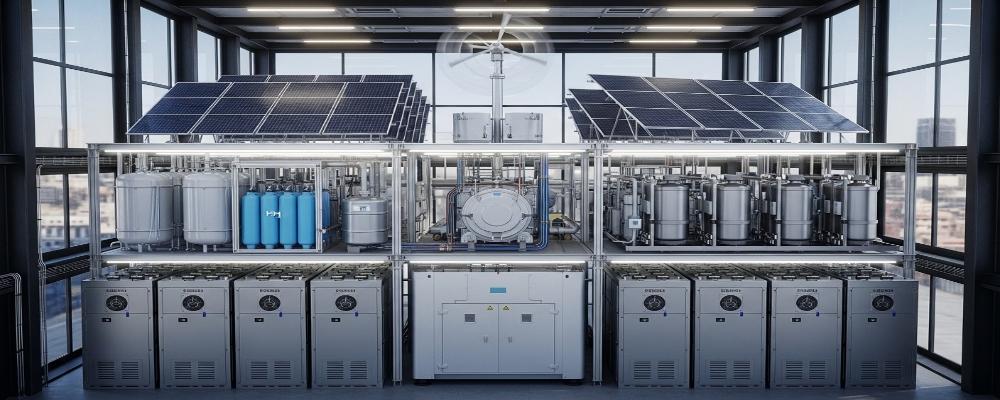 Smart Home Battery with BMS Communication: Cybersecurity and BMS Safety
 -
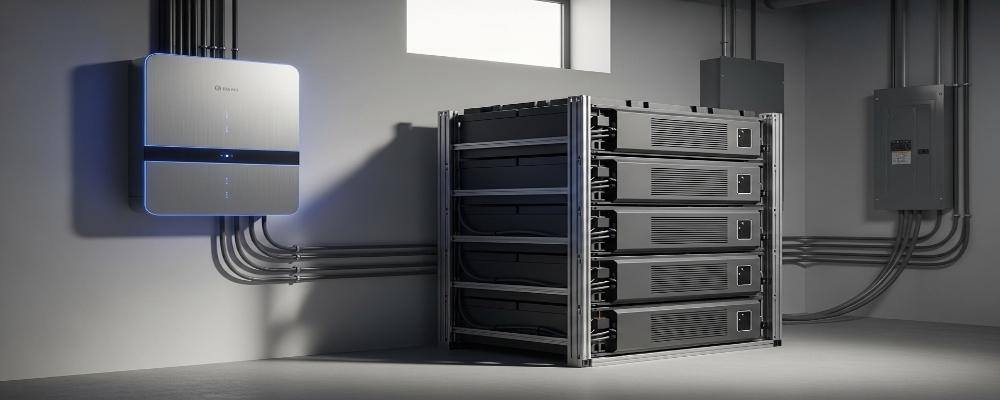 10kWh Home Battery Backup System: Is 90% DoD Better for Daily Solar Storage?
2026-09-29
-
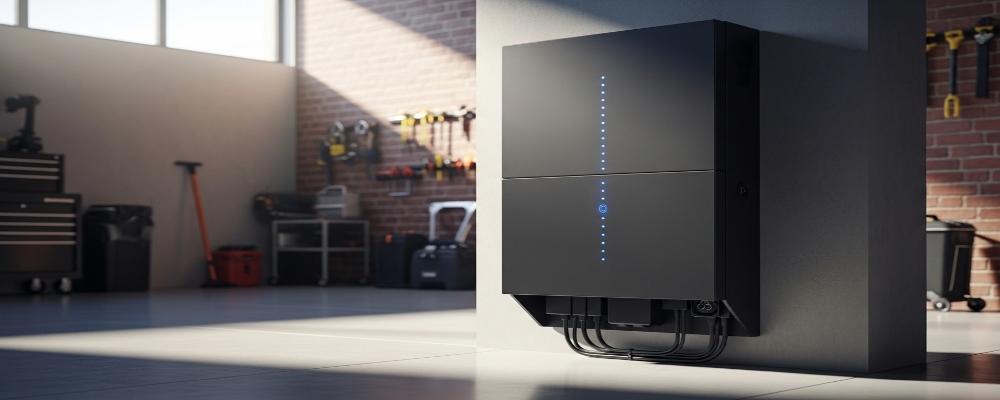 Integrated Home Energy Storage System 150–430V MPPT Design
2026-09-28
-
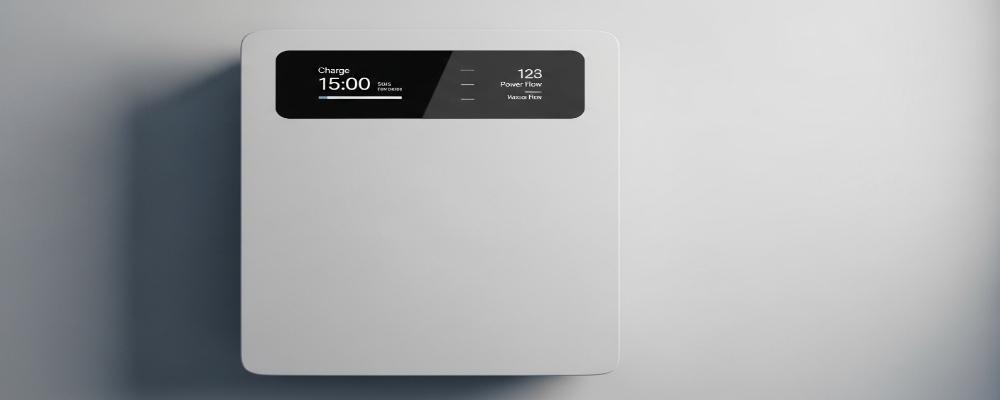 LiFePO₄ Residential Backup Battery SOC Accuracy in Parallel Systems
Share this:





.svg)






-899.svg)


