




Smart Residential Solar Power Solutions for Modern Homes
As energy costs rise and sustainability becomes a priority, homeowners are seeking smarter ways to generate and manage electricity. Residential solar power systems provide a scalable and eco-friendly solution, enabling households to harness sunlight efficiently, store surplus energy, and reduce dependency on the main power grid. Unlike traditional solar setups, modern systems integrate intelligent energy management, battery storage, and hybrid solutions that maximize efficiency while providing backup power when needed.
Residential solar power is no longer limited to generating electricity for daytime use. Advanced systems allow homeowners to optimize energy consumption, schedule appliance usage, and store excess energy for nighttime or peak-hour use. This approach enhances energy independence, lowers bills, and supports sustainable living practices.
Understanding Modern Home Solar Systems
Modern residential solar systems consist of photovoltaic (PV) panels, inverters, energy storage units, and intelligent monitoring software. PV panels convert sunlight into electricity, which can be used directly, stored in batteries, or fed back into the grid depending on household needs. Smart inverters optimize the conversion process, while energy storage ensures uninterrupted power availability.
Unlike basic solar setups, these systems allow for load management, peak shaving, and integration with home automation. This ensures critical appliances remain operational during outages while maximizing renewable energy usage and minimizing reliance on external electricity sources.
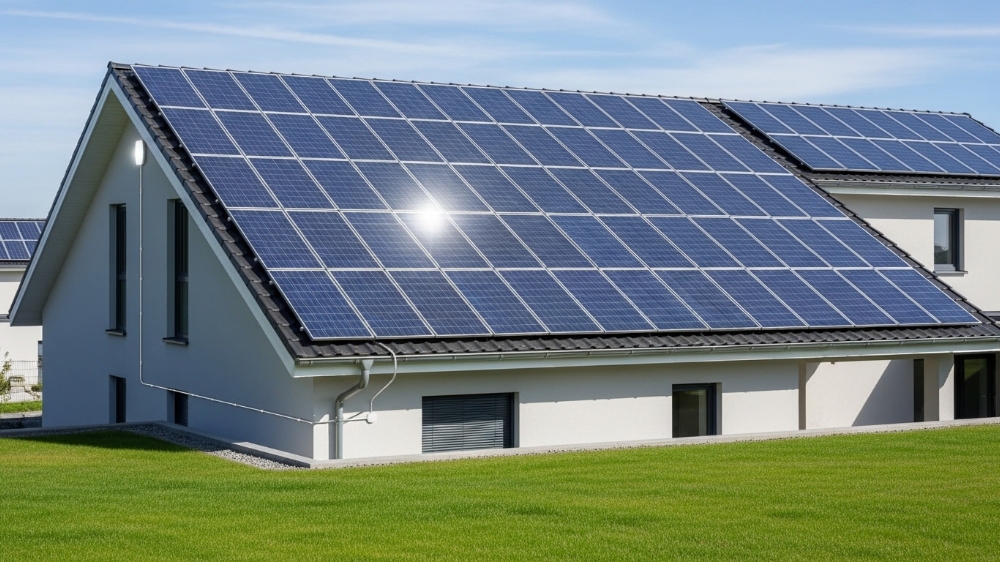
The Importance of Solar Energy for Homes
With increasing reliance on electronic devices and home automation, continuous power is essential. Residential solar power systems provide reliable electricity, reducing the impact of grid outages or fluctuations. They also contribute to energy cost savings by allowing homeowners to store energy generated during low-demand periods and use it when electricity rates are high.
Solar power systems are particularly beneficial in areas with abundant sunlight or where grid energy is expensive or unstable. By adopting solar solutions, households can achieve energy independence, improve reliability, and support broader environmental sustainability goals.
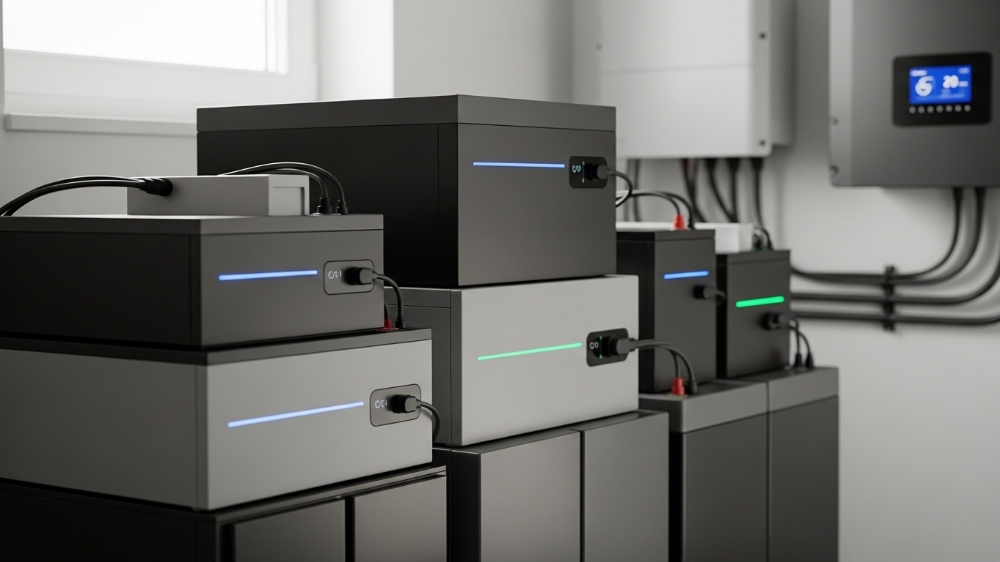
Core Features of Residential Solar Power Solutions
Hybrid energy integration is a key feature of modern solar systems. By combining solar panels with battery storage and optional grid backup, these systems provide uninterrupted power, optimize usage, and improve overall energy efficiency. Intelligent monitoring allows homeowners to track production, consumption, and storage levels in real time, ensuring optimal energy allocation.
Durability and adaptability are essential. Systems are designed to withstand extreme weather conditions, temperature fluctuations, and long-term exposure to sunlight. Modular designs allow homeowners to scale capacity as energy requirements grow or new technologies emerge. Remote monitoring via mobile apps provides insights into energy trends, system health, and predictive maintenance alerts.
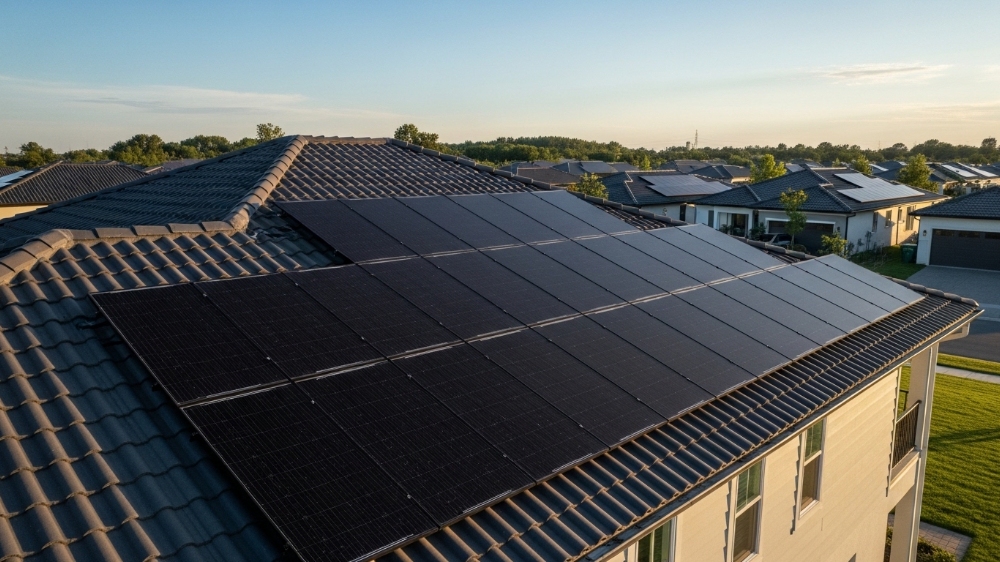
Applications in Residential Settings
Residential solar power is suitable for a wide range of homes, from urban apartments with rooftop panels to suburban houses with ground-mounted arrays. Systems can support everyday electricity needs, critical appliances, home offices, and even electric vehicle charging. Remote or off-grid homes benefit particularly from battery-backed solar solutions, ensuring consistent power without dependency on unreliable grids.
Emergency preparedness is another application, as solar energy stored in batteries ensures that essential devices remain operational during outages or natural disasters. Temporary or portable solar installations are also useful for vacation homes, cabins, or construction sites, offering flexible energy solutions without major infrastructure investments.
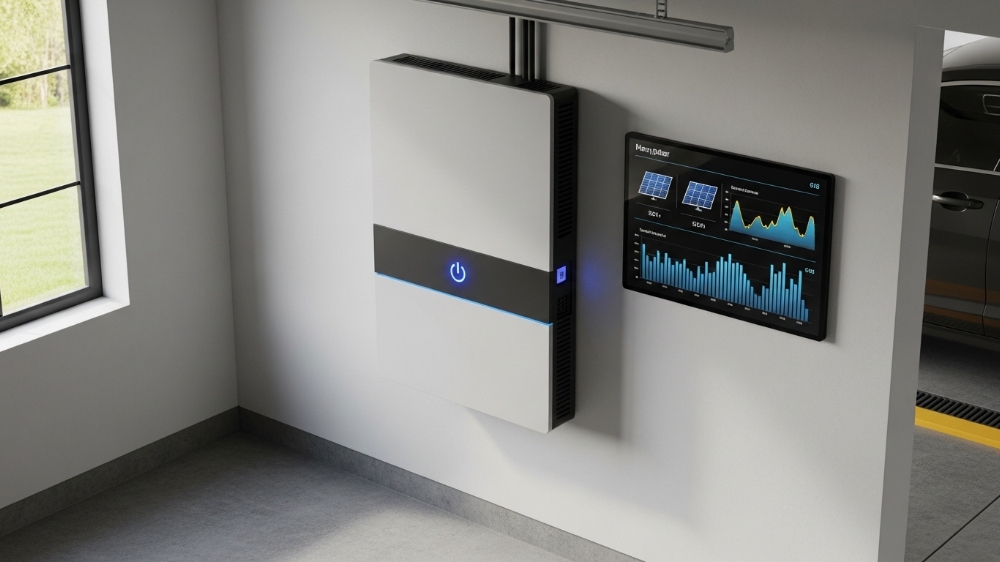
Advantages Over Conventional Home Power Systems
Modern residential solar systems offer multiple advantages compared to conventional grid-only electricity or fuel-based generators. They reduce energy costs by shifting consumption to self-generated solar power, improve efficiency through intelligent load management, and lower carbon emissions by reducing reliance on fossil fuels. Modular designs allow for future expansion, while hybrid configurations ensure reliability during emergencies. Intelligent energy management systems prevent energy waste, extend battery life, and provide predictive insights for proactive maintenance.
Emerging Trends in Residential Solar Technology
Artificial intelligence and machine learning are increasingly applied to optimize solar production, predict household energy consumption, and automate load management. Integration with smart home systems enables automated appliance control based on solar availability or energy rates. Renewable energy adoption continues to grow, supported by declining solar panel costs, improved battery efficiency, and government incentives. Cloud-based monitoring platforms allow homeowners and service providers to remotely track performance, ensuring long-term system reliability and maximizing return on investment.
Conclusion
Residential solar power is transforming the way homes generate and consume electricity. By combining photovoltaic panels, battery storage, intelligent energy management, and hybrid solutions, homeowners can achieve reliable, efficient, and sustainable energy for their daily needs. Investing in smart solar solutions provides energy independence, cost savings, environmental benefits, and uninterrupted power supply, making homes smarter, greener, and more resilient for the future.
FAQ
Q1: What is a residential solar power system?
A: It is a home energy system that converts sunlight into electricity, stores it in batteries, and manages energy usage intelligently.
Q2: How does solar energy reduce electricity bills?
A: By using self-generated solar power and storing excess energy for peak-hour use, homeowners minimize reliance on the grid.
Q3: Are solar systems suitable for off-grid homes?
A: Yes, battery-backed solar systems provide reliable electricity in locations without stable grid access.
Q4: Can residential solar integrate with smart home systems?
A: Modern solar systems can monitor energy use, automate appliance control, and optimize power allocation.
Q5: What are the main benefits of residential solar power?
A: Benefits include energy independence, cost savings, sustainability, reliability, and flexible system scalability.

-

 OEM Residential Energy Storage Solutions: Passive vs. Active Cell Balancing
2026-09-30
-
 Smart Home Battery with BMS Communication: Cybersecurity and BMS Safety
 -
 10kWh Home Battery Backup System: Is 90% DoD Better for Daily Solar Storage?
2026-09-29
-
 Integrated Home Energy Storage System 150–430V MPPT Design
2026-09-28
-
 LiFePO₄ Residential Backup Battery SOC Accuracy in Parallel Systems
Share this:





.svg)






-899.svg)


