




Advanced Solar Inverter Technology for Efficient Energy Systems
Solar inverters are the cornerstone of modern photovoltaic (PV) systems, transforming DC electricity generated by solar panels into usable AC power for homes, businesses, and industries. Solar inverter technology has evolved far beyond basic energy conversion, integrating intelligent management, hybrid functionality, and real-time monitoring to optimize efficiency, reduce energy loss, and enable smarter grid interaction. Unlike conventional inverters, modern solutions provide scalable, high-performance, and flexible energy conversion that adapts to both residential and industrial needs.
The advancement of solar inverter technology allows users to maximize renewable energy utilization, integrate storage solutions seamlessly, and maintain system reliability under varying environmental and operational conditions. These systems not only deliver power but also enhance energy management, ensuring consistent performance and long-term sustainability.
Understanding Modern Solar Inverter Systems
A modern solar inverter system is a sophisticated device that handles multiple functions beyond basic DC-to-AC conversion. It manages voltage regulation, synchronizes with the grid, controls energy storage devices, and monitors system health. Hybrid inverters can intelligently switch between solar, battery, and grid power to maintain uninterrupted electricity supply.
Unlike older inverter models that primarily focused on conversion efficiency, contemporary solar inverters incorporate AI-driven energy management, predictive analytics, and fault detection. This ensures that every watt of generated energy is utilized optimally, system performance is maintained, and potential issues are identified before they lead to downtime.
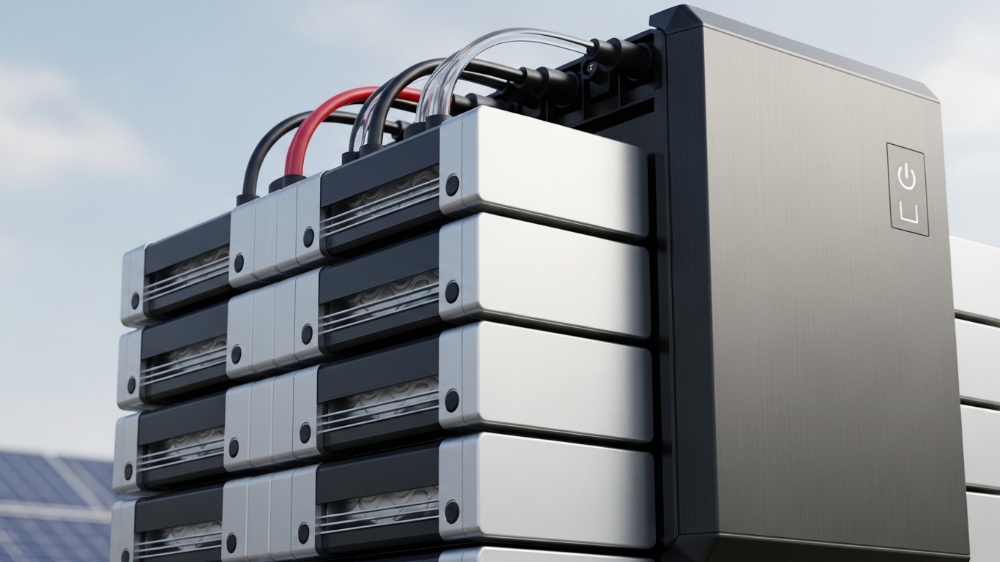
Why Solar Inverter Technology Is Critical
As solar energy adoption grows, inverter technology becomes a critical factor in system performance. Inaccurate conversion, poor load management, or inefficient energy distribution can result in energy loss, higher operating costs, and reduced ROI for solar installations. Advanced inverters address these challenges by providing precise voltage regulation, intelligent load balancing, and seamless integration with energy storage systems.
For residential and commercial users, this translates to lower energy bills, reliable backup power during outages, and efficient use of renewable energy. Industrial facilities benefit from reduced operational costs, better grid interaction, and enhanced power quality for sensitive equipment, making advanced solar inverters essential for modern energy management strategies.
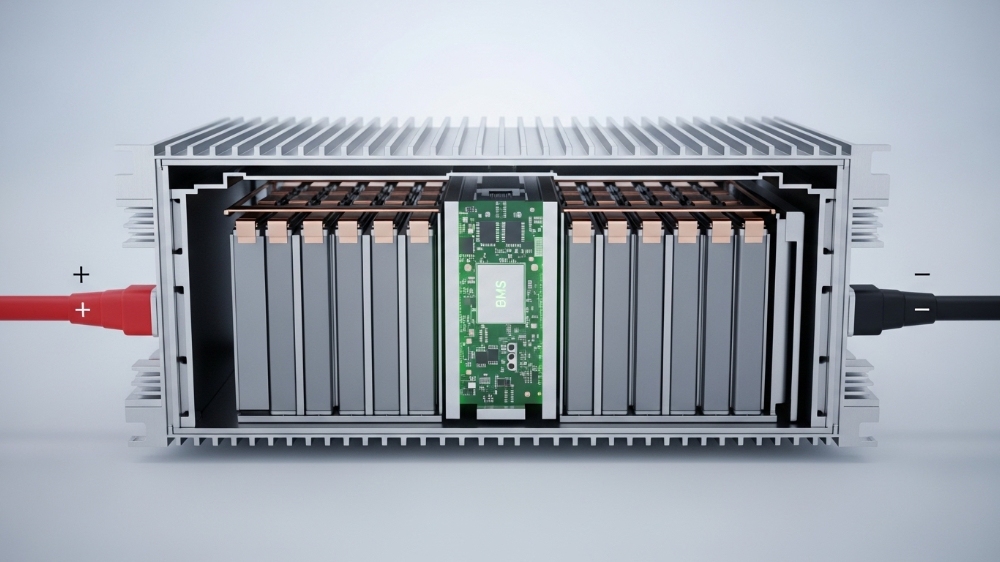
Core Features of Intelligent Solar Inverters
Intelligent solar inverters include multiple functional layers. They provide real-time energy monitoring, remote system management via mobile or cloud applications, and dynamic optimization of energy flows. Hybrid functionality allows seamless transitions between solar, storage, and grid power, ensuring uninterrupted supply even during peak demand or grid instability.
Durability is another critical feature. Modern inverters are designed to withstand extreme temperatures, voltage fluctuations, and environmental stressors, maintaining high performance over extended lifespans. Modular designs allow for system scalability, supporting future expansion of PV arrays or battery storage without replacing the entire inverter infrastructure.
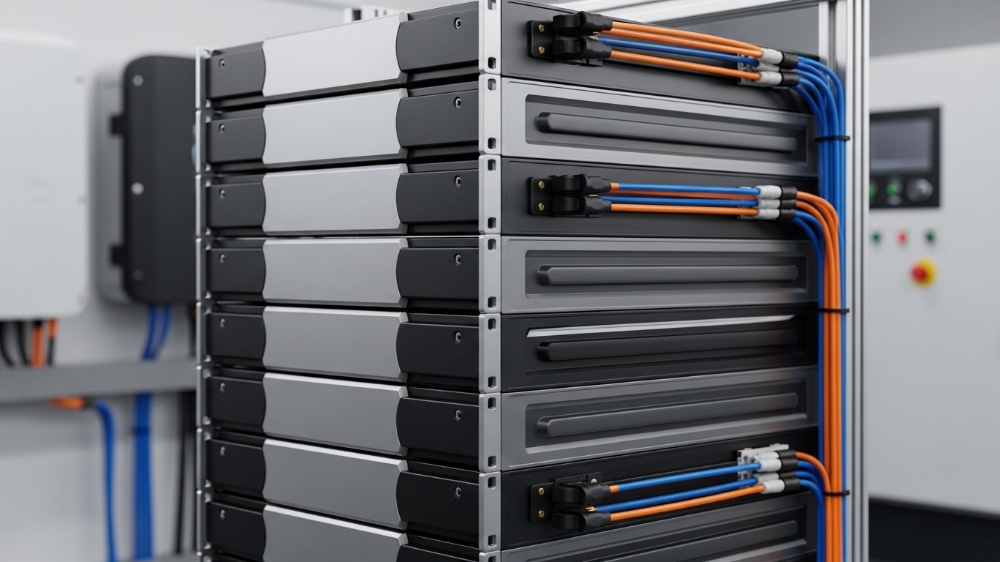
Applications Across Residential and Industrial Settings
Residential solar installations benefit from inverters that optimize home energy use, integrate battery storage, and support smart home automation. They enable homeowners to shift energy consumption, store surplus solar power, and maintain uninterrupted electricity during outages. Industrial and commercial facilities leverage high-capacity inverters for managing large PV arrays, reducing peak demand charges, and ensuring reliable power for sensitive machinery and critical operations.
Off-grid and remote locations also gain significant advantages from advanced inverter technology. By intelligently managing hybrid energy systems, these inverters ensure continuous power availability, maximize renewable energy utilization, and provide robust energy independence even in areas with unstable or nonexistent grid connections.
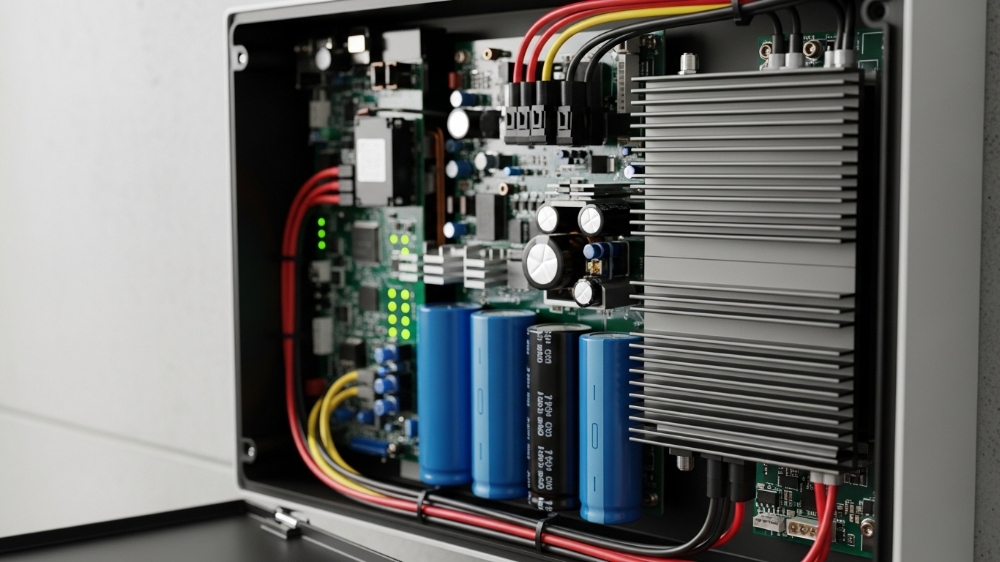
Advantages Over Conventional Inverter Systems
Advanced solar inverters offer multiple benefits compared to traditional models. They maximize energy efficiency, reduce conversion losses, and integrate with storage solutions for better energy management. Smart monitoring and predictive analytics prevent downtime, optimize maintenance schedules, and extend the lifespan of PV systems. Hybrid and modular designs allow for future-proof scalability, adapting to growing energy demands without major system overhauls. Integration with renewable sources further reduces reliance on fossil fuels, supporting sustainable energy initiatives.
Emerging Trends in Solar Inverter Technology
Artificial intelligence and machine learning are increasingly incorporated into inverter systems to optimize energy flows, predict consumption patterns, and automate energy distribution. Cloud-based monitoring allows users and service providers to track system performance in real time, receive maintenance alerts, and analyze energy data. Integration with home and building automation systems enables dynamic energy allocation based on appliance priority or cost optimization. Emerging hybrid solutions continue to combine PV, storage, and grid power in intelligent networks, paving the way for highly resilient and efficient energy systems.
Conclusion
Solar inverter technology has evolved into an essential component of modern energy systems, providing high-efficiency energy conversion, intelligent management, and seamless integration with renewable sources and storage. Advanced inverters enhance system reliability, reduce energy costs, and enable smarter energy use across residential, commercial, and industrial applications. By investing in intelligent solar inverter solutions, users can achieve uninterrupted power, optimized renewable energy utilization, and sustainable, future-ready energy infrastructure.
FAQ
Q1: What is a solar inverter?
A: A solar inverter converts DC electricity from solar panels into usable AC electricity while managing energy flow, storage, and grid interaction.
Q2: How do intelligent solar inverters improve efficiency?
A: They optimize energy conversion, manage loads dynamically, integrate storage, and reduce energy loss through real-time monitoring.
Q3: Can hybrid inverters provide backup power?
A: Yes, hybrid inverters seamlessly switch between solar, battery, and grid power to maintain continuous electricity supply.
Q4: Are solar inverters suitable for industrial applications?
A: Yes, high-capacity inverters manage large PV arrays, reduce peak demand costs, and ensure reliable power for sensitive equipment.
Q5: What are the main benefits of advanced solar inverter technology?
A: Benefits include energy efficiency, uninterrupted power, intelligent monitoring, scalability, reduced costs, and sustainable energy utilization.

-

 OEM Residential Energy Storage Solutions: Passive vs. Active Cell Balancing
2026-09-30
-
 Smart Home Battery with BMS Communication: Cybersecurity and BMS Safety
 -
 10kWh Home Battery Backup System: Is 90% DoD Better for Daily Solar Storage?
2026-09-29
-
 Integrated Home Energy Storage System 150–430V MPPT Design
2026-09-28
-
 LiFePO₄ Residential Backup Battery SOC Accuracy in Parallel Systems
Share this:





.svg)






-899.svg)


