




Stacked Energy Architecture: A Modern Approach to Power Solutions
The growing complexity of modern energy systems demands innovative approaches to ensure efficiency, scalability, and reliability. Stacked energy architecture provides a framework that layers multiple energy sources and storage solutions into a unified, intelligent system. Unlike traditional single-source setups, this approach allows for optimized energy distribution, peak demand management, and improved resilience across residential, commercial, and industrial applications.
By organizing energy resources into a multi-tiered structure, operators can prioritize critical loads, store surplus energy for later use, and integrate renewable energy seamlessly. Stacked energy architecture is not only a backup strategy but also a proactive method for reducing costs, minimizing environmental impact, and enhancing operational flexibility in dynamic energy environments.
Understanding Layered Energy Systems
Layered or stacked energy systems involve organizing multiple energy generation and storage technologies into hierarchical layers. The architecture may include primary grid energy, local renewable sources like solar or wind, high-capacity batteries, and auxiliary backup systems. Each layer is monitored and managed through intelligent control units, which optimize energy flows based on consumption patterns, cost, and availability.
This structure allows energy managers to balance demand across different layers, ensuring that high-priority loads receive uninterrupted power while less critical systems draw from lower-priority resources. The modular design of stacked energy architecture facilitates scalability, allowing systems to grow as energy demands increase or new sources become available.
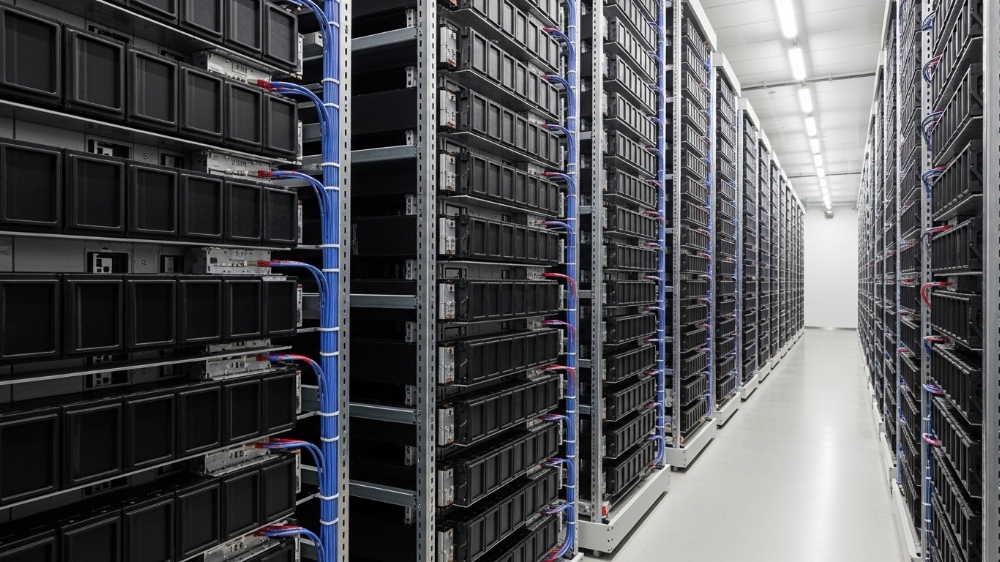
The Importance of Multi-Tiered Energy Management
Modern energy systems face challenges such as fluctuating demand, intermittent renewable generation, and rising electricity costs. Stacked energy architecture addresses these challenges by providing a tiered approach that ensures efficient energy allocation. High-priority systems, such as data centers or emergency facilities, can rely on immediate battery reserves, while secondary layers manage energy from renewable or grid sources.
This approach increases system reliability, prevents downtime, and maximizes the utilization of all available energy resources. It is particularly valuable in urban environments, industrial facilities, and remote installations where energy availability and stability are critical.
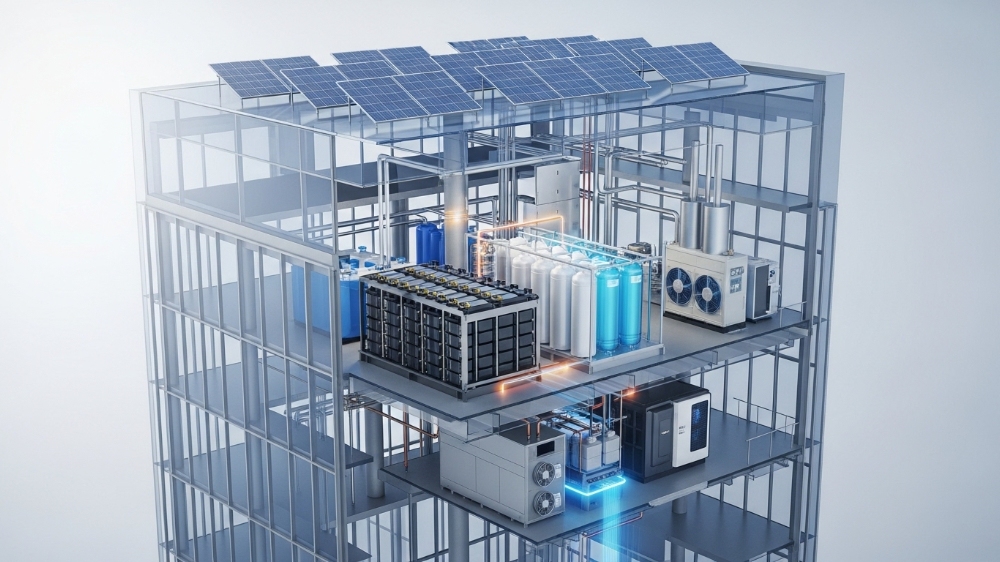
Core Features of Stacked Energy Architecture
Hybrid integration is at the heart of stacked energy architecture. Systems combine multiple energy types—grid power, solar, wind, and stored energy—into an intelligent network. Advanced energy management software monitors real-time usage, forecasts demand, and allocates energy across layers to optimize efficiency.
Scalability is another essential feature. Modular units allow easy expansion to accommodate new loads, additional renewable sources, or higher storage capacity. Remote monitoring and control provide operators with visibility and automation, enabling predictive maintenance, energy audits, and rapid response to unexpected load changes.
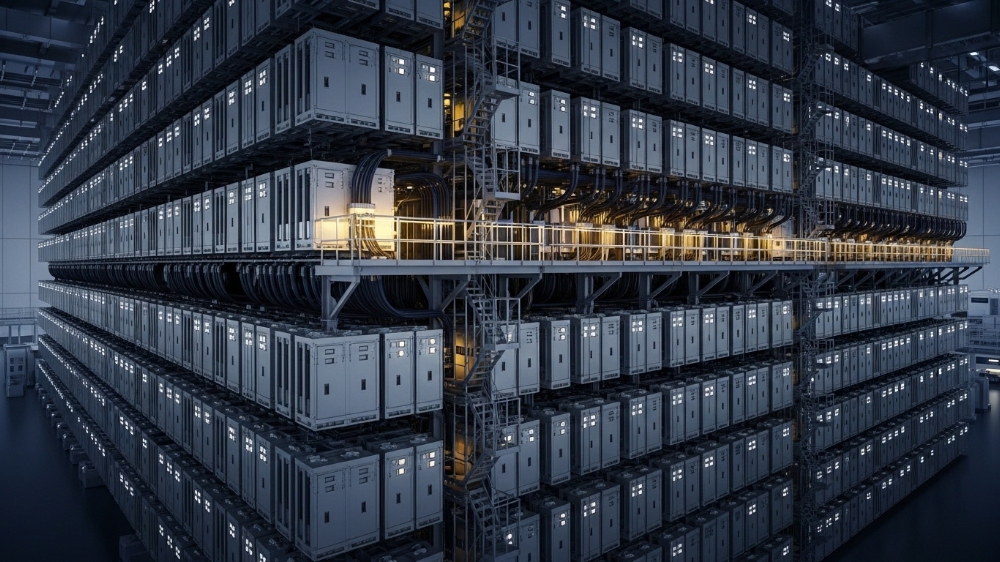
Applications Across Industries
Stacked energy architecture is suitable for a wide range of applications. In industrial settings, layered energy systems stabilize factory operations, maintain production lines, and reduce reliance on peak grid energy. For commercial buildings, these systems optimize energy costs by shifting consumption to stored or renewable sources during high-rate periods. Residential applications allow homeowners to maximize solar energy usage, store surplus electricity, and maintain continuous power during outages.
Remote installations, such as telecom nodes, off-grid research stations, or construction sites, benefit from layered energy systems by providing resilient, independent energy networks. Emergency response facilities also rely on multi-tiered energy solutions to maintain critical operations during crises, ensuring safety and continuity of service.
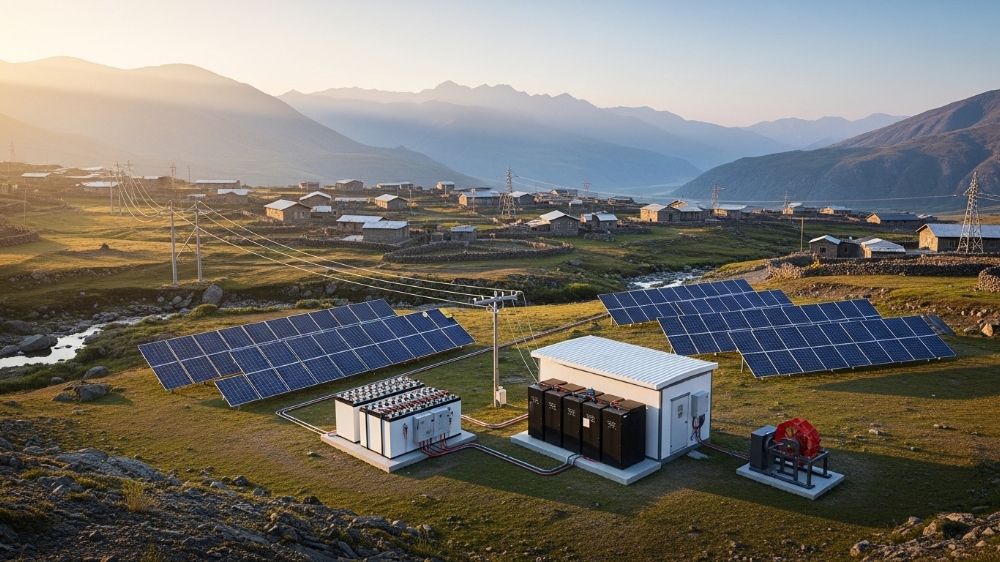
Advantages Over Conventional Energy Systems
Stacked energy architecture offers significant benefits compared to single-layer energy systems. By combining multiple sources and storage units, these systems increase efficiency, reduce dependency on the grid, and improve resilience. Operational costs decrease as energy is stored during low-cost periods and utilized during peak demand. Renewable energy integration further reduces environmental impact, contributing to sustainability goals. Intelligent software ensures that energy flows are optimized, minimizing waste and maximizing system lifespan.
Emerging Trends in Layered Energy Solutions
Artificial intelligence and machine learning are enhancing stacked energy architecture by enabling predictive energy management, automatic layer switching, and efficiency optimization. Distributed energy networks allow facilities to operate independently from central grids while maintaining full functionality. The integration of battery storage with renewable energy sources continues to expand, supporting carbon reduction initiatives. Cloud-based monitoring and smart analytics provide real-time insights, predictive maintenance, and energy optimization across multiple layers and sites.
Conclusion
Stacked energy architecture represents the future of intelligent power management. By integrating multiple energy sources, layered storage, and smart control systems, this approach ensures efficiency, scalability, and resilience across residential, commercial, and industrial applications. Investing in stacked energy solutions allows operators to reduce costs, maximize renewable energy utilization, and maintain uninterrupted operations, providing a sustainable, reliable, and future-ready energy infrastructure.
FAQ
Q1: What is stacked energy architecture?
A: It is a multi-layered energy system combining different energy sources and storage units, managed intelligently for optimized power distribution.
Q2: How does layered energy improve efficiency?
A: By prioritizing energy allocation across multiple layers, the system maximizes resource utilization and reduces waste.
Q3: Are stacked energy systems suitable for residential use?
A: Yes, they can store solar energy, provide backup power, and optimize household electricity consumption.
Q4: Can industrial facilities benefit from this architecture?
A: Absolutely, layered energy systems stabilize production, reduce peak demand costs, and integrate renewable energy efficiently.
Q5: What are the main advantages of stacked energy systems?
A: Benefits include improved resilience, energy efficiency, cost savings, renewable integration, and scalable, future-proof infrastructure.

-

 OEM Residential Energy Storage Solutions: Passive vs. Active Cell Balancing
2026-09-30
-
 Smart Home Battery with BMS Communication: Cybersecurity and BMS Safety
 -
 10kWh Home Battery Backup System: Is 90% DoD Better for Daily Solar Storage?
2026-09-29
-
 Integrated Home Energy Storage System 150–430V MPPT Design
2026-09-28
-
 LiFePO₄ Residential Backup Battery SOC Accuracy in Parallel Systems
Share this:






.svg)






-899.svg)


