




Three-Phase Modular Home Battery Storage System
A three-phase home does not automatically require three-phase battery backup. The real question is whether the loads that must remain operational during an outage are single-phase or three-phase—and whether the battery, inverter, BMS, and PV array can support those loads as one system.
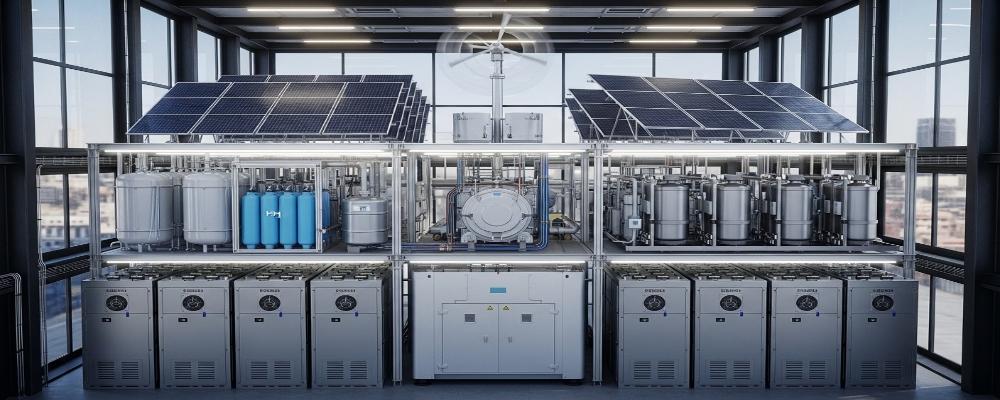
This is where a Modular Home Battery Storage System must be evaluated beyond its headline kWh rating.
For larger homes, villas, workshops, heat-pump installations, and properties with high-power electrical equipment, four parameters should be checked together:
• Battery energy capacity in kWh
• Continuous inverter output in kW
• Battery-side discharge current
• Three-phase and per-phase load limits
When Does a Home Really Need Three-Phase Battery Backup?
A property may receive 230/400V three-phase utility power while most essential circuits remain single-phase. Refrigerators, lighting, communication equipment, control systems, and conventional sockets may therefore be backed up without maintaining every three-phase load.
True three-phase backup becomes more relevant when the property depends on equipment such as:
• Three-phase heat pumps
• Pumps and motors
• Workshop machinery
• Large HVAC systems
• Other loads distributed heavily across all three phases
The key distinction is:
Three-phase Grid Connection ≠ Guaranteed Three-phase Backup Operation.
Before specifying a Modular Home Battery Storage System, installers should therefore verify the inverter’s backup-mode output, per-phase power limit, phase-imbalance allowance, and motor-start capability. These figures are not specified in the supplied product data and should be confirmed for the exact inverter configuration.
How a 51.2V Battery Supports 230/400V Three-Phase Loads
The VoltaLink configuration combines a 51.2V LiFePO₄ battery architecture with 20.48kWh rated energy. Its AC-side specification lists 10,000W rated power, 20,000W surge power, pure sine-wave output, and 230/400VAC three-phase operation.
These parameters describe different electrical functions.
| Parameter | System Value | What It Actually Determines |
| Battery Voltage | 51.2V | DC architecture and current level |
| Battery Capacity | 400Ah | Stored charge |
| Rated Energy | 20.48kWh | Nominal stored energy |
| Inverter Power | 10kW | Continuous AC load capability |
| Surge Power | 20kW | Short-duration peak capability |
| AC Output | 230/400V | Three-phase household supply |
The relationship between voltage and capacity is straightforward:
51.2V × 400Ah = 20.48kWh
But a 20.48kWh battery is not necessarily a 20.48kWh usable AC source.
At the stated maximum 90% DOD, the nominal usable DC energy is approximately 18.43kWh (at 90% DOD), before considering inverter efficiency losses. Temperature effects, and auxiliary consumption are considered. The product documentation specifies up to 90% DOD and 6000 cycles, although the exact test conditions behind the cycle-life figure should be confirmed when comparing suppliers.
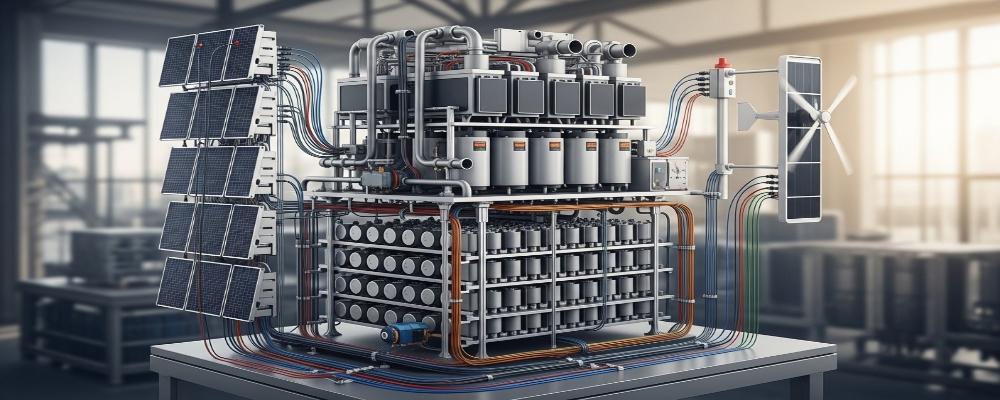
Why Low-Voltage Systems Need Careful Current Matching
A technical issue often missed in a 51.2V Modular Home Battery Storage System is DC current.
At approximately 10kW:
10,000W ÷ 51.2V ≈ 195A
That is before conversion losses.
The engineering question is therefore not only:
Is 20.48kWh enough?
It is also:
Can the battery system continuously deliver the current required by a 10kW inverter?
The following components must be sized as one current path:
• Battery BMS
• Internal busbars
• DC connectors
• Battery cables
• Fuse or DC breaker
• Inverter DC input
This is also why a low-voltage and high-voltage battery cannot be compared purely by kWh.
Three-Phase vs. Single-Phase and Low-Voltage vs. High-Voltage
Different architectures solve different load problems.
| Architecture | Best Fit | Technical Issue to Check |
| Three-phase backup | Homes with important three-phase loads | Total and per-phase output |
| Single-phase backup | Conventional essential circuits | Backup circuit allocation |
| 51.2V low-voltage | Modular residential storage | Higher DC current |
| High-voltage battery | Higher-power HV architectures | Dedicated inverter/BMS matching |
| Whole-home backup | Broad household continuity | Peak and motor loads |
| Essential-load backup | Longer backup duration | Critical-load selection |
Note: The VoltaLink system supports a 20kW surge output for up to 10 seconds
A three-phase Modular Home Battery Storage System is therefore not inherently better. It is appropriate when the home’s actual load architecture justifies it.
Match Battery Capacity to Both Load and Runtime
The VoltaLink system lists 10kW rated output and 20kW surge output. These figures should not be treated interchangeably.
A surge rating usually addresses temporary demand such as motor or compressor startup. Buyers should confirm:
• Surge duration
• Backup-mode continuous power
• Maximum per-phase load
• Allowed phase imbalance
• Performance at low SOC
• Battery discharge-current limit
Backup time must also be calculated from usable energy, not nameplate capacity.
For example, an average 3kW load will consume stored energy much more slowly than a 7kW load, even though both may remain below the inverter’s 10kW rating.
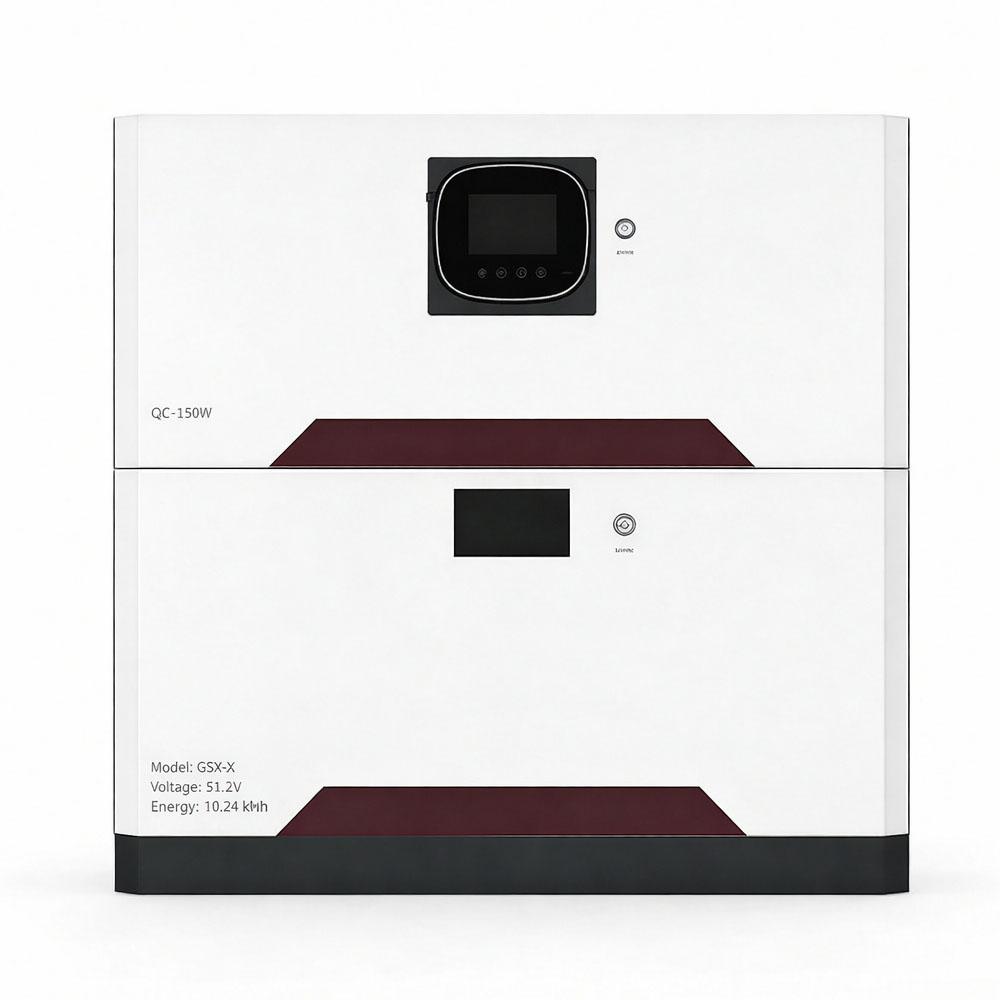
Two 7.5kW MPPTs Do Not Create 15kW AC Output
Another common specification error is confusing PV input capability with AC output.
This configuration lists:
• 2 × 7.5kW MPPT
• 200–650VDC MPPT range
• 800VDC open-circuit voltage
• 22A maximum input current per MPPT
• 10kW rated AC power
The two MPPT channels define the PV-side operating envelope. They do not change the inverter’s listed 10kW AC rating.
PV string design must therefore check voltage, current, cold-condition Voc, inverter output, and battery charging limits separately.
CAN and RS485 Are Interfaces, Not Compatibility Guarantees
VoltaLink’s Modular Home Battery Storage System supports CAN and RS485 communication with smart BMS control.
However, an inverter with the same communication port is not automatically compatible.
Installers should confirm:
• Communication protocol
• CAN/RS485 pin definition
• Supported inverter firmware
• Battery profile
• Master/slave settings
• SOC and alarm-data exchange
This verification is especially important in modular systems because communication errors can affect charge limits, SOC reporting, and protection behavior across the full battery stack.
Installation Is More Than Stacking Modules
The referenced system measures 760 × 600 × 800mm and weighs approximately 228kg. It uses a floor-standing stackable structure and natural cooling.
Installation planning should therefore include:
• Floor load and level installation surface
• Ventilation and cooling clearance
• DC cable length and voltage drop
• DC isolation and overcurrent protection
• Three-phase AC protection
• Maintenance access
Expansion also requires more than mechanically adding another module. Maximum parallel capacity, BMS addressing, module current sharing, and compatibility between existing and newly added batteries should be confirmed first.
Manufacturing Consistency Matters in Modular Storage
Consistency of modules in a Modular Home Battery Storage System is important for system performance over a period of time.
Cell— level consistency is performed by VoltaLink during their integration of modules. Voltage, current, and temperature are monitored and logged by the smart BMS.Power units go through a series of tests for capacity, aging, and safety.
These controls are important especially in a system with parallel battery modules, as the effect of differences in state-of-charge (SOC), cell behavior, and internal resistance can be significant in the loading of the cell.
Verify the System Before Making a Purchase Decision
Do not treat a battery certificate, inverter certificate, grid approval, and complete ESS documentation as the same thing.
Before ordering a three-phase Modular Home Battery Storage System, verify the exact configuration in this sequence:
Load Profile → Phase Requirement → Inverter Power → Usable Battery Energy → DC Current → PV/MPPT Limits → BMS Communication → Installation Conditions → Applicable Certification
VoltaLink’s modular 51.2V platform provides a practical basis for scalable residential storage, but the final configuration should be matched to the home’s actual loads and inverter requirements rather than selected from capacity alone. For installers, distributors, and project buyers, VoltaLink can support configuration discussions covering battery capacity, modular expansion, inverter communication, and three-phase system requirements before a project specification is finalized.
FAQs
Q1. What is the battery capacity of VoltaLink’s Modular Home Battery Storage System?
VoltaLink references a three-phase system with a LiFePO₄ battery configuration. The battery configuration has a voltage of 51.2V and a capacity of 400Ah, resulting in an energy storage capacity of 20.48kWh.
Q2. Does the VoltaLink system work on three-phase?
Yes. The system referenced has a three-phase AC output of 230/400V and a rated output power of 10kW, meaning it can be used on residential three-phase projects. The verification of the actual compatibility of the backup load is still required for the installation.
Q3. Can battery capacity grow over time?
Yes. The VoltaLink Modular Home Battery Storage System is designed to add more battery capacity. The configuration should be checked for the maximum supported limit of the inverter combined with the BMS.
Q4. What battery chemistry does VoltaLink use?
The system uses LiFePO₄ lithium iron phosphate cells for residential energy storage applications.
Q5. Does the system support CAN and RS485 communication?
Yes. VoltaLink’s battery system BMS supports CAN and RS485 communication. The communication protocol and firmware should be checked with the inverter for the pin definition and compatibility.

-

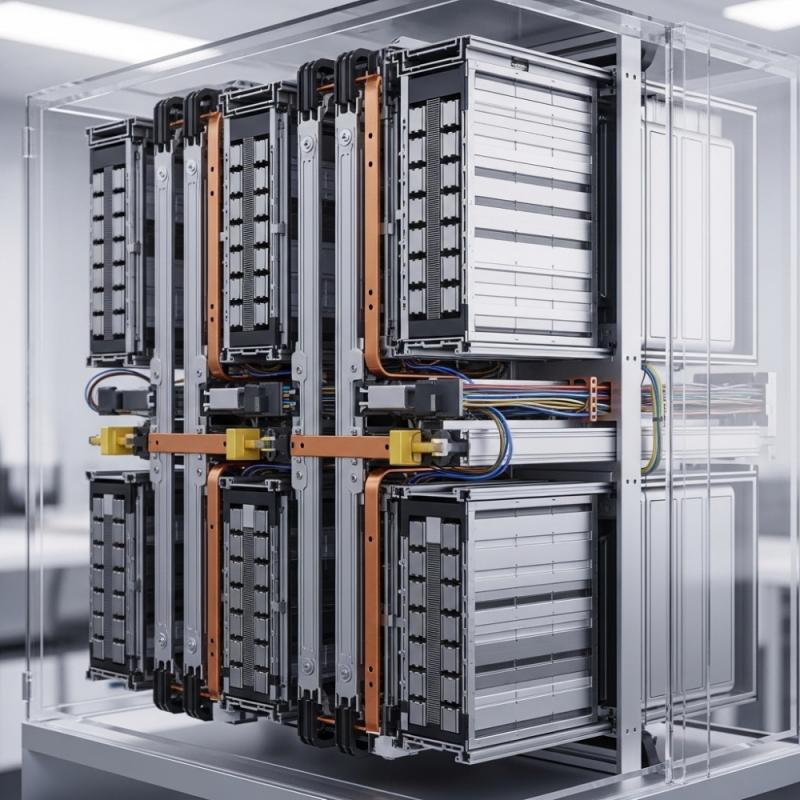 OEM Residential Energy Storage Solutions: Passive vs. Active Cell Balancing
2026-09-30
-
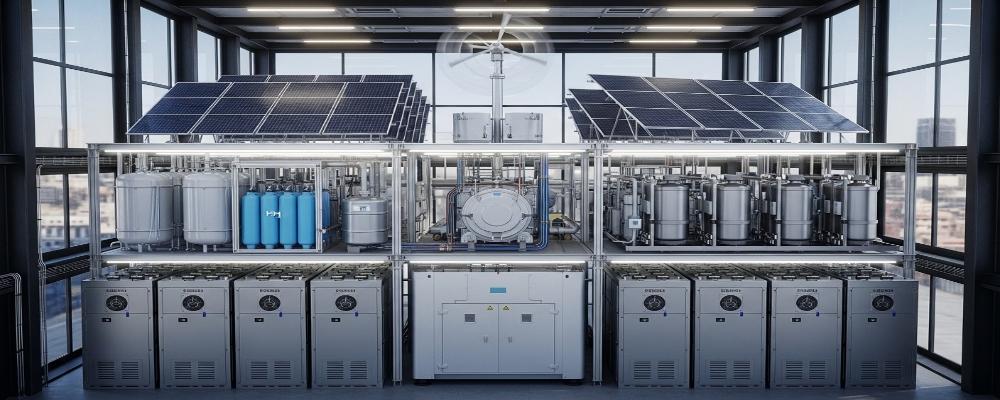 Smart Home Battery with BMS Communication: Cybersecurity and BMS Safety
 -
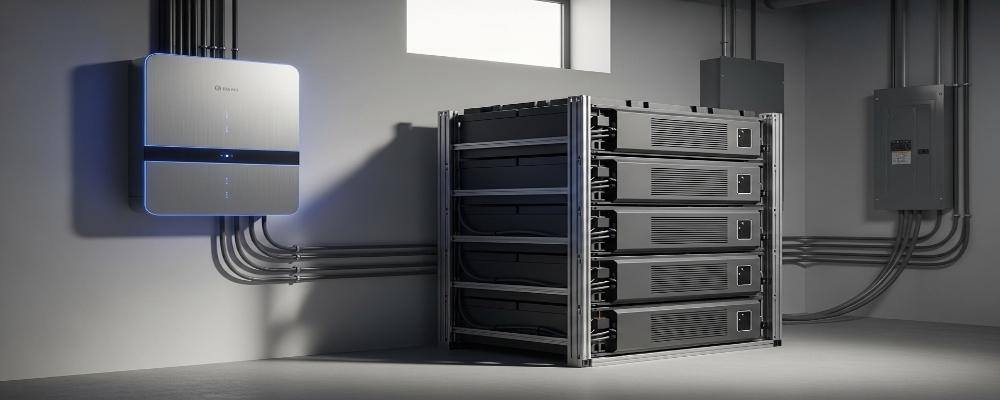 10kWh Home Battery Backup System: Is 90% DoD Better for Daily Solar Storage?
2026-09-29
-
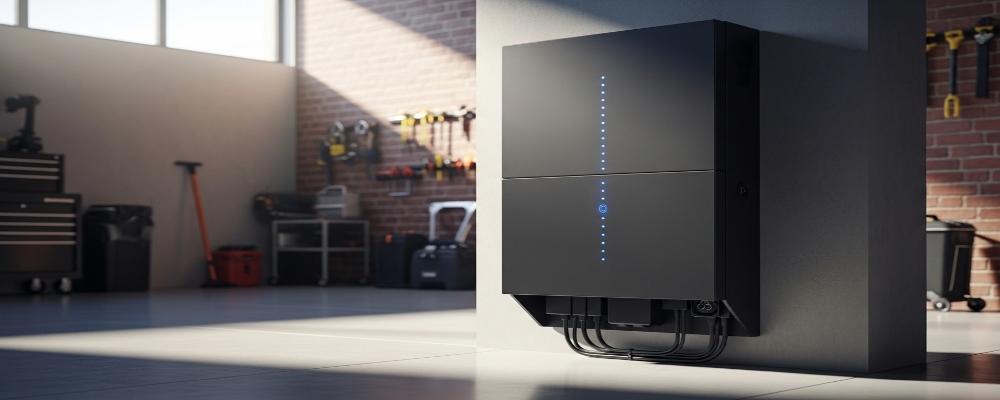 Integrated Home Energy Storage System 150–430V MPPT Design
2026-09-28
-
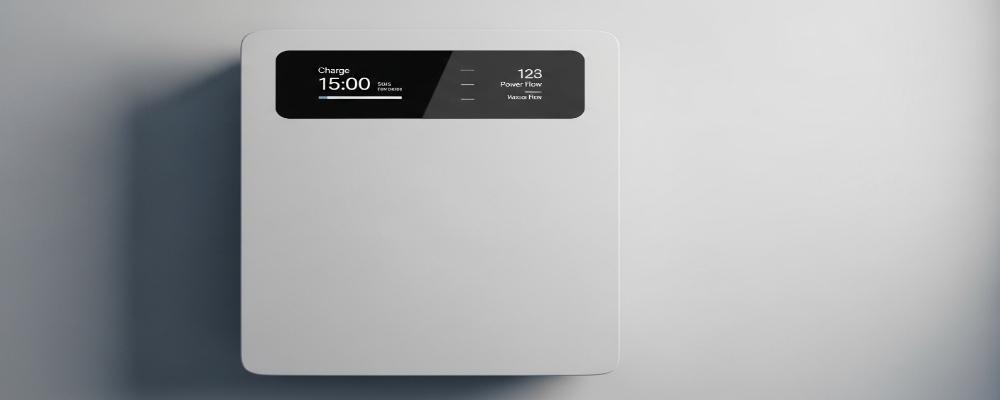 LiFePO₄ Residential Backup Battery SOC Accuracy in Parallel Systems
Share this:





.svg)






-899.svg)


