




China Lithium Battery Factory for Home Storage: Custom Capacity, Voltage & Enclosure
Choosing a China Lithium Battery Factory for Home Storage is not simply a matter of selecting a 10kWh, 15kWh, or 20kWh battery from a catalog. Residential storage performance depends on how battery capacity, voltage, discharge current, inverter communication, mechanical structure, and future expansion are engineered together.
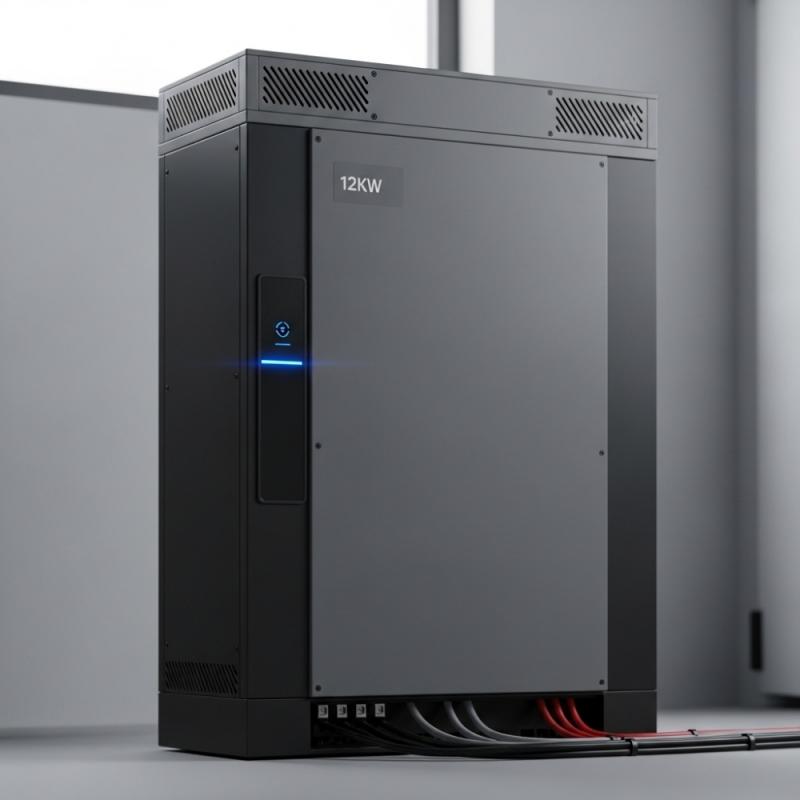
From VoltaLink’s perspective, a customized residential battery should start with the application requirements first, then move into PACK architecture, BMS configuration, enclosure design, and manufacturing validation.
What Can a China Lithium Battery Factory for Home Storage Customize?
Professional customization goes well beyond housing color or private-label branding.
| Engineering Area | Typical Options | Main Design Impact |
| Battery Capacity | 5–30+ kWh | Backup duration |
| Nominal Voltage | 48V / 51.2V / HV | Current and inverter matching |
| Cell Capacity | 100Ah–314Ah+ | PACK size and energy density |
| Discharge Current | 100A / 200A / 300A+ | Peak power capability |
| Enclosure | Wall, floor, rack, stackable | Installation and serviceability |
| Communication | CAN / RS485 / RS232 | Inverter compatibility |
| Expansion | Parallel / modular | Future capacity |
| BMS Logic | Protection and communication | System safety and control |
A qualified China Lithium Battery Factory for Home Storage should therefore treat electrical, mechanical, and communication parameters as one system.
Battery Capacity Must Be Calculated From the Load
The starting point is energy demand.
Battery Energy (kWh) = Nominal Voltage × Capacity (Ah) ÷ 1,000
For example:
51.2V × 314Ah ≈ 16.07kWh
But 16.07kWh nominal energy does not mean the home can use the full 16.07kWh.
Engineers also need to consider:
• Depth of discharge
• Minimum reserve SOC
• Inverter efficiency
• Cable and conversion losses
• Battery aging margin
• Average household load
• Required backup hours
For preliminary sizing:
Required Battery Capacity ≈ Average Load × Backup Time ÷ System Efficiency
A household using 2kW continuously for five hours requires roughly 10kWh of delivered energy before reserve margin and conversion losses are included.
Energy and Power Are Different
This distinction is critical when working with a China Lithium Battery Factory for Home Storage.
• kWh determines runtime
• kW determines instantaneous power
• Battery current determines whether that power can actually be delivered
A large-capacity battery with an undersized BMS may still fail to support high-power household loads.
Voltage Architecture Directly Affects Current
51.2V is common in residential LiFePO₄ systems because a typical 16-cell series configuration uses cells with a nominal voltage of approximately 3.2V.
However, voltage selection must be linked to system power.
Power = Voltage × Current
For a theoretical 10kW output:
10,000W ÷ 51.2V ≈ 195A
Actual system current may be higher after losses are considered.
This affects:
• BMS current rating
• Cell C-rate
• Copper busbar size
• Cable cross-section
• Fuse selection
• Connector rating
• Terminal temperature rise
Low Voltage vs. High Voltage
| Design Factor | 48V / 51.2V | High Voltage |
| Current at same power | Higher | Lower |
| Cable size | Larger | Smaller |
| Expansion | Parallel | Series/modular |
| Control complexity | Lower | Higher |
| Typical use | Residential | Large residential / C&I |
| Inverter | LV inverter | HV inverter |
Not all batteries with high voltage are optimized for every tool. Your choice in voltage at the China Lithium Battery Factory for Home Storage will be contingent upon inverter design, total power level, installation considerations, capacity needs and anticipated future growth.
Enclosure Design is Part of Battery Engineering
While home batteries may look simple externally, enclosure design impacts electrical safety, thermal behavior, ease of installation, and equipment service life.
Wall Mounted Batteries
Wall mounted batteries are ideal for small form factor home installations, but should still go through some engineering analysis, such as:
Wall load capacity
• Mounting bracket strength
• Battery center of gravity
• Direction of cable entry
• Ease of installation
• Service access
Floor Standing Batteries
These are better for heavier battery load and larger Ah configurations.
Key considerations include:
• Anti-tip design
• Bottom structural support
• Transport handling
• Terminal accessibility
• Maintenance clearance
Stackable Batteries
Stackable systems provide flexible capacity expansion, but they require more than mechanically placing modules together.
The China Lithium Battery Factory for Home Storage must also manage:
• Module voltage consistency
• SOC synchronization
• Current sharing
• Inter-module communication
• Parallel protection
• New and aged module compatibility
VoltaLink develops wall-mounted and modular residential storage architectures so enclosure selection can be matched to both installation and expansion requirements.
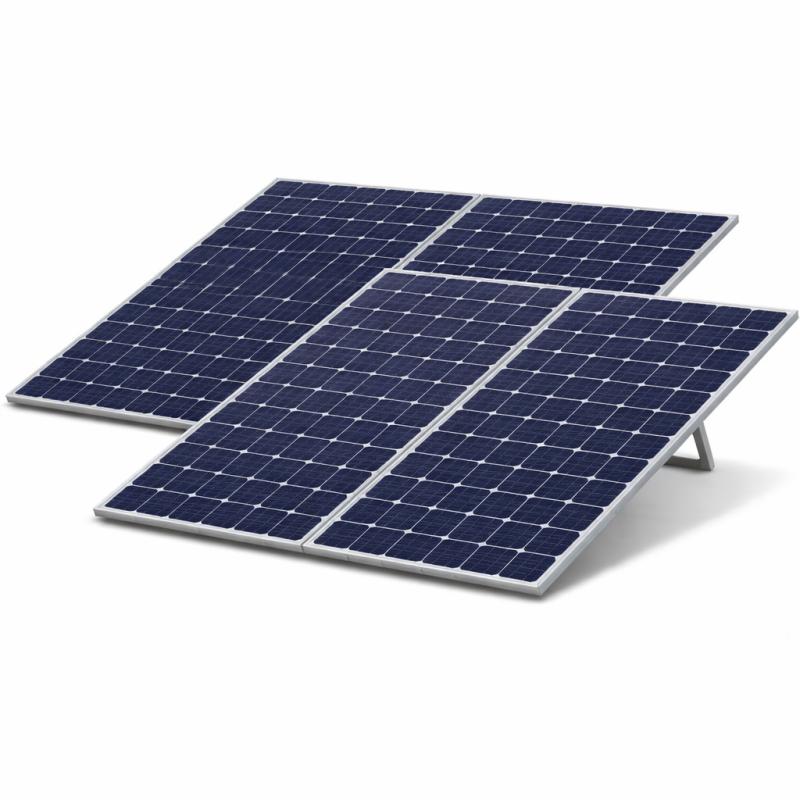
Cell Matching Determines PACK Consistency
One weak or mismatched cell can restrict the usable performance of an entire series-connected battery.
Before PACK assembly, important cell parameters include:
• Capacity
• Open-circuit voltage
• Internal resistance
• Self-discharge behavior
• Production batch consistency
Poor matching can cause individual cells to reach upper or lower voltage limits earlier than the rest of the pack, forcing the BMS to stop charging or discharging prematurely.
This reduces usable capacity even when the battery’s nominal kWh remains unchanged.
BMS Customization Must Match the Inverter
BMS integration is another major responsibility of a China Lithium Battery Factory for Home Storage.
A residential BMS typically manages:
• Cell voltage protection
• Pack overvoltage and undervoltage
• Charge/discharge overcurrent
• Short-circuit protection
• Temperature protection
• SOC calculation
• Cell balancing
• Charge and discharge current limits
Communication usually uses CAN, RS485, or RS232.
However, supporting CAN does not automatically mean two products are compatible. The inverter and battery must understand the same communication protocol and data mapping.
OEM buyers should therefore provide:
• Inverter brand
• Exact inverter model
• Communication protocol
• Maximum charge current
• Maximum discharge current
• Required CAN/RS485 mapping
VoltaLink combines battery PACK, BMS, inverter, EMS, and residential storage development, which allows communication issues to be addressed at system level rather than after assembly.
A Custom Battery Must Be Validated Before Mass Production
A professional manufacturing process should include more than a final voltage check.
Cell-Level Verification
• Capacity sorting
• Voltage measurement
• Internal resistance matching
• Appearance inspection
PACK-Level Verification
• Insulation resistance
• Charge/discharge capacity
• BMS protection thresholds
• Temperature monitoring
• Communication verification
• Aging cycles
• Connector and terminal checks
System-Level Verification
Where required, VoltaLink can evaluate the battery together with the target inverter to verify charge limits, discharge limits, SOC reporting, alarms, and communication stability.
Standard Battery or Custom Battery?
| Project Condition | Standard Platform | Custom Design |
| Common 51.2V inverter | ✓ | |
| Small trial quantity | ✓ | |
| Standard indoor installation | ✓ | |
| Proprietary communication | ✓ | |
| Special dimensions | ✓ | |
| High discharge current | ✓ | |
| Private-label platform | ✓ | |
| Large distribution program | ✓ |
Customization is most valuable when the standard product creates an electrical, mechanical, communication, or commercial limitation.
What Should Buyers Send to the Factory?
To shorten engineering cycles, provide:
• Required usable kWh
• Peak and continuous load
• Backup time
• Inverter model
• Battery voltage
• Maximum charge/discharge current
• Installation method
• Maximum enclosure dimensions
• Indoor/outdoor environment
• Expansion requirement
• Target market
• Expected annual volume
This information allows a China Lithium Battery Factory for Home Storage to move from a general quotation to an engineering-based proposal.
Configure the Battery Around the Application
Residential battery design should follow a clear sequence:
Load → Runtime → Capacity → Voltage → Current → Inverter → BMS → Enclosure → Expansion → Validation
This is how VoltaLink builds customized residential energy storage solutions from the ground up. VoltaLink will not just look at the battery as a standalone PACK. They will look at cell configuration, BMS control, inverter communication, mechanical structures, and system expansion all at once.
For those complex integrations involving different levels of communication across BMS, capacity (voltage architecture) dimension, enclosure design, and/or modular expansion, please contact VoltaLink, and provide your target load, inverter model, preferred installation method, and dimension requirements to the engineering team.
FAQs
Q1. Does VoltaLink provide customized home energy storage batteries?
Yes. VoltaLink supports residential battery customization based on required capacity, voltage architecture, discharge current, enclosure format, BMS configuration, inverter compatibility, and expansion needs.
Q2. What information should I provide VoltaLink for a custom home battery project?
Buyers should provide the target kWh, peak and continuous load, inverter model, battery voltage, charge/discharge current, installation method, enclosure limits, expansion requirements, and target market.
Q3. Can VoltaLink customize 48V or 51.2V LiFePO₄ batteries?
Yes. VoltaLink develops low-voltage LiFePO₄ battery solutions, including 51.2V architectures commonly used with residential hybrid inverters and solar energy storage systems.
Q4. Can VoltaLink customize the battery capacity for different homes?
Yes. Battery capacity can be configured according to daily energy consumption, backup duration, PV system size, available installation space, inverter power, and future expansion requirements.
Q5. Does VoltaLink support wall-mounted and stackable battery designs?
Yes. VoltaLink’s residential energy storage portfolio includes wall-mounted and modular or stackable configurations for different installation and capacity requirements.

-

 OEM Residential Energy Storage Solutions: Passive vs. Active Cell Balancing
2026-09-30
-
 Smart Home Battery with BMS Communication: Cybersecurity and BMS Safety
 -
 10kWh Home Battery Backup System: Is 90% DoD Better for Daily Solar Storage?
2026-09-29
-
 Integrated Home Energy Storage System 150–430V MPPT Design
2026-09-28
-
 LiFePO₄ Residential Backup Battery SOC Accuracy in Parallel Systems
Share this:





.svg)






-899.svg)


