




How Smart BMS Protects Your Home Battery Storage System?
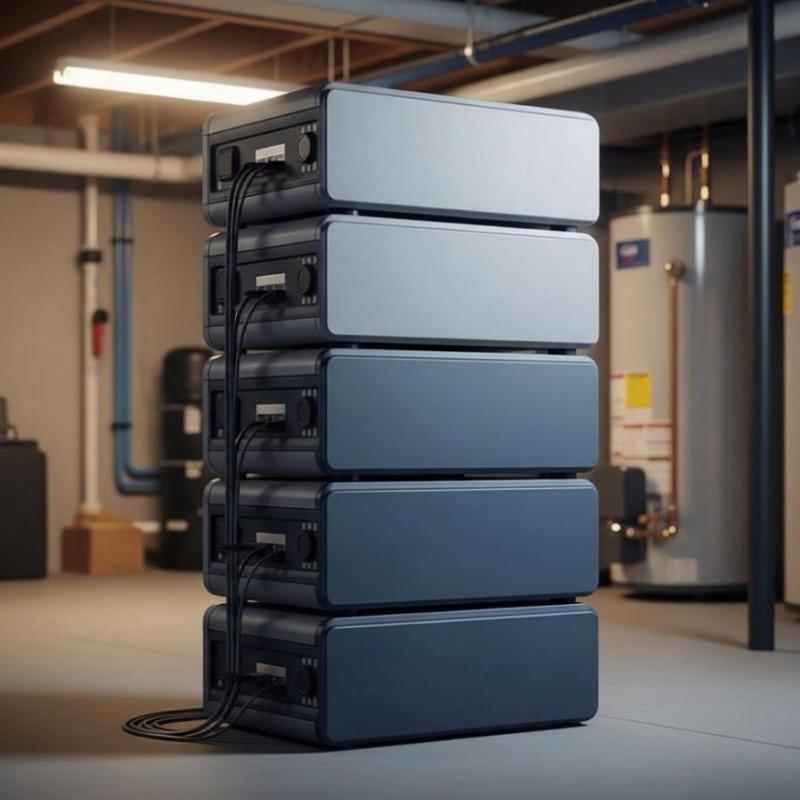
Solar panel usage continues to grow and with it a desire for energy independence. Smart Home Battery Storage has become part of modern living. However, to ensure safety, longevity, and reliability, a powerful storage battery is not enough. What you need to pair with a home energy storage system is a smart Battery Management System (BMS). This article explains how a smart BMS safeguards/ensures the structural and electrical safety of your system and why the VoltaLink Lithium Iron Phosphate 10kWh Stacked Energy Storage System is a perfect example for a best-in-class design and technology.
What is a Battery Management System (BMS)?
A battery management system (BMS) is part of a battery system in electronics that manages and controls a rechargeable battery. In Smart Home Battery Systems, BMS is the brain. A BMS manages a battery system by monitoring and controlling real time values of voltage, current, and temperature, and the state of charge. A LiFePO4 system battery without a BMS can be subjected to over charge, deep discharge and thermal runaway.
Why a Home Battery System Need an Advanced BMS?
Daily solar charged and nightly discharged (or vice versa) systems, like the VoltaLink 10kWh stacked system, present several challenges. The most prominent are:
• Current spikes: High currents can disturb connections and reduce cycle life due to heating.
• Temperature extremes: The high and low extremes can accelerate aging, cause overheating and thermal runaway, and reduce the usable capacity.
• Cell imbalance: Differences between cells can reduce the total energy and create unnecessary stress on the battery.
A smart BMS automatically handles these issues and makes certain that your Smart Home Battery Storage operates safely for a lot more than a decade.
Main Characteristics of a Smart BMS
The VoltaLink LiFePO4 10kWh stacked system features a multi-layer BMS and these core protections:
• Overcharge Protection: To prevent Electrolyte-gas Buildup, the BMS disconnects the charging circuit when any cell reaches the safe voltage limit.
• Over-discharge Protection: When the cell voltage reaches the low limit, the BMS prevents discharge to avoid damage to the cell.
• Overcurrent Protection: To protect the cells and the system, the BMS disconnects the circuit if the charging or discharging current exceeds the safe value.
• Short-Circuit Protection: A direct short can deliver thousands of amps; the BMS detects the sudden voltage drop and current spike, then disconnects the output before any heat damage occurs.
• Temperature Monitoring: Multiple NTC thermistors are placed on cells and busbars. If temperatures go outside -10°C to +50°C range, the BMS reduces current or shuts down completely. The VoltaLink system’s “Thermal Stability Engineering” further minimizes efficiency loss under varying indoor conditions.
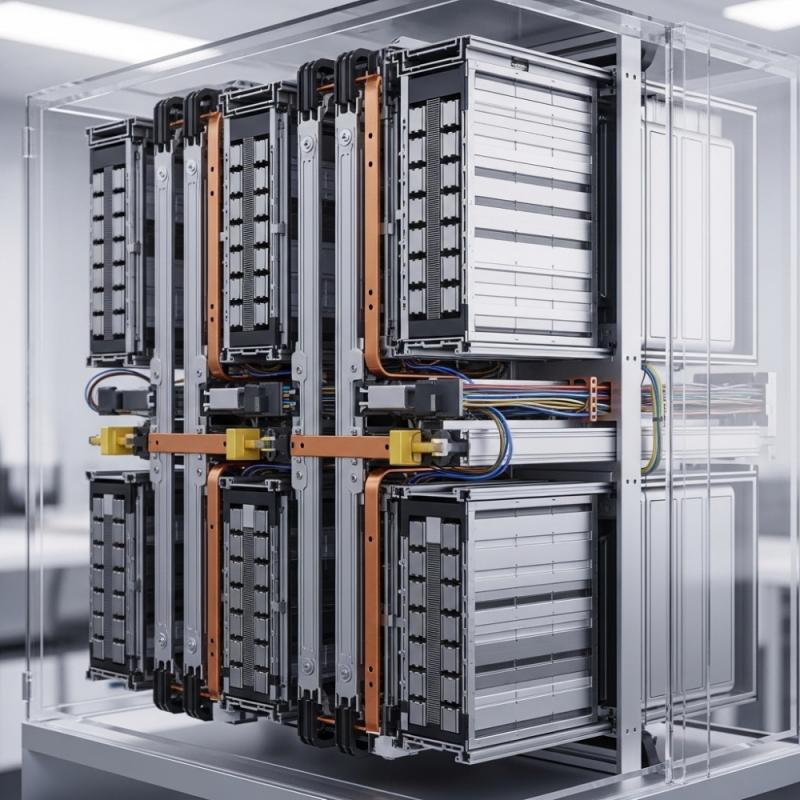
• Cell Balancing: balancing methods can be passive or active. The VoltaLink design integrates High Cell Consistency Control. Each balancing system is designed to perform a balancing procedure at the start of every charge in order to make the most capacity possible beneficial, while the modules are labeled and matched accordingly at the factory.
How Do VoltaLink’s Design and Technical Advantages Enhance BMS?
VoltaLink has developed specific combined hardware and software design features for their Lithium Iron Phosphate Battery 10kWh Stacked Energy Storage System, bringing the following advantages to the BMS:
• High Cell Consistency Control: Automated cell sorting and matching are accomplished for each battery module prior to the assembly of the modules. This assists in providing consistent energy delivery for all of the stacked modules and also decreases the balancing workload/responsibility of the BMS.
- • Our intelligent BMS features an advanced Automatic Parallel Synchronization algorithm. It instantly continuous-balances the dynamic internal resistance and State of Charge (SoC) between old and newly added modules , entirely eliminating high-current circulating risks for installers.
This allows for increased scalability of the System and eliminates complicated configurations.
• Deep Discharge (up to 90% DoD): The BMS allows deep daily discharges with strict protection of the maximum permitted discharge voltage. Homeowners benefit from more energy per cycle, with no loss of the 6000-cycle rating.
• Thermal Stability Engineering: The cells can safely operate between -10°C and 50°C , while our Thermal Stability Engineering ensures peak, un-degraded efficiency between 0°C and 40°C without active cooling. BMS temperature control logic is designed to work with the LiFePO4’s low thermal runaway.
• Long-Term Storage: BMS operates in a low-power mode with periodic self-checks when the battery is not used for extended periods. The self-discharge rating is less than 3% per month.
Real Time Monitoring and Remote Access
A smart battery management system (BMS) not only protects but also informs. With the VoltaLink system, homeowners have the option of communication modules (RS485, CAN, or Wi-Fi modules) to monitor their Smart Home Battery Storage via phone or web. Monitoring features include:
• State of Charge (SoC): Battery level determined from the percentage of energy remaining, with a 2% accuracy margin.
• State of Health (SoH): Indicates estimated capacity fade to assist in the determination of battery replacement.
• Alarm logs: Events of overvoltage, undervoltage or overtemperature are captured and time stamped.
• Remote firmware updates: The BMS can be improved and have new safety algorithms sent to it.
This level of transparency provides a means to manage your home storage system. It is also timely with the AI home energy management technology trend where charge and discharge schedules are optimized using weather forecasting and time of day energy pricing.
BMS and Cycle Life: Achievability of ≥6000 Cycles
VoltaLink 10kWh makes the claim of ≥6000 cycles at 80% depth of discharge. Cycle life is a metric of interest for home battery systems. What features of the BMS allow for this cycle life?
• Mitigation of micro-cycles: Charging and discharging to small levels (often the case with solar self-consumption) can damage battery cells. The BMS fills micro-cycles using intelligent hysteresis.
• The BMS restricts the peak charge to 100%. The BMS can implement “storage mode” which maintains the battery at 60-70% SoC when full range is not required. This effectively reduces the calendar aging of the battery.
• Balances at the top of charge: Most balancing at the top of charge ensures all cells are equally charged, avoiding any single cell from being overcharged.
With proper BMS management, the lifetime of a LiFePO4 Battery exceeds the warranty period, making Smart Home Battery Storage more economically viable.
Conclusion: Smart BMS as the Guardian of your Home Energy Independence
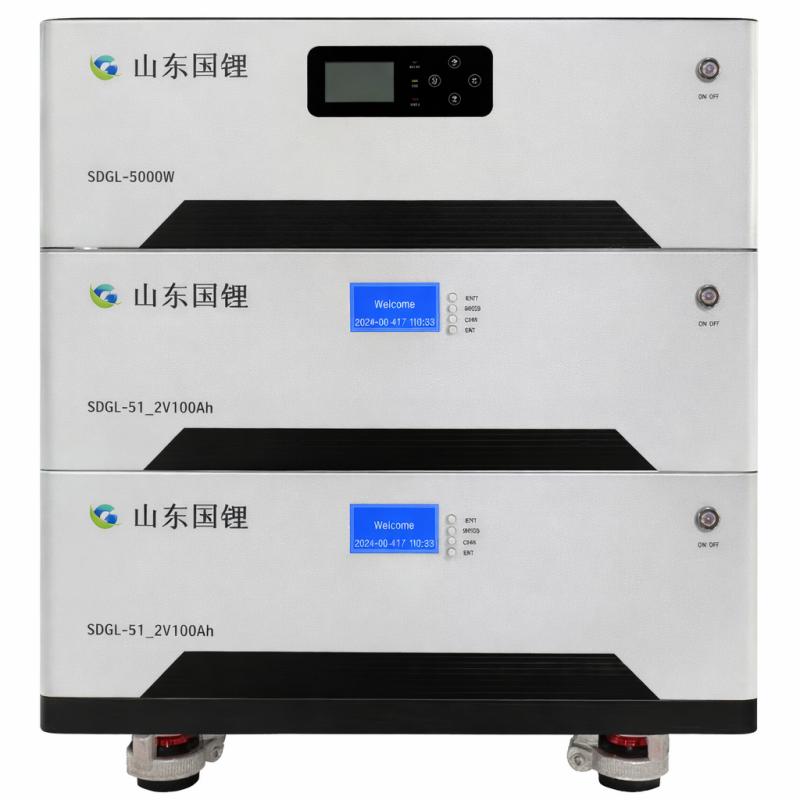
A high-capacity battery like the VoltaLink 10kWh System is impressive with 51.2V with 200Ah and a strong metal housing. The intelligent BMS is the real hero in the system. It defends against electrical, thermal, and mechanical dangers. It balances the cells and provides communication of important data to the Home Owner.
When searching for a Smart Home Battery Storage System, always inquire about Protection Features of the BMS, balancing, and the extent of remote monitoring. With VoltaLink Design and Technical Benefits, you have a modular stackable LiFePO4 Battery, and a silent guardian that will keep your home powered safely over the years.
FAQs
Q1. Will I be able to expand the VoltaLink 10kWh Stackable System in the future?
A: Yes, you will be able to add more modules to this design without having to replace the entire system.
Q2. Does the BMS have the capability to stop overcharging?
A: Yes, it will stop charging if any single cell has reached the safe limit for that cell.
Q3. Is it possible to monitor the status of the battery remotely?
A: Yes, it is possible to monitor the battery status in real time if you have connected through one of the optional communication interfaces (RS485, CAN, or Wi-Fi).
Q4: What is the battery life for this LiFePO4 battery in charge cycles?
A: Under standard home usage conditions, it lasts ≥6000 cycles.
Q5: Is the system safe to use in cold garages or hot attics?
A: Yes, the thermal stability engineering provides operational safety from -10°C to 50°C.

-

 OEM Residential Energy Storage Solutions: Passive vs. Active Cell Balancing
2026-09-30
-
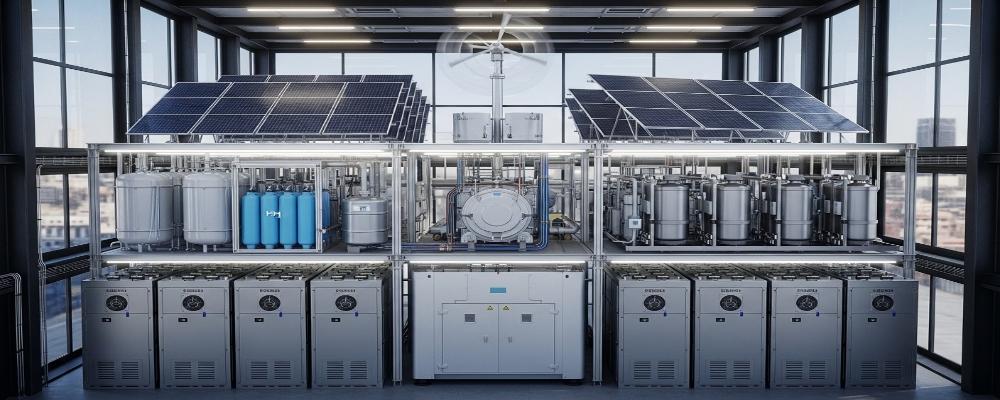 Smart Home Battery with BMS Communication: Cybersecurity and BMS Safety
 -
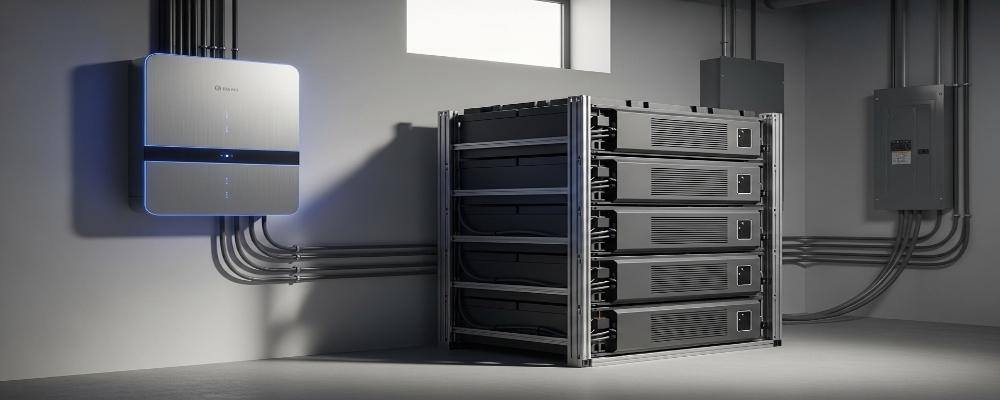 10kWh Home Battery Backup System: Is 90% DoD Better for Daily Solar Storage?
2026-09-29
-
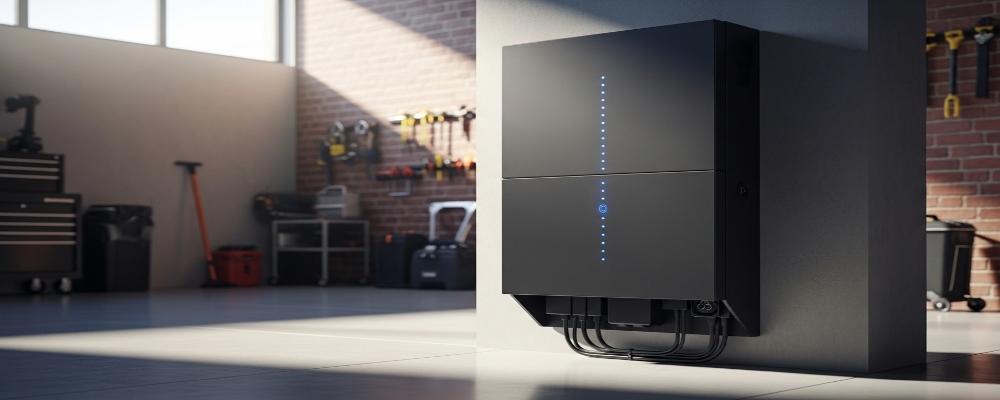 Integrated Home Energy Storage System 150–430V MPPT Design
2026-09-28
-
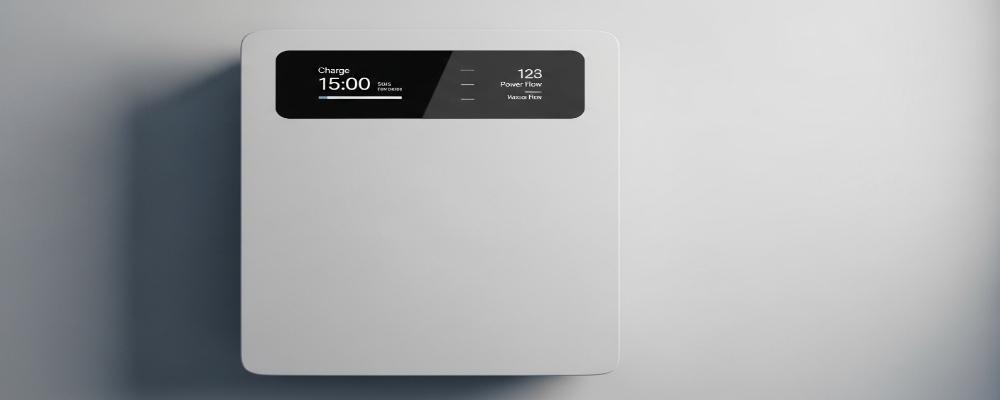 LiFePO₄ Residential Backup Battery SOC Accuracy in Parallel Systems
Share this:





.svg)






-899.svg)


