




Advanced Outdoor Energy Reservoirs for Reliable Power Supply
As modern society increasingly relies on remote and off-grid applications, energy continuity in outdoor environments has become a priority. An outdoor energy reservoir offers a strategic approach to storing and deploying electricity where conventional grid access is unavailable or unreliable. Unlike standard storage solutions, these reservoirs are specifically engineered to withstand environmental exposure, maintain operational stability, and provide flexible deployment across diverse locations.
The concept emphasizes resilience, scalability, and adaptability, ensuring that energy is available for emergency operations, remote infrastructure, or temporary installations. By designing energy storage as a modular, outdoor-ready solution, organizations can extend operational reach and reduce dependency on centralized power networks.
Redefining Remote Energy Access
Traditional power setups are limited by grid connectivity and environmental constraints. Outdoor energy reservoirs overcome these limitations by combining robust energy storage units with protective enclosures and advanced monitoring capabilities.
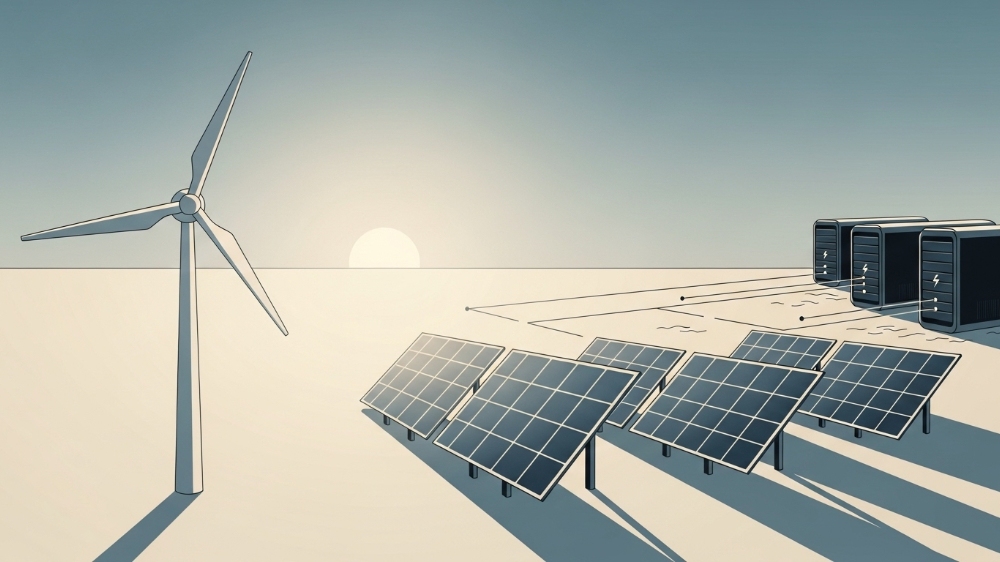
This design allows energy to be safely stored in exposed locations, from construction sites and temporary event venues to remote research facilities. The units are built to resist temperature fluctuations, moisture, dust, and other environmental stressors, ensuring consistent performance without the need for constant human intervention.
Modular Architecture for Flexible Deployment
Outdoor energy reservoirs are designed with modularity in mind. Individual units can be linked together to increase capacity or distributed strategically across multiple locations to meet specific operational demands.
This modular framework enables rapid deployment and reconfiguration without significant infrastructure changes. Whether powering off-grid lighting, communication equipment, or field machinery, each unit contributes to a coordinated energy strategy, maximizing both efficiency and reliability.
Adaptive Load Distribution and Energy Prioritization
Energy demands in outdoor applications can vary widely depending on operational context. Advanced reservoirs incorporate adaptive load distribution systems that prioritize critical devices while regulating non-essential consumption.
For example, field communication arrays, environmental monitoring equipment, or emergency lighting are maintained at full capacity, while auxiliary systems adjust automatically based on available energy. This intelligent allocation ensures continuous functionality even during periods of limited generation or storage.
Integration with Renewable Generation Sources
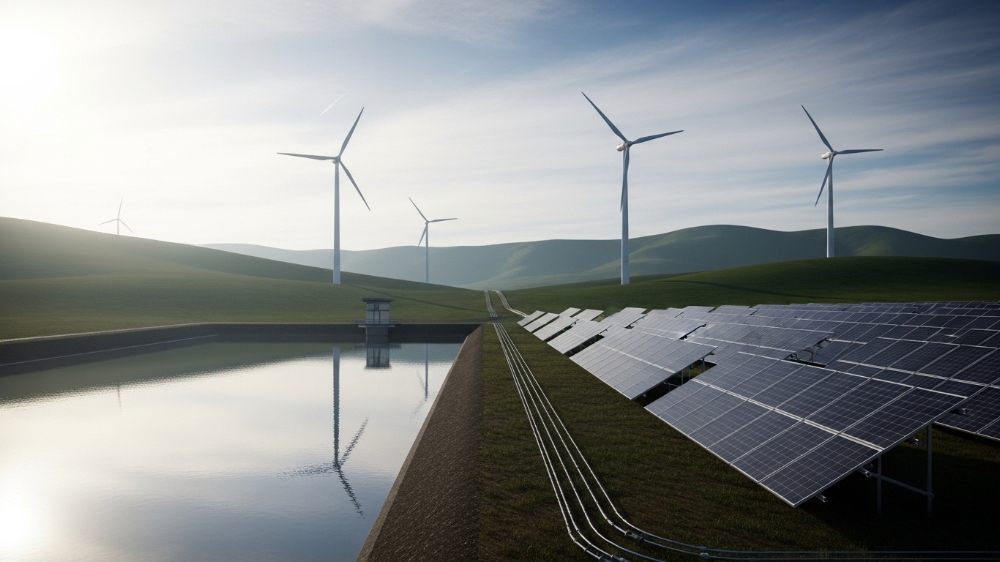
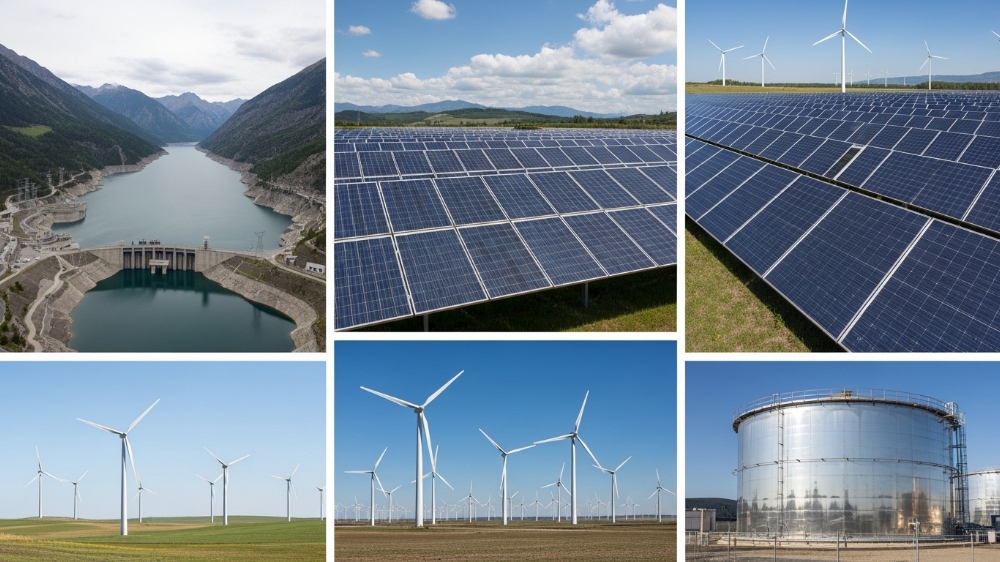
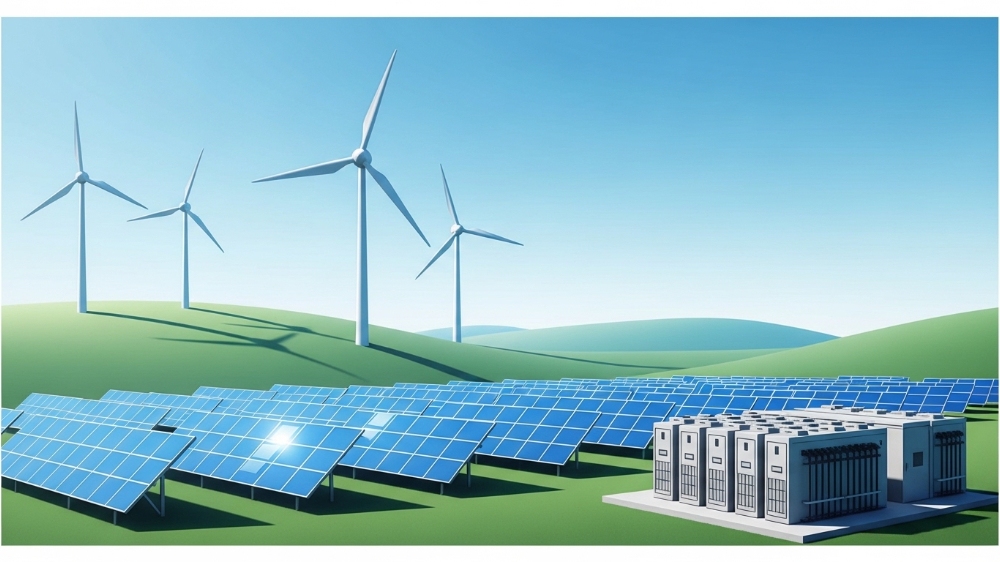
Modern outdoor energy reservoirs often integrate renewable generation assets such as portable solar arrays or wind micro-turbines. These hybrid systems capture local energy and store it for later use, reducing reliance on fuel-based generators and enhancing sustainability.
Through real-time monitoring and automated control, the system determines the optimal balance between generated power and stored energy, ensuring maximum utilization of renewable sources while maintaining operational readiness.
Autonomous Monitoring and Predictive Maintenance
Remote deployment requires minimal human oversight, which makes autonomous monitoring essential. Sensors embedded in outdoor reservoirs continuously track energy levels, environmental conditions, and system health. Predictive algorithms anticipate potential issues, trigger maintenance alerts, and adjust energy flow to prevent overload or depletion.
This proactive approach reduces downtime, enhances reliability, and extends the service life of outdoor energy assets. By leveraging digital insights, operators can maintain optimal performance without the need for frequent manual checks.
Scalable Solutions for Varied Operational Needs
Outdoor energy reservoirs are scalable to suit a range of scenarios, from temporary field operations to permanent off-grid installations. Additional units can be deployed to expand capacity or accommodate new equipment without reengineering the existing setup.
This scalability ensures that energy infrastructure evolves alongside operational demands, providing both immediate flexibility and long-term adaptability. Whether for emergency services, outdoor research, or mobile industrial applications, the reservoir framework can grow as needs change.
Operational Efficiency and Cost Effectiveness
Beyond resilience and flexibility, outdoor energy reservoirs improve operational efficiency and reduce costs. By combining energy buffering with intelligent distribution, the system minimizes wastage and maximizes utility from each stored unit of electricity.
Cost savings are further achieved by integrating renewables and reducing reliance on fuel-based generators. Over time, the combination of adaptive management, predictive maintenance, and renewable integration translates into lower operational expenditures while maintaining continuous power supply.
Environmental and Strategic Benefits
Deploying outdoor energy reservoirs also offers environmental advantages. By prioritizing renewable sources and efficient energy usage, carbon emissions are minimized compared to traditional generator-based solutions.
Strategically, these reservoirs allow organizations to extend operational reach, provide reliable backup for remote or temporary projects, and maintain energy independence in challenging environments. This combination of environmental responsibility and operational flexibility makes outdoor reservoirs an essential component of modern energy strategy.
Conclusion
Outdoor energy reservoirs represent a forward-looking solution for reliable power in remote, temporary, or environmentally exposed locations. By combining modular design, adaptive load management, renewable integration, and autonomous monitoring, these systems deliver scalable, resilient, and sustainable energy solutions.
Investing in outdoor reservoirs ensures operational continuity, reduces environmental impact, and provides flexible infrastructure capable of supporting diverse field applications today and in the future.
FAQ
Q1: What is an outdoor energy reservoir?
A: It is a weather-resistant energy storage unit designed for remote, temporary, or off-grid deployment.
Q2: Can these reservoirs work with solar or wind generation?
A: Yes, hybrid systems integrate renewable sources to store and optimize energy use.
Q3: How does adaptive load distribution help?
A: It ensures critical devices remain powered while non-essential loads are regulated during limited supply.
Q4: Are outdoor reservoirs scalable for larger operations?
A: Yes, modular units can be combined to expand capacity or support multiple locations.
Q5: How is system reliability maintained in harsh conditions?
A: Through durable construction, autonomous monitoring, predictive maintenance, and intelligent energy management.

-

 OEM Residential Energy Storage Solutions: Passive vs. Active Cell Balancing
2026-09-30
-
 Smart Home Battery with BMS Communication: Cybersecurity and BMS Safety
 -
 10kWh Home Battery Backup System: Is 90% DoD Better for Daily Solar Storage?
2026-09-29
-
 Integrated Home Energy Storage System 150–430V MPPT Design
2026-09-28
-
 LiFePO₄ Residential Backup Battery SOC Accuracy in Parallel Systems
Share this:






.svg)






-899.svg)


