




High-Capacity Telecom Towers: Optimizing Network Performance
As digital communication demand continues to grow,telecom operators face the challenge of maintaining robust network performance while expanding coverage.High-capacity telecom towers are engineered to meet these requirements, providing the structural and energy support necessary for high-density communication equipment. Unlike conventional towers, high-capacity solutions are designed to handle heavier loads, support multiple antennas, and integrate advanced energy management systems, ensuring uninterrupted service and enhanced operational efficiency.
These towers are particularly important in urban areas with dense network traffic or in regions where multiple carriers share infrastructure. By combining high structural capacity with intelligent energy systems, operators can maximize network uptime, improve signal reliability, and optimize maintenance efforts, all while preparing for future expansions.
Understanding High-Capacity Tower Solutions
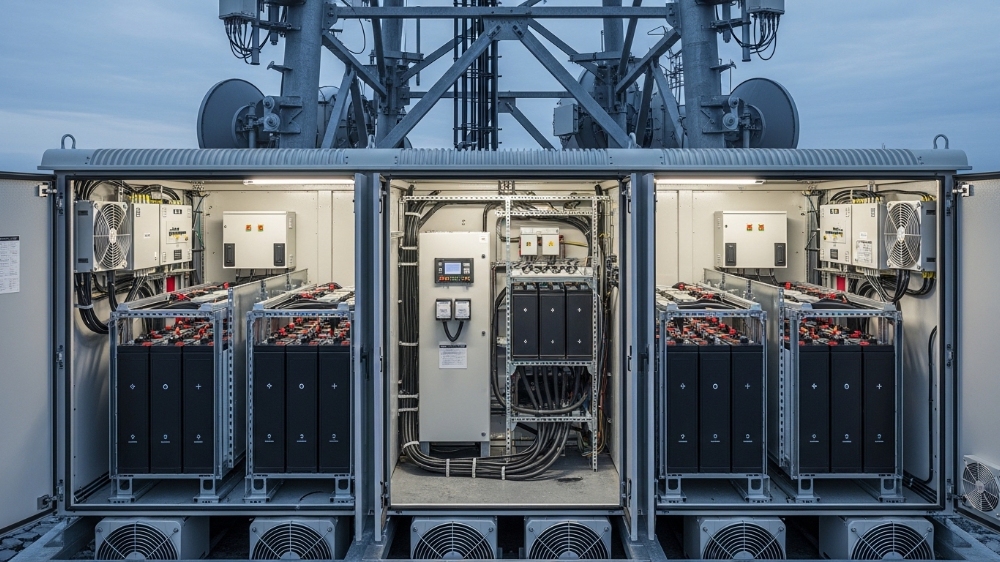
High-capacity towers are not just taller or stronger; they are strategically designed structures that can accommodate additional network equipment and advanced energy systems. Modern towers integrate hybrid energy solutions, combining battery storage, renewable sources such as solar or wind, and grid connectivity, managed by intelligent controllers.
This approach allows towers to operate efficiently under variable conditions and ensures continuity even during grid interruptions. Components such as modular battery arrays, smart energy converters, and remote monitoring units work together to deliver seamless performance and rapid response to changing energy demands.
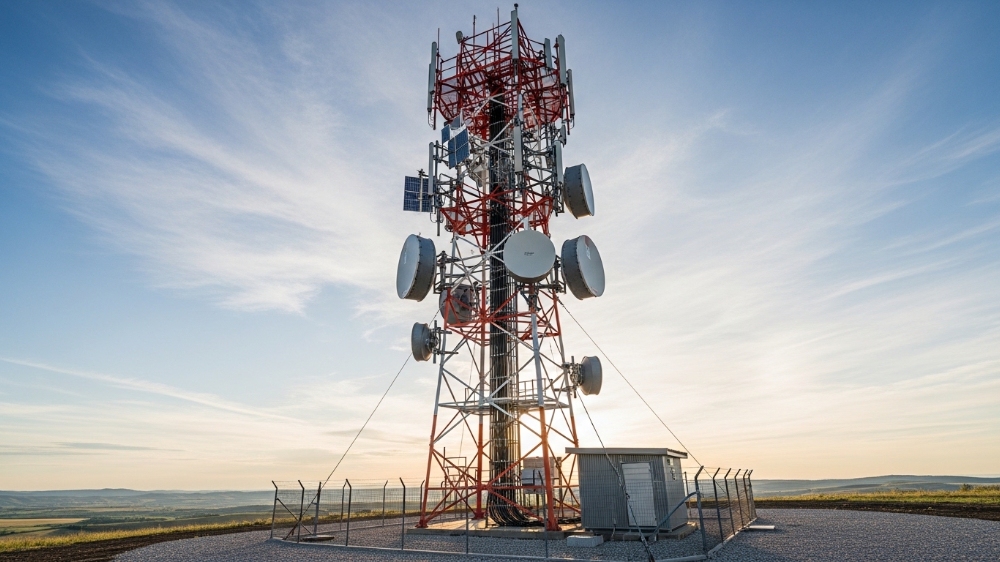
The Importance of Scalable Tower Infrastructure
Scalability is critical for modern telecom networks. High-capacity towers allow operators to add antennas, repeaters, and energy systems without major structural changes. This flexibility is essential in areas with rapid user growth or evolving technology standards such as 5G or beyond.
Reliable tower infrastructure ensures that network capacity meets demand at all times. Interruptions or inadequate tower capacity can result in dropped connections, slower internet speeds, and compromised communication services. High-capacity towers prevent these issues, supporting continuous operation and long-term network reliability.
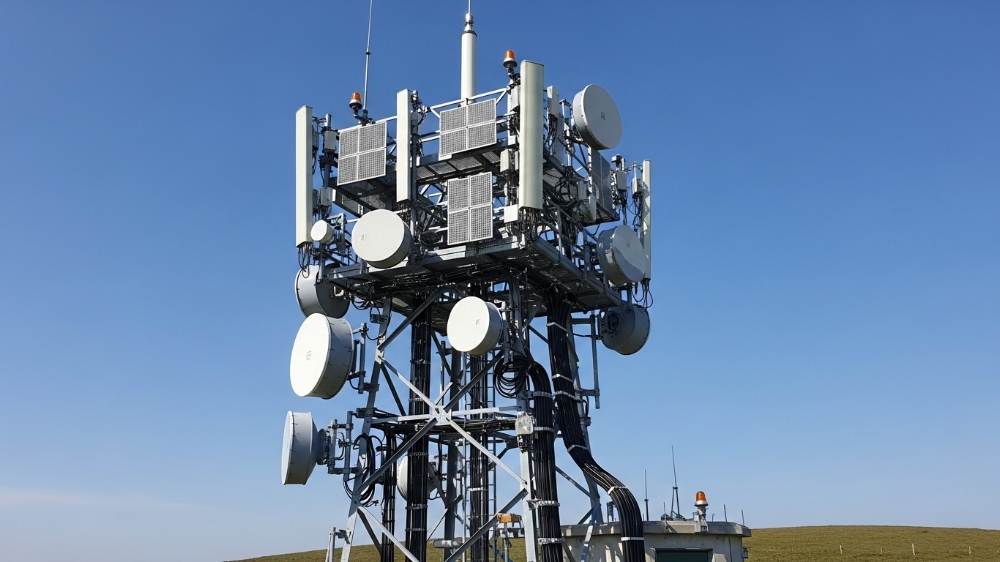
Key Features of High-Capacity Telecom Towers
Hybrid energy integration is a hallmark of modern high-capacity towers. These towers combine battery storage, renewable energy inputs, and grid connection to provide consistent and sustainable power. Intelligent energy management monitors real-time consumption, optimizes power distribution, and reduces operational inefficiencies.
Durability is another essential feature. Towers are designed to withstand extreme weather, temperature fluctuations, and environmental stressors. Modular design allows easy maintenance and the addition of new equipment without disrupting existing services. Remote monitoring capabilities provide real-time insights, enabling operators to anticipate maintenance needs and optimize energy use.
Applications in Telecom Networks
High-capacity towers support urban and suburban cellular networks, providing robust connectivity for densely populated areas. They are essential for data transmission nodes, facilitating high-speed internet and low-latency communication. Remote or off-grid installations benefit from integrated energy storage and renewable systems, ensuring service continuity where grid access is limited or unreliable. Emergency communication networks rely on these towers to maintain operational readiness during natural disasters or critical events, supporting rescue operations and public safety efforts.
Temporary deployment scenarios, such as festivals, construction sites, or emergency response operations, can also benefit from portable high-capacity towers. These systems provide immediate energy and connectivity solutions without long-term infrastructure investments.
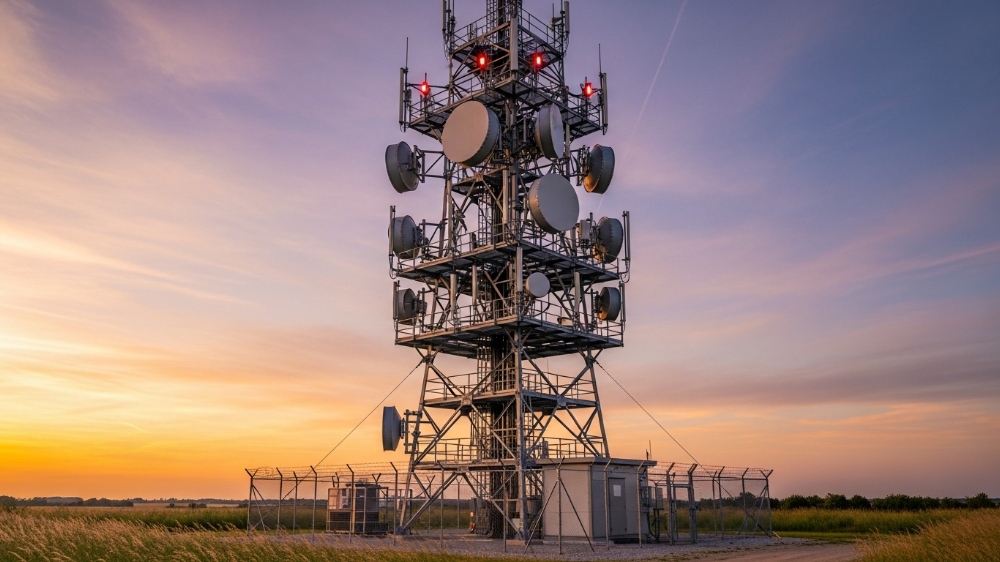
Advantages Over Traditional Tower Designs
High-capacity towers offer several advantages compared to conventional designs. They reduce the need for multiple smaller towers, optimizing land use and lowering construction costs. Integrated hybrid energy systems minimize fuel dependency, operational expenses, and carbon emissions. Modular and scalable design allows operators to adapt to future network expansions with minimal disruption. Intelligent monitoring systems improve efficiency, predict maintenance requirements, and enhance overall reliability, ensuring uninterrupted service to end-users.
Emerging Trends in High-Capacity Tower Technology
Artificial intelligence and machine learning are increasingly applied to optimize tower energy consumption and load management. Decentralized energy solutions allow towers to operate independently from the main grid while maintaining full functionality. Renewable energy integration is expanding, supporting sustainable operations and reducing reliance on diesel generators. Remote monitoring and cloud-based management tools streamline maintenance, improve efficiency, and enable predictive energy and performance analytics for network operators.
Conclusion
High-capacity telecom towers are essential for maintaining reliable, scalable, and efficient communication networks. By combining structural strength, hybrid energy integration, and intelligent management, these towers ensure uninterrupted network operation while supporting future growth and sustainability goals. Investing in high-capacity solutions enables telecom operators to optimize energy usage, reduce operational costs, and provide resilient connectivity for users in both urban and remote locations.
FAQ
Q1: What defines a high-capacity telecom tower?
A: It is a tower designed to support heavier equipment loads, multiple antennas, and advanced energy systems for uninterrupted service.
Q2: How do hybrid energy systems benefit towers?
A: They combine batteries, renewable sources, and grid supply to ensure reliable and efficient power management.
Q3: Are high-capacity towers suitable for remote areas?
A: Yes, integrated energy storage and renewable sources allow remote operation without relying on the main grid.
Q4: Can these towers be scaled for future expansions?
A: Yes, modular design and flexible infrastructure support additional antennas and equipment as network demand grows.
Q5: What are the main benefits of using high-capacity towers?
A: Benefits include uninterrupted service, operational efficiency, energy optimization, scalability, and environmental sustainability.

-

 OEM Residential Energy Storage Solutions: Passive vs. Active Cell Balancing
2026-09-30
-
 Smart Home Battery with BMS Communication: Cybersecurity and BMS Safety
 -
 10kWh Home Battery Backup System: Is 90% DoD Better for Daily Solar Storage?
2026-09-29
-
 Integrated Home Energy Storage System 150–430V MPPT Design
2026-09-28
-
 LiFePO₄ Residential Backup Battery SOC Accuracy in Parallel Systems
Share this:






.svg)






-899.svg)


