




Integrated Energy Storage Platforms for Unified Power Ecosystems
The transformation of modern energy environments has introduced a growing need for cohesion among diverse power sources. An integrated energy storage platform represents a holistic approach that unifies generation, buffering, and distribution into a synchronized operational model. Rather than treating each energy component as an isolated unit, this concept emphasizes coordination across the entire energy lifecycle, enabling more efficient and responsive power utilization.
Such platforms are designed to operate across residential, commercial, and industrial contexts, supporting a wide spectrum of energy inputs including renewable generation, utility supply, and localized backup resources. By aligning these elements into a cohesive structure, integrated solutions eliminate inefficiencies associated with fragmented energy handling and create a more adaptive power environment.
From Fragmentation to Cohesion in Energy Design
Traditional energy configurations often rely on disconnected components that function independently, resulting in limited visibility and reduced efficiency. Integrated platforms address this limitation by introducing a centralized orchestration layer that governs all energy interactions.
This architecture enables continuous synchronization between energy inflows and outflows, ensuring that available resources are allocated intelligently. Instead of reactive adjustments, the platform maintains a balanced state through constant evaluation of supply conditions and consumption demands. This shift from fragmentation to cohesion is fundamental to achieving higher operational performance.
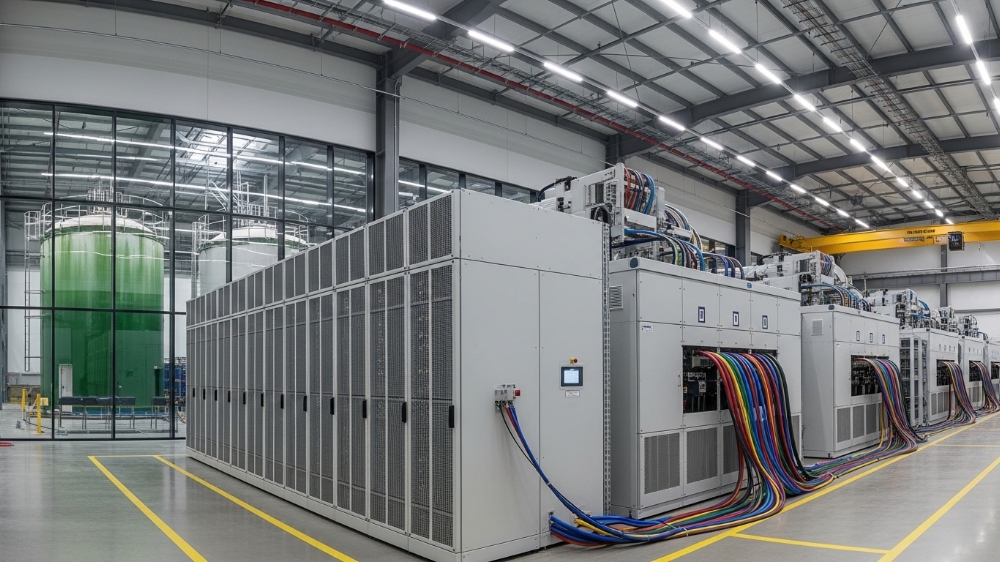
Multi-Source Coordination as a Core Principle
A defining aspect of integrated energy platforms is their ability to coordinate multiple power inputs simultaneously. These may include photovoltaic arrays, grid connections, and localized generation units. Each source contributes to the overall energy pool, and the platform determines how and when each should be utilized.
This coordination allows for dynamic transitions between sources without disruption. For example, locally generated power may be prioritized when available, while external supply is utilized strategically during periods of low generation. This ensures optimal use of all resources while maintaining stability across the system.
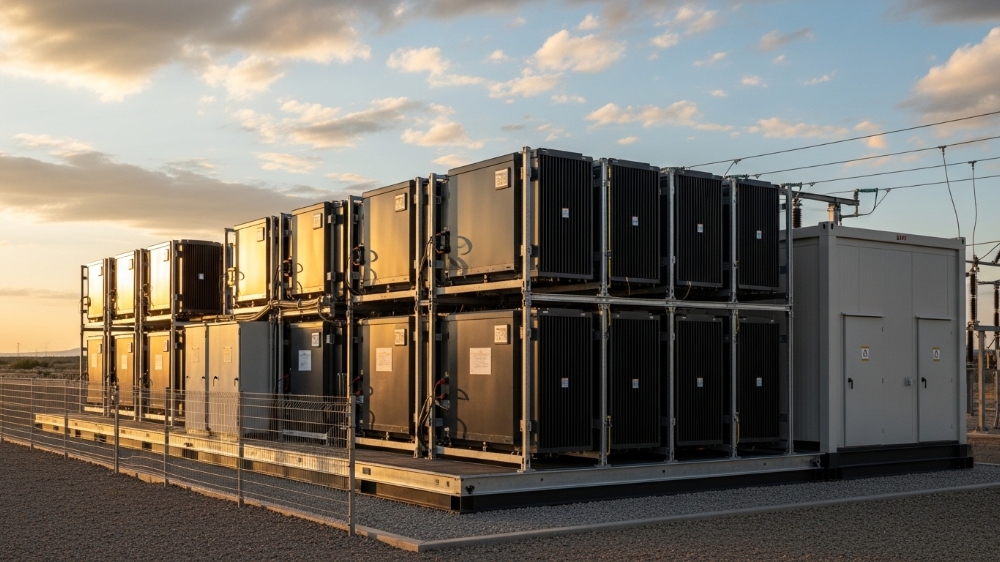
Energy Buffering and Demand Alignment
Energy buffering plays a critical role in aligning supply with demand. Instead of allowing surplus energy to go unused, integrated platforms temporarily hold excess output and release it when required. This capability smooths fluctuations and ensures consistent availability of electricity.
By aligning energy release with consumption patterns, the platform reduces stress on external supply networks and improves overall efficiency. It also enables more precise control over energy flows, ensuring that resources are neither overutilized nor wasted.
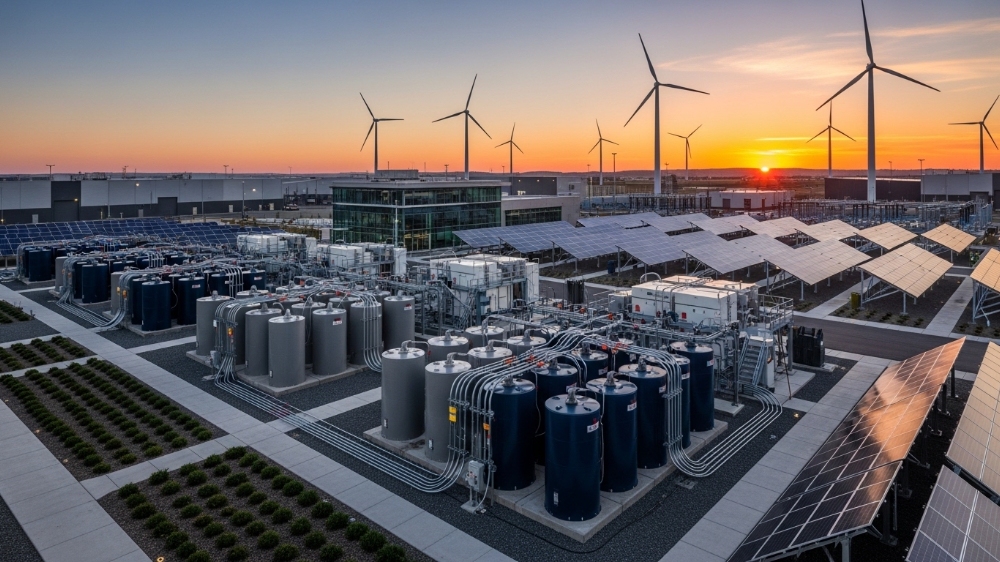
Digital Orchestration and Real-Time Adaptation
At the heart of integrated energy storage lies a digital orchestration engine that continuously processes operational data. This engine evaluates parameters such as load intensity, generation levels, and external conditions to determine the most effective energy pathways.
Real-time adaptation ensures that the system responds instantly to changing circumstances. Whether adjusting to sudden demand spikes or accommodating variations in renewable output, the platform maintains equilibrium through automated decision-making. This level of responsiveness enhances reliability and minimizes manual intervention.
Application Scenarios Across Diverse Environments
Integrated energy platforms are versatile and can be deployed in a variety of settings. In urban developments, they support high-density power requirements by coordinating multiple energy streams efficiently. Commercial facilities benefit from improved operational continuity and reduced reliance on external supply during peak periods.
Industrial environments utilize these platforms to maintain stable power conditions for critical processes, ensuring consistent productivity. Remote installations and infrastructure projects also gain significant advantages, as integrated systems provide dependable energy without requiring extensive grid connectivity.
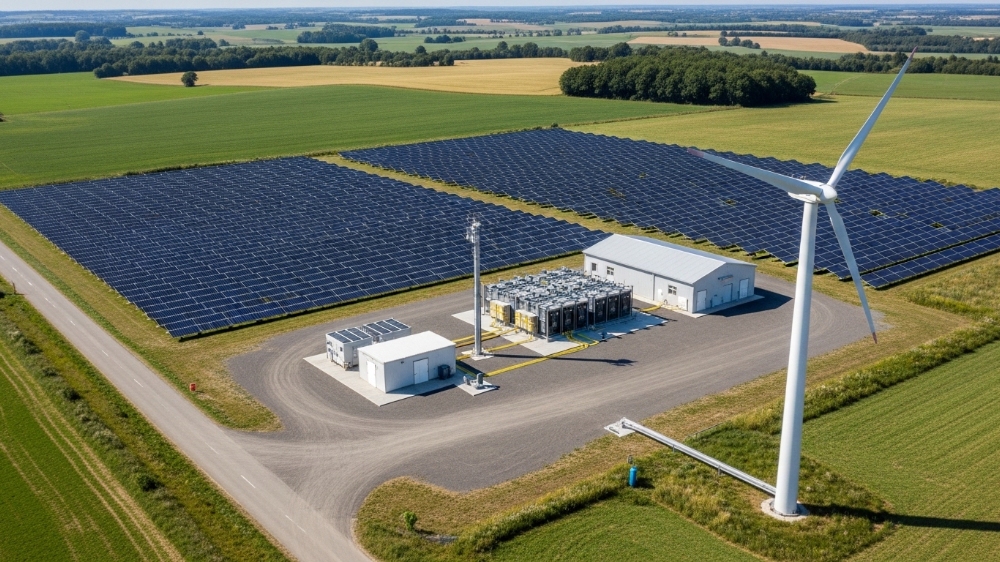
Scalable Infrastructure for Long-Term Adaptability
A key strength of integrated energy storage platforms is their ability to scale alongside evolving energy needs. The modular nature of the architecture allows additional components to be incorporated without disrupting existing operations.
As energy consumption patterns change or new technologies emerge, the platform can adapt by integrating additional sources or expanding its buffering capacity. This flexibility ensures that the system remains relevant over time, supporting both current and future requirements without extensive redesign.
Economic Optimization and Operational Efficiency
Integrated platforms contribute to cost efficiency by optimizing how energy is sourced and utilized. By coordinating multiple inputs, the system minimizes reliance on high-cost energy sources and maximizes the use of locally available power.
Operational efficiency is further enhanced through automated control, which reduces the need for manual oversight and minimizes energy waste. Over time, these improvements translate into lower operational expenses and a more sustainable energy model.
Future Outlook of Integrated Energy Platforms
The evolution of integrated energy storage is closely tied to advancements in digital technologies and decentralized energy networks. Future platforms are expected to incorporate more advanced analytics, enabling deeper insights into energy usage patterns and further optimization opportunities.
In addition, increased interconnectivity between systems will allow for energy sharing across multiple locations, creating collaborative energy ecosystems. These developments will redefine how energy is managed, moving toward more intelligent, flexible, and resilient infrastructures.
Conclusion
Integrated energy storage platforms represent a transformative approach to modern power management by unifying diverse energy elements into a cohesive and adaptive framework. Through multi-source coordination, energy buffering, and digital orchestration, these platforms deliver enhanced efficiency, reliability, and scalability.
As energy systems continue to evolve, adopting an integrated approach ensures that power infrastructure remains flexible, cost-effective, and capable of meeting future demands. This unified model not only improves current performance but also lays the foundation for a more sustainable and interconnected energy landscape.
FAQ
Q1: What is an integrated energy storage platform?
A: It is a unified framework that combines multiple energy sources and buffering capabilities into a coordinated power management solution.
Q2: How does multi-source coordination improve performance?
A: It allows different energy inputs to work together efficiently, ensuring optimal utilization and stable power delivery.
Q3: Why is energy buffering important?
A: Buffering stores surplus energy and releases it when needed, balancing supply and demand effectively.
Q4: Can integrated platforms adapt to changing energy needs?
A: Yes, their modular design allows expansion and integration of new components over time.
Q5: What are the main advantages of this approach?
A: Benefits include improved efficiency, reduced costs, enhanced reliability, and flexible scalability.

-

 OEM Residential Energy Storage Solutions: Passive vs. Active Cell Balancing
2026-09-30
-
 Smart Home Battery with BMS Communication: Cybersecurity and BMS Safety
 -
 10kWh Home Battery Backup System: Is 90% DoD Better for Daily Solar Storage?
2026-09-29
-
 Integrated Home Energy Storage System 150–430V MPPT Design
2026-09-28
-
 LiFePO₄ Residential Backup Battery SOC Accuracy in Parallel Systems
Share this:





.svg)






-899.svg)


