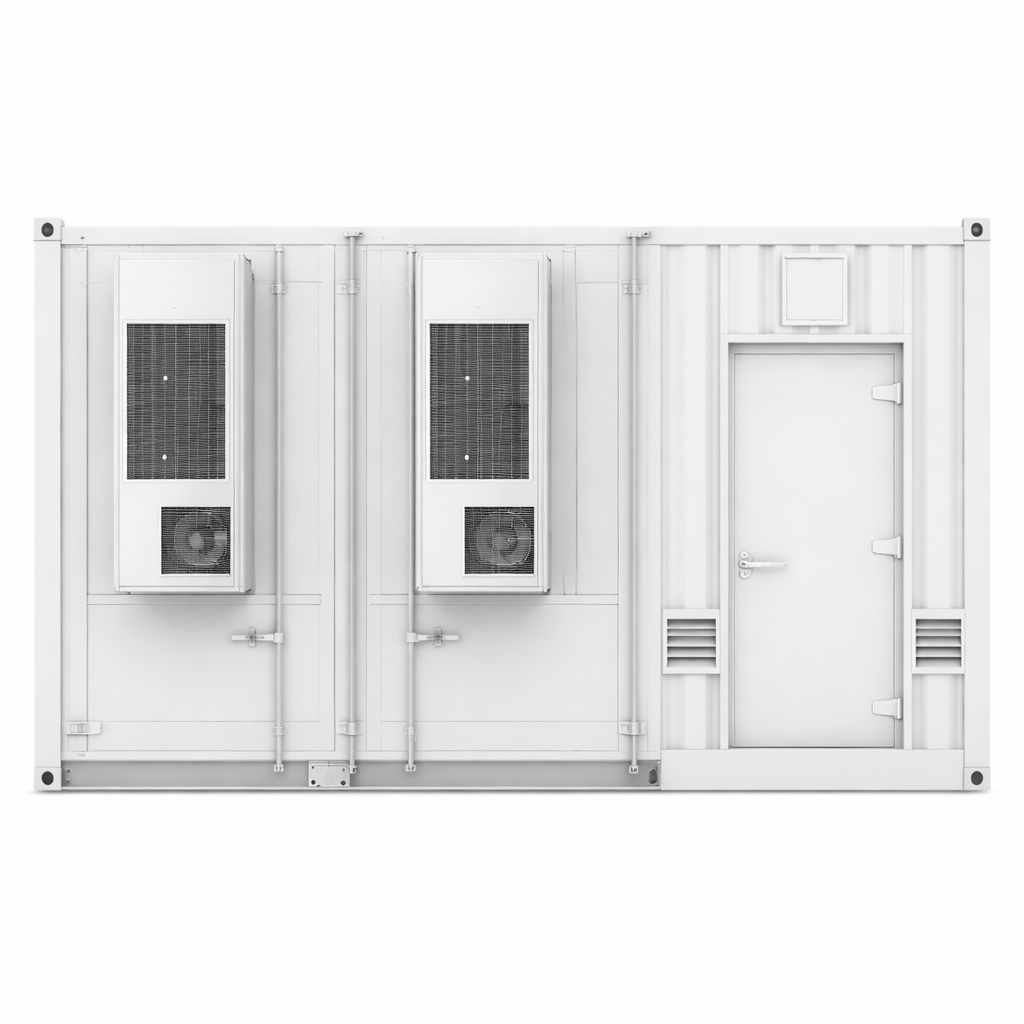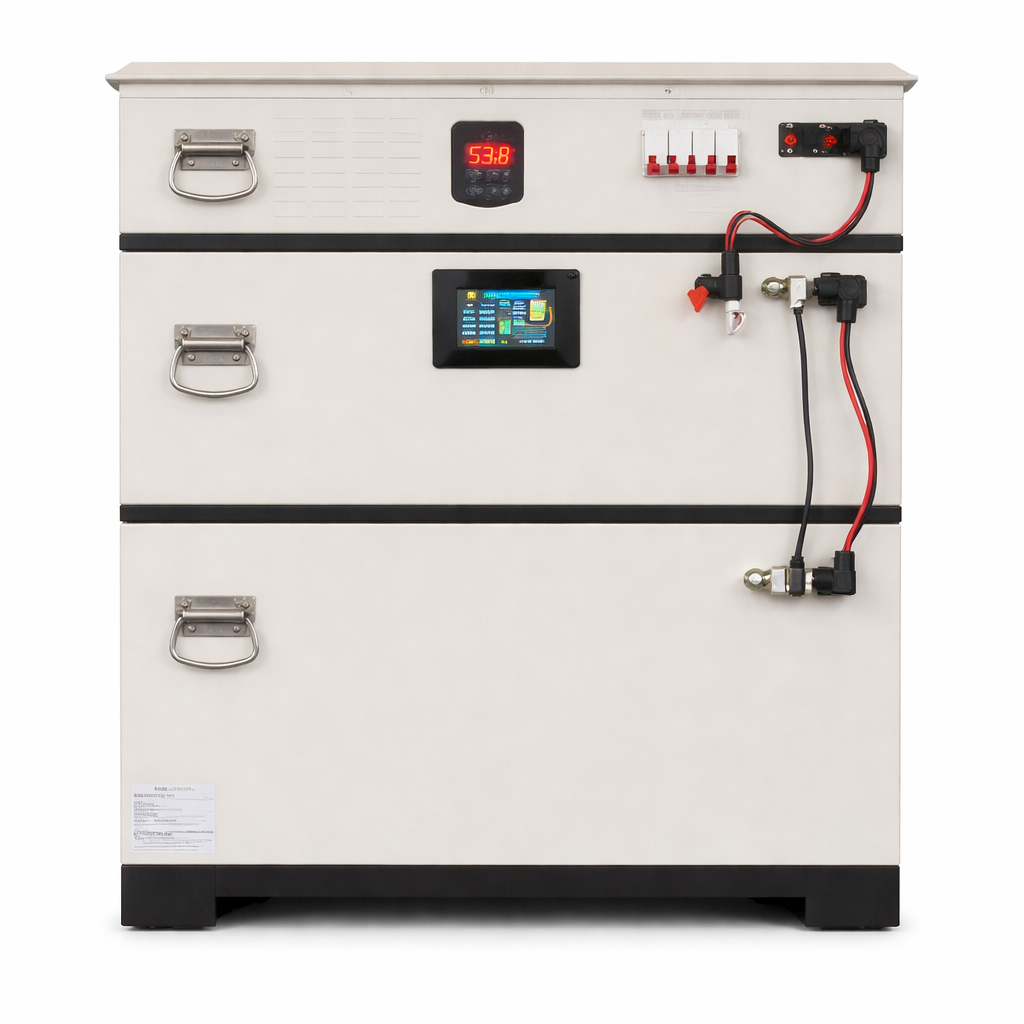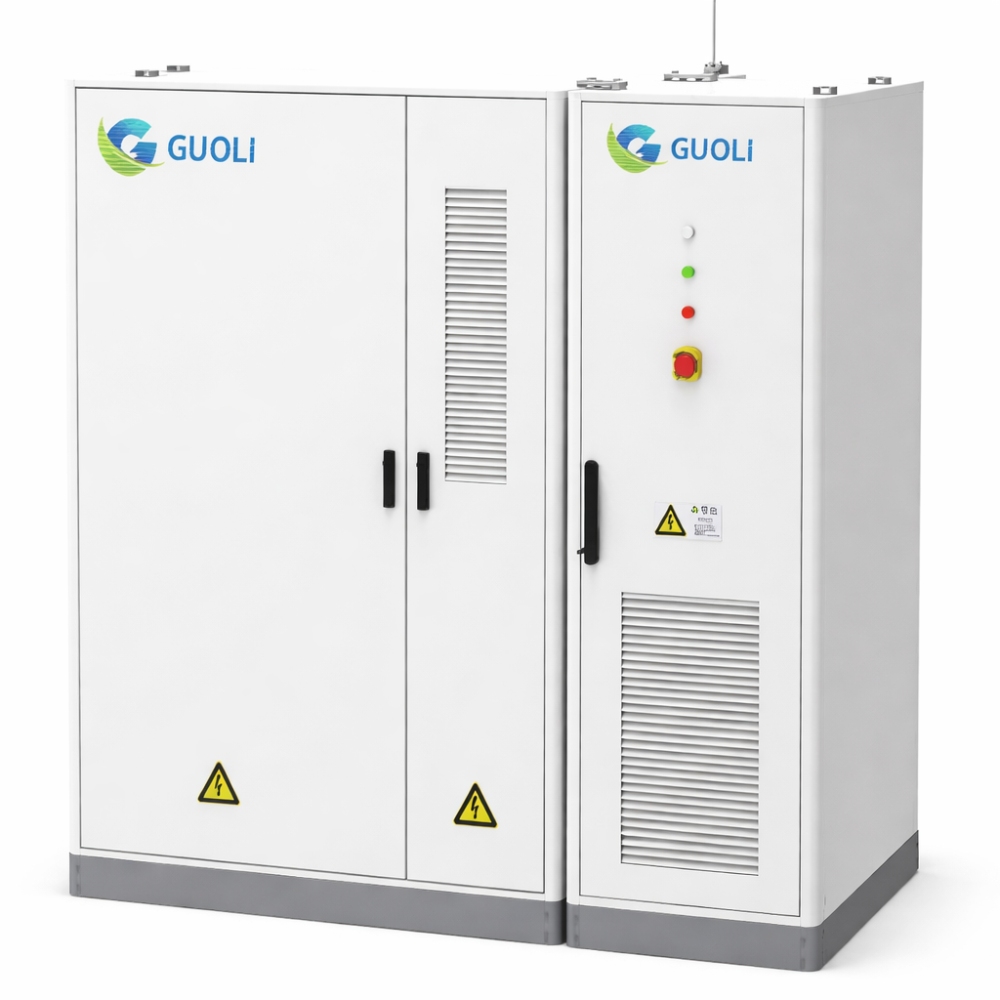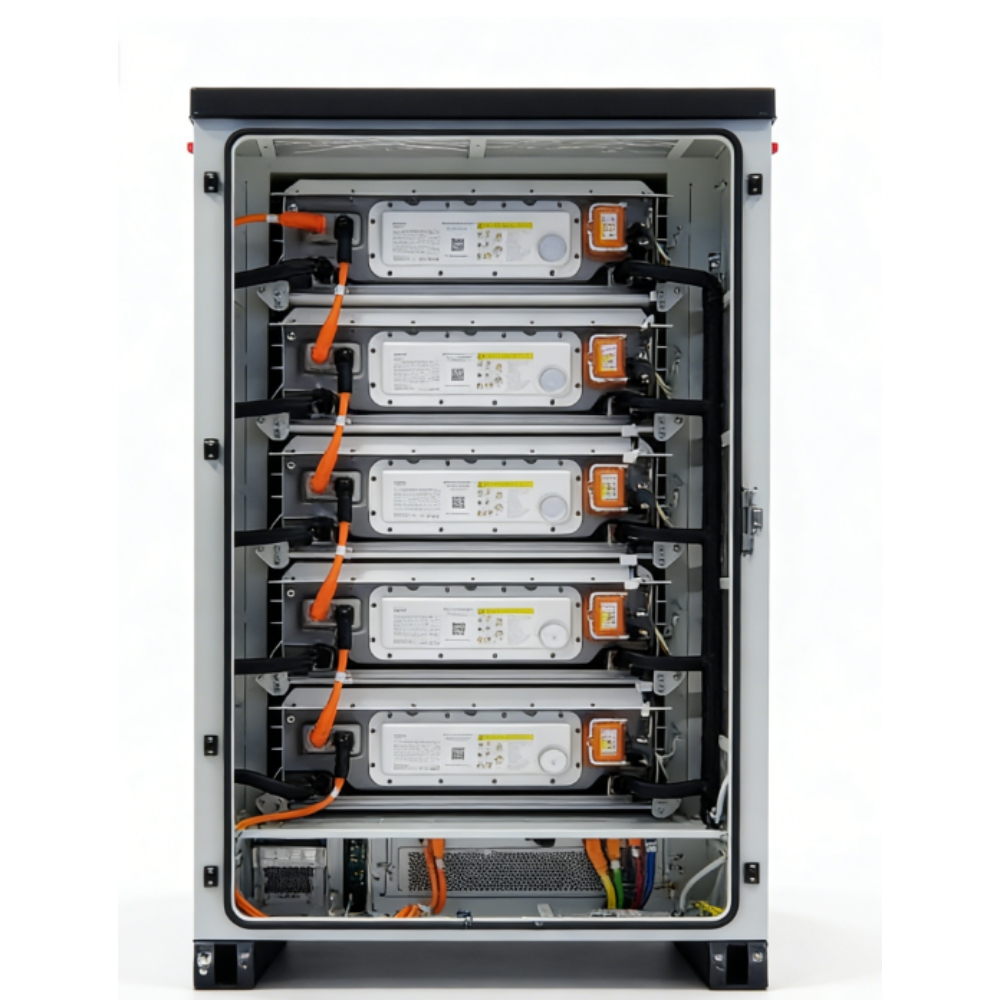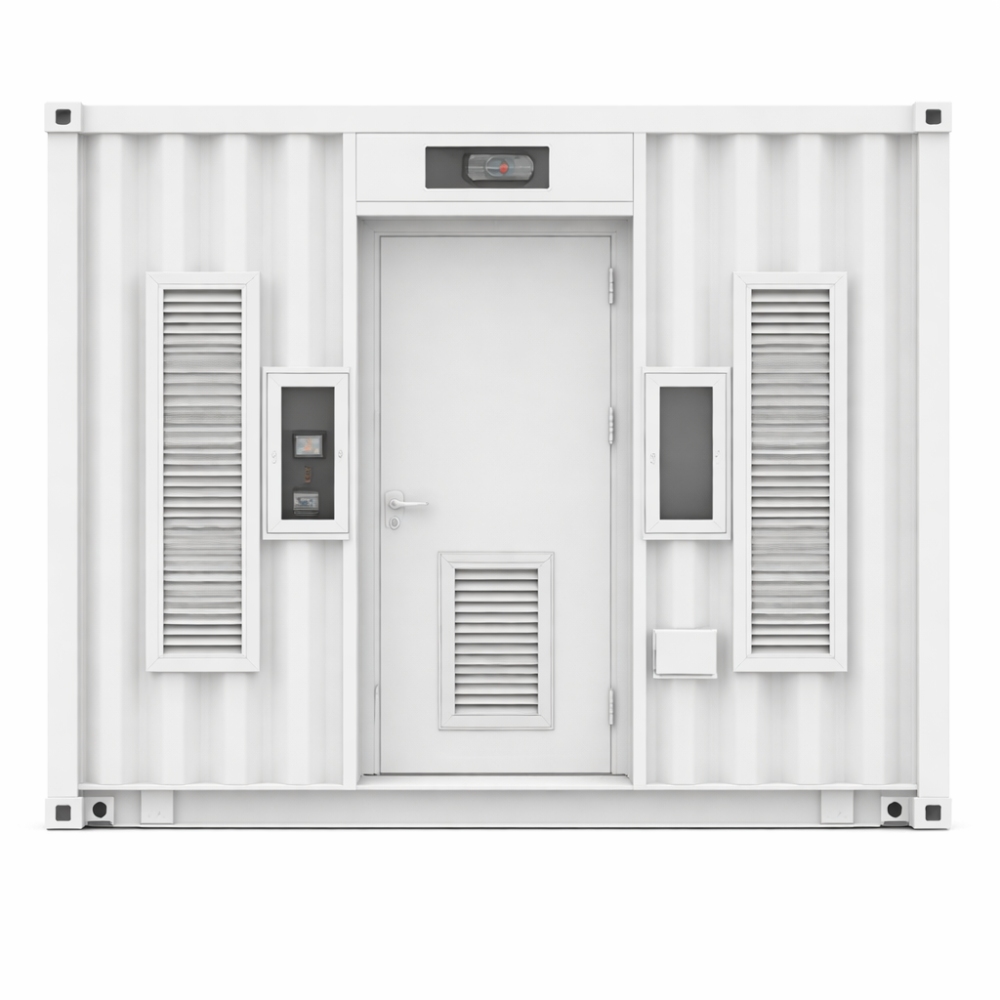
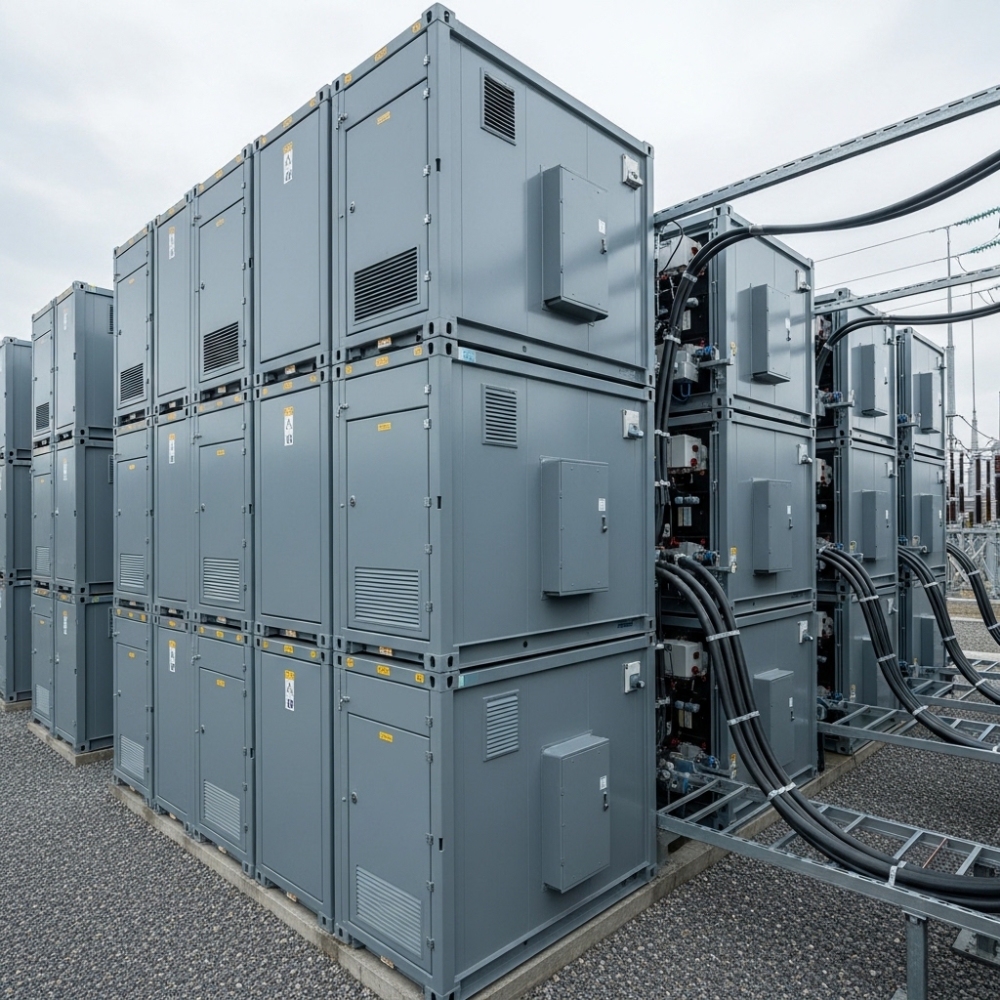
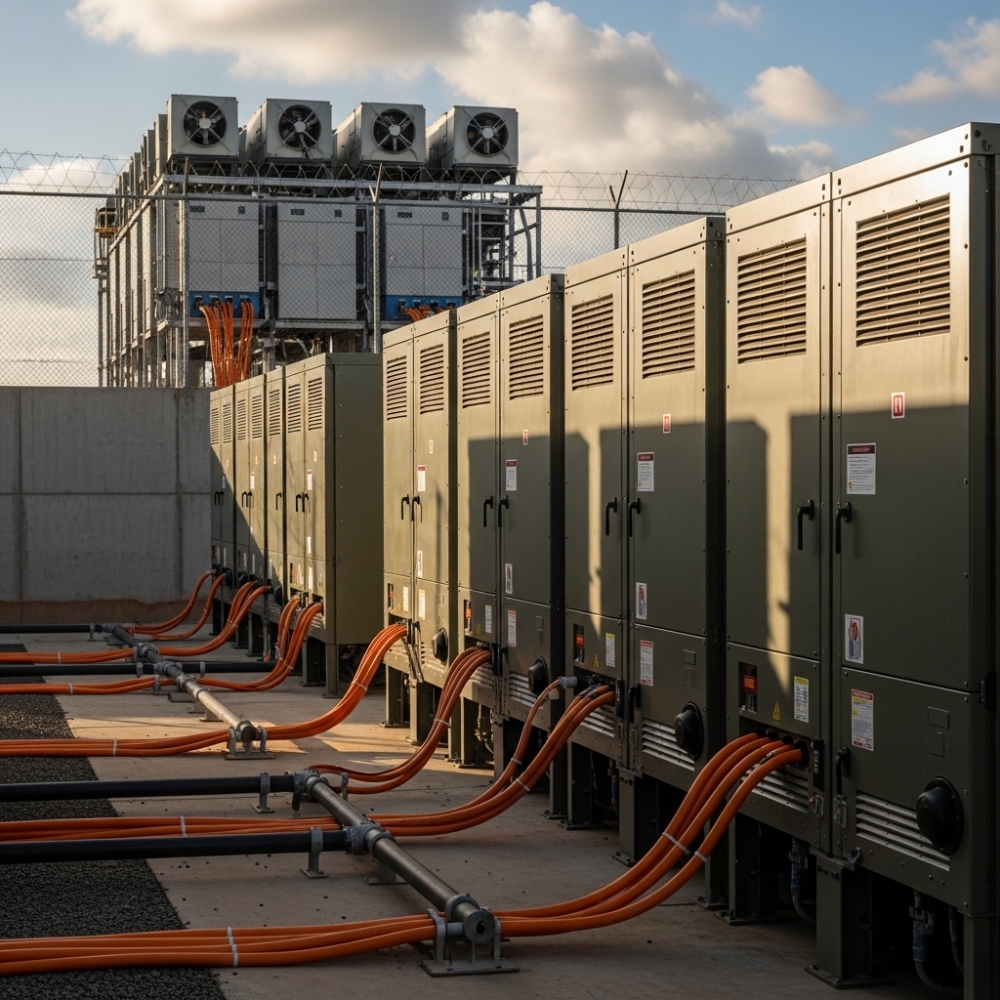
The container energy storage system is an integrated power solution designed for large-scale energy coordination and flexible deployment. It combines battery modules, control units, and power conversion equipment within a standardized container structure, enabling centralized energy handling. The system supports multiple operating modes and can interact with various power sources such as renewable generation and utility grids. Its modular layout allows capacity adjustment based on project requirements, while the built-in control platform manages energy flow and system status. This solution is suitable for projects that require stable electricity supply, fast installation, and adaptable energy management in complex operating environments.
| Item / Project | Specification / Parameter |
|---|---|
| Rated Energy | 1290 kWh |
| Charge/Discharge Power | 630 kW |
| Rated DC Voltage | 768 V |
| Rated AC Voltage | 400 V |
| AC Output Type | Three-phase, three-wire (Dy11) |
| Isolation Mode | Frequency Isolation |
| Switch Time | <20 ms |
| Operating Temperature Range | -10°C ~ +50°C |
| Operating Humidity Range | ≤90%, Non-Condensing |
| Operating Mode / Main Function | Grid AGC/AVC, Grid Peak Shaving, Wind and Solar Power Storage, Peak-Valley Arbitrage |
| Temperature Control / Heat Management | Air Conditioner + Fan + Heater |
| Fire Protection | Heptafluoropropane or Perfluorohexanone |
| Communication | IEC61850 + IEC104, Ethernet, RS485 |
| Dimensions | 6096 mm × 2438 mm × 2896 mm |
| Protection Degree | IP54 |
If you would like to explore the full capabilities of our container energy storage system, understand how it can enhance your energy efficiency, or discuss a customized configuration for your specific project needs, please feel free to contact our team for detailed information and professional guidance.
In today’s energy landscape, combining multiple power sources has become essential to ensure continuous, efficient, and eco-friendly electricity supply. Hybrid energy systems are designed to integrate renewable sources such as solar and wind with conventional power options like grid electricity or diesel generators. By leveraging a smart combination of energy inputs, these systems deliver consistent power for commercial, industrial, and remote applications, reducing reliance on a single source and enhancing operational stability. Adopting a hybrid energy solution helps organizations minimize energy costs, improve sustainability, and maintain reliable operations in varying conditions.
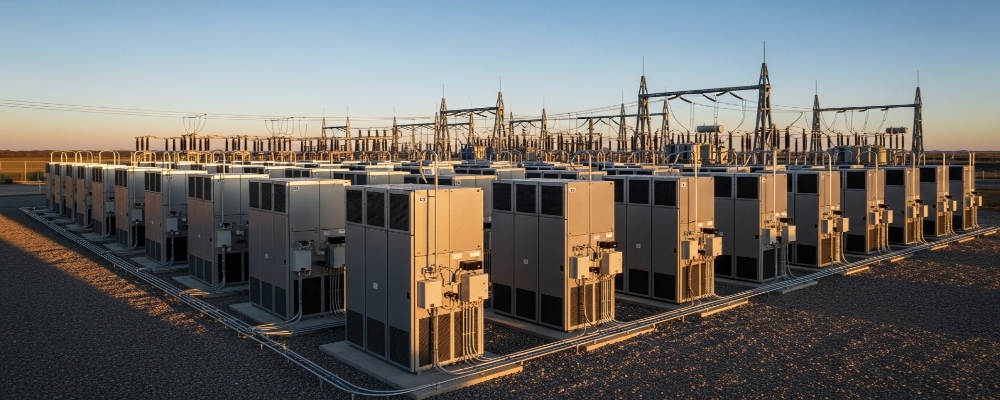
Hybrid energy systems are engineered to provide uninterrupted electricity for critical loads, even when one energy source is insufficient. Key aspects include:
These systems utilize intelligent control mechanisms to optimize energy consumption and reduce operational expenses. Key features include:
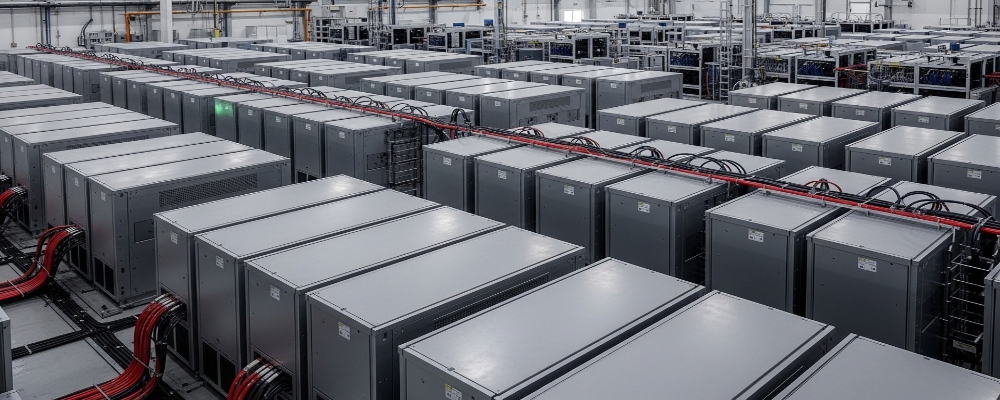
Hybrid energy systems are constructed to perform reliably under challenging environmental conditions. Key highlights include:
Ease of installation and upkeep is crucial, especially for remote or off-grid sites. Key advantages include:
Hybrid energy systems provide a comprehensive solution for reliable, efficient, and sustainable power supply. By combining intelligent energy management, robust design, and simplified maintenance, these systems ensure uninterrupted electricity for a wide range of applications, supporting both operational efficiency and environmental responsibility.
Hybrid energy systems integrate multiple power sources to provide reliable, cost-effective, and environmentally friendly electricity solutions. These systems are designed to combine renewable energy, such as solar and wind, with conventional power sources like diesel generators or grid electricity, ensuring continuous energy supply regardless of environmental conditions or grid availability. By optimizing energy mix and reducing reliance on a single power source, hybrid systems improve operational efficiency, lower costs, and enhance sustainability for commercial, industrial, and remote applications.
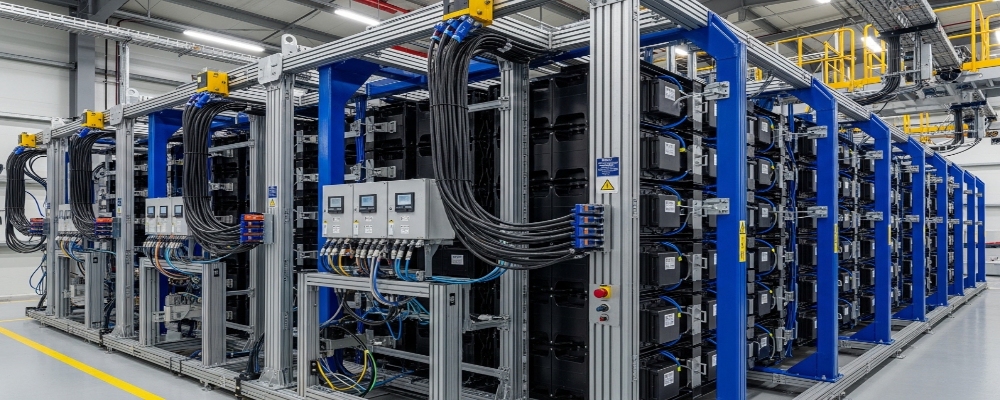
Hybrid energy systems rely on a combination of sophisticated components working together to deliver stable and efficient power.
Implementing a hybrid energy system provides multiple operational, financial, and environmental advantages for energy users.
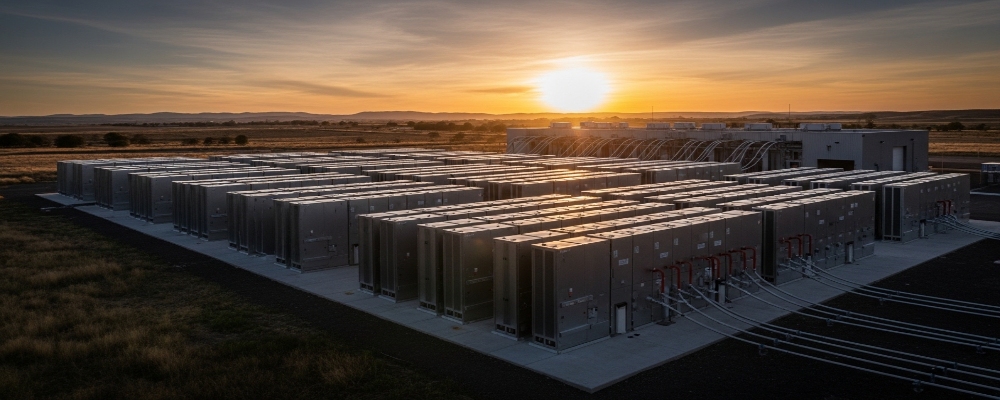
Hybrid energy systems are engineered to operate in diverse and challenging environments, ensuring consistent performance over time.
Hybrid energy systems are versatile and suitable for various commercial, industrial, and remote operations.
Q1: How long can a hybrid energy system supply power without grid support?
A1: Depending on system size, battery capacity, and load, hybrid systems can provide energy for several hours to multiple days.
Q2: Are hybrid systems difficult to install?
A2: No, modular designs, pre-configured components, and intelligent controllers make installation straightforward, even in remote or challenging locations.
Q3: Can these systems operate in harsh environmental conditions?
A3: Yes, durable enclosures, corrosion-resistant materials, and robust design ensure reliable performance in extreme weather.
Q4: What kind of maintenance is required?
A4: Automated monitoring, predictive maintenance alerts, and modular components reduce manual upkeep and minimize downtime.

Dynamically gives preference to solar, wind, or other renewable sources first, reducing dependence on fossil fuels and optimizing green energy usage without manual intervention.

Capable of linking multiple hybrid systems across different locations, coordinating energy distribution to maximize overall efficiency and reduce operational costs across a network.

Uses historical and real-time data to forecast potential component wear or failure, allowing proactive maintenance before issues occur, minimizing downtime.

Automatically reallocates stored energy between different loads or sites based on priority, ensuring critical operations remain powered even during peak demand or generation gaps.

Continuously analyzes energy production, consumption, and environmental conditions to refine system operation for maximum efficiency over time.

Allows operators to define priority levels for various equipment or processes, ensuring essential systems receive uninterrupted power while less critical loads are optimized for cost savings.
Hybrid energy systems are highly versatile and can be deployed across a wide range of environments and industries. They provide reliable electricity for remote communities, off-grid commercial and industrial sites, and critical infrastructure such as hospitals, data centers, and telecommunication networks. These systems support disaster relief operations and temporary installations, ensuring continuous power where conventional grids are unavailable or unstable. By integrating renewable and conventional energy sources, hybrid systems enable sustainable operations, reduce dependency on fossil fuels, and maintain uninterrupted functionality for energy-intensive and mission-critical applications.
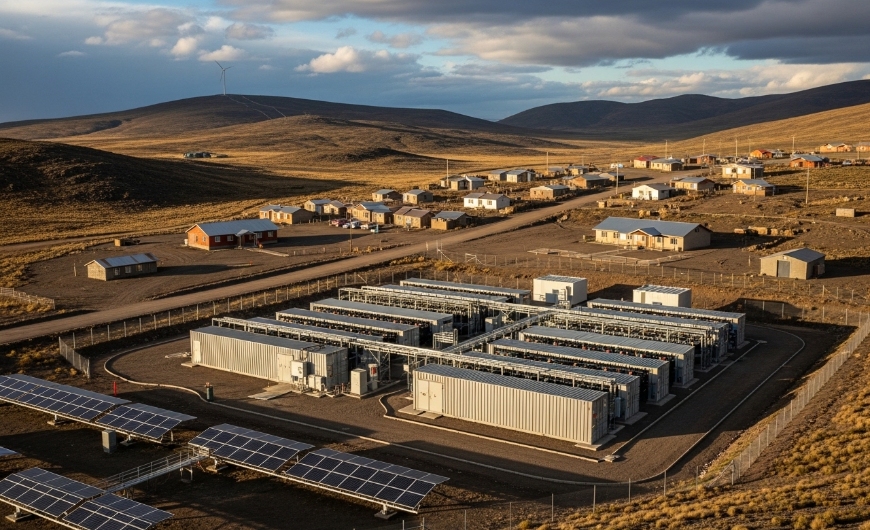
Hybrid energy systems provide reliable electricity to off-grid villages and isolated areas, enabling access to lighting, communication, and essential services.
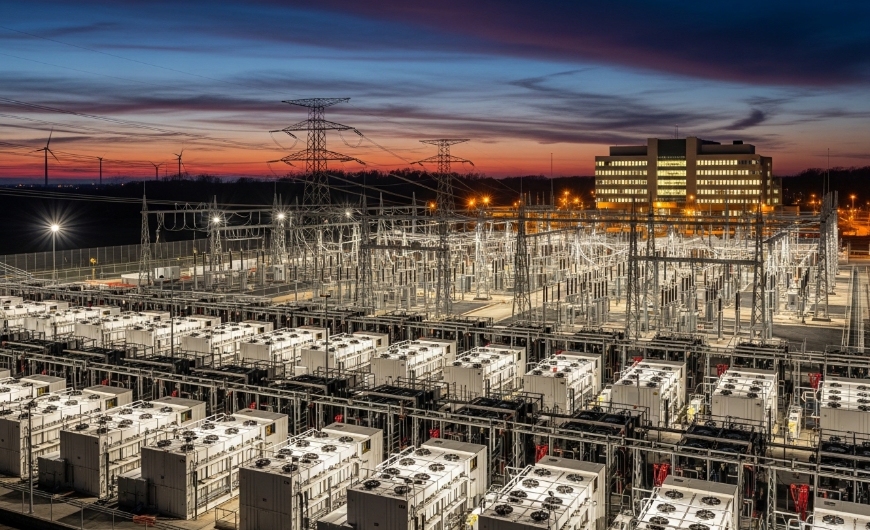
They ensure uninterrupted power for factories, offices, and industrial facilities, reducing operational downtime and supporting energy-intensive processes.
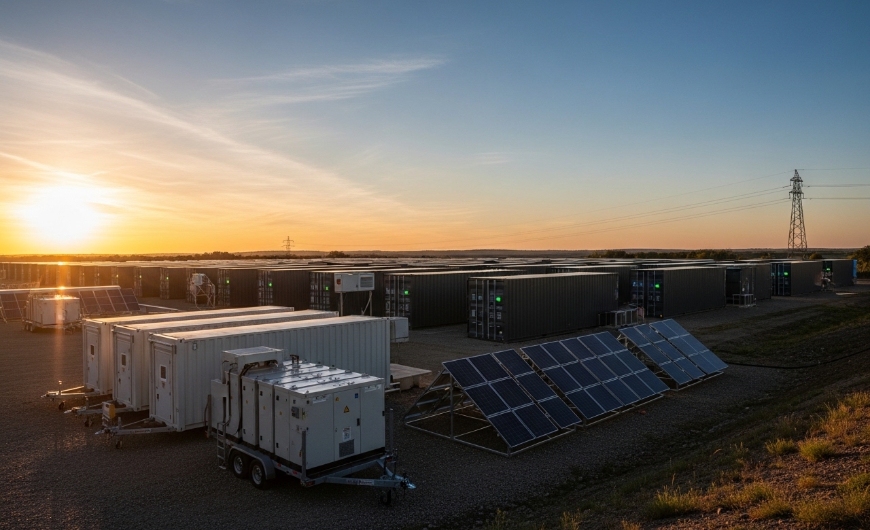
Hospitals, data centers, and telecommunication networks benefit from continuous electricity, maintaining vital operations even during grid failures.
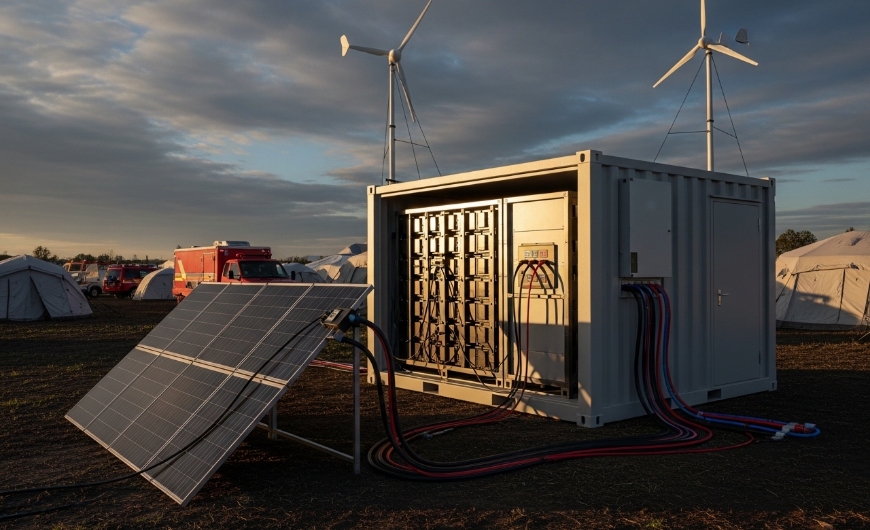
Hybrid systems offer dependable power for emergency shelters, field hospitals, and relief centers, supporting lifesaving activities in crisis situations.
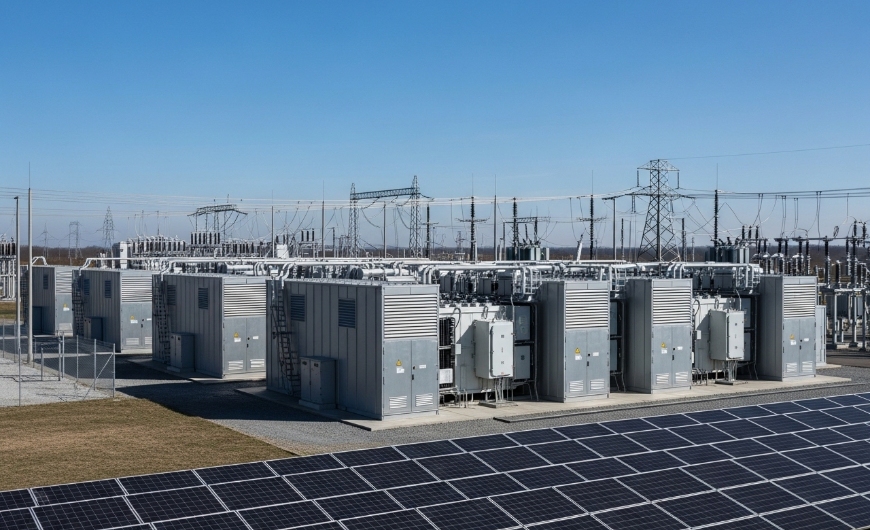
Ideal for construction sites, outdoor events, and mobile operations, these systems deliver stable energy wherever temporary power is needed.
We're committed to providing prompt, professional support to ensure your energy needs are always met with the highest level of service.
 Reply within 24 hours
 24 hours telephone support
Copyright © 2025 voltalinkbattery Co., Ltd.

Please input the email

submission successfully
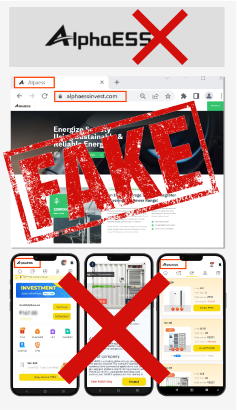
Recently, a severe infringement and fraud issue has caught our attention. A FAKE application with a FAKE logo, a FAKE website https://www.voltalinkbatteryinvest.com/ and even FAKE videos under the name of voltalinkbatteryare now spreading all over India, attempting to seduce people to invest money in energy storage systems by using a FAKEvoltalinkbattery logo and real voltalinkbattery products photos.
It's obvious that they are looting money by using a FAKEvoltalinkbattery brand and have seriously violated the intellectual property rights of voltalinkbattery.
voltalinkbattery shall spare no efforts and no costs to go against the violation by all means legally before more people get deceived.
Got it

Pete Whittle
1 Review

UK

We've installed Alpha systems for years with no failures. Easy setup and excellent technical support make Alpha our first choice.
.svg)
Bart
1 Review
NL

A very professional and friendly installer. Everything was clearly explained, and the battery works flawlessly. The smooth Jabba integration gives me clear insight and confidence in my energy savings.

Francesco
1 Review
IT

Great satisfaction with my first use of voltalinkbattery inverters. I used voltalinkbattery hybrid inverters with their storage system for the first time and was pleasantly surprised by how easy it was to set them up and activate the monitoring.

Powerhive
1 Review
AFR
voltalinkbattery systems perform reliably in tough African conditions, and their responsive, committed team has been a true long-term partner.

Philip O'Neill
1 Review
UK

The system works exceptionally well and has already delivered meaningful savings. The entire installation process was smooth and professional.
-899.svg)
Marina Van den Eynde
1 Review
NL
The battery works very well. The app is also easy to use and very clear. You can immediately see how much battery percentage is left, how many watts your solar panels are generating, and how much you are taking from the grid. I am very satisfied with it.