Industrial environments face unique challenges in energy management. Production lines, heavy machinery, and critical infrastructure require continuous, stable power. Industrial-grade energy reservoirs offer a strategic solution, providing centralized or distributed energy storage that can operate under demanding conditions. These systems are not merely “backup batteries”; they function as intelligent hubs for energy allocation, balancing, and rapid deployment.
Unlike consumer storage units, industrial reservoirs are engineered for rigorous operational loads, environmental exposure, and long-duration cycles. Their design incorporates thermal regulation, surge protection, and real-time monitoring to maintain safety and reliability. The focus is on operational continuity rather than just storing energy for emergencies.
Traditional approaches often treat industrial storage as a passive backup. Modern energy reservoirs adopt active energy management, dynamically distributing stored power to meet variable demand. For example, during peak production hours, reservoirs can prioritize heavy-duty equipment, while secondary systems such as lighting or auxiliary pumps receive lower priority.
This approach reduces energy bottlenecks, prevents equipment stress, and allows facilities to operate efficiently without increasing utility dependency. It shifts the conversation from “power redundancy” to energy orchestration, where the reservoir plays a central role in managing load distribution.
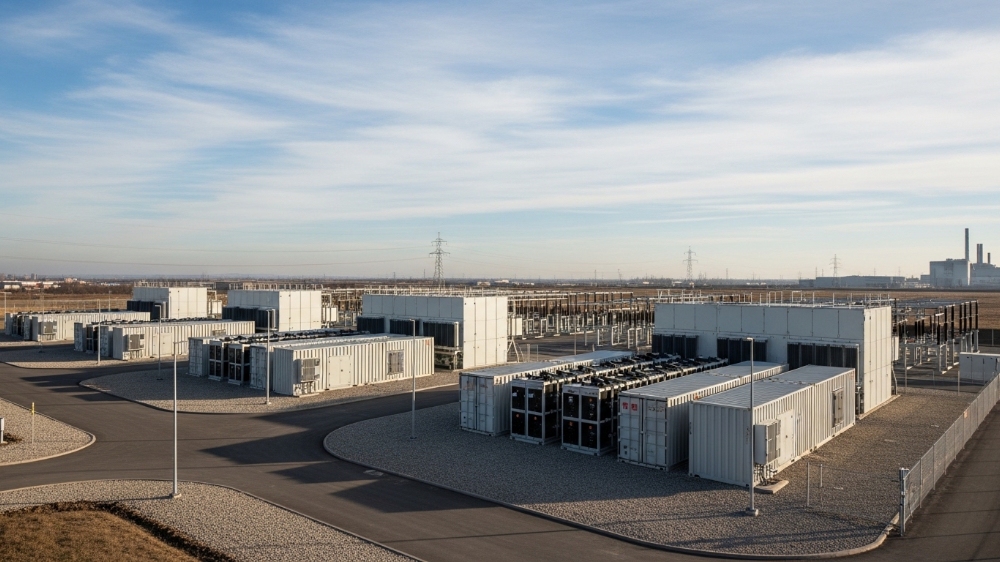
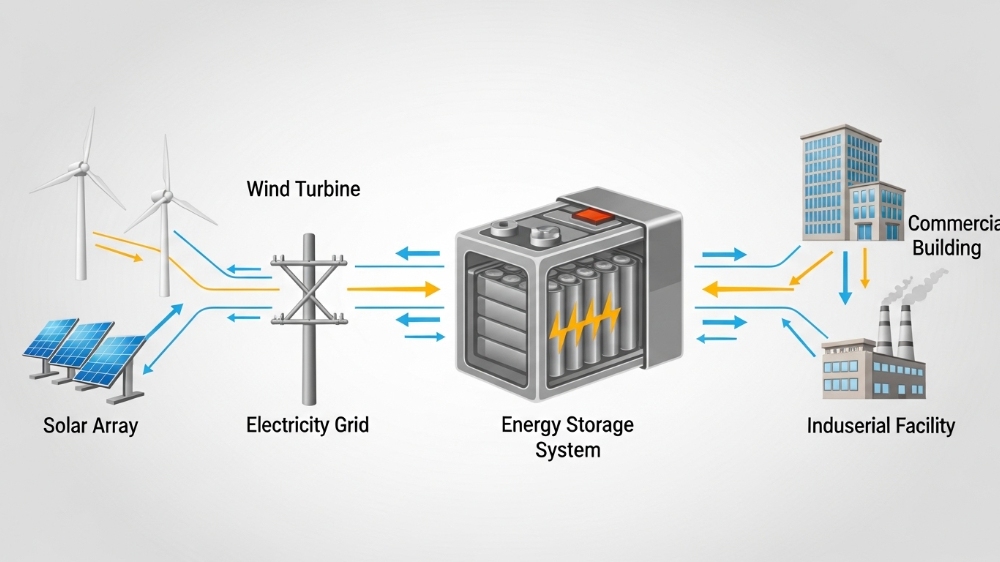
Many facilities now combine reservoirs with onsite power generation, such as modular solar panels, wind turbines, or small-scale cogeneration units. This integration transforms reservoirs into adaptive energy depots that store excess production and release it strategically when consumption exceeds generation.
For instance, a factory with intermittent solar production can rely on the reservoir to maintain machinery uptime during low-light periods. Predictive algorithms calculate energy availability in real time, coordinating storage discharge and generation to maintain stable operations.
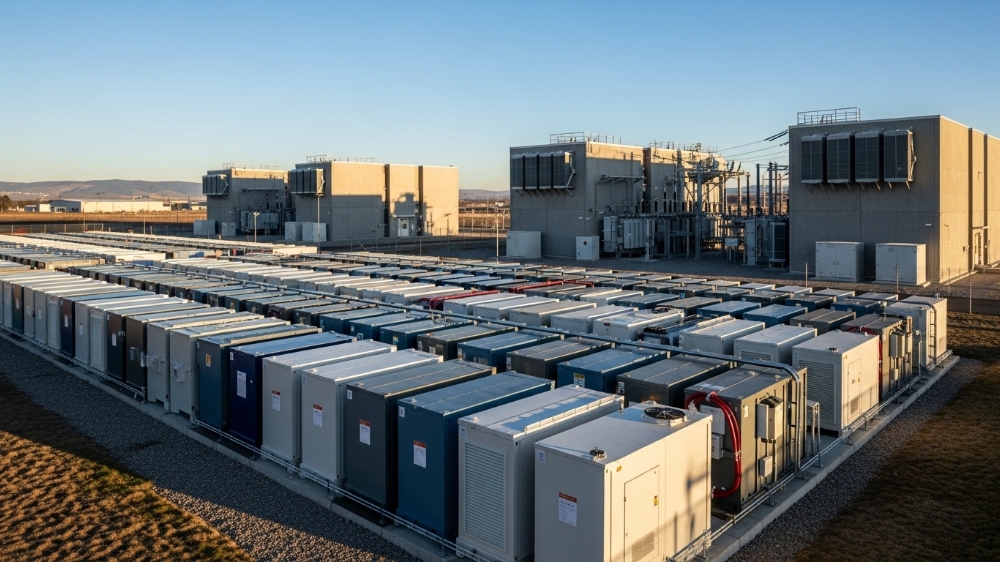
While performance is crucial, industrial-grade energy reservoirs also address environmental and risk factors. Extreme temperatures, dust, vibration, or humidity can degrade traditional storage systems. Industrial reservoirs incorporate ruggedized housings, cooling and heating controls, and vibration-dampening mounts.
Moreover, these reservoirs are part of risk management strategies. They reduce dependency on unstable grids, prevent downtime that could damage sensitive manufacturing equipment, and provide predictable energy for operations in remote or high-risk areas.
Unlike small-scale batteries, industrial reservoirs require systematic monitoring and periodic maintenance. Sensors embedded in the system track charge cycles, energy throughput, temperature, and load fluctuations. Predictive analytics anticipate component fatigue or environmental stressors, enabling proactive interventions before failures occur.
This not only extends operational life but also reduces unplanned downtime and maintenance costs. Facilities can schedule interventions without disrupting critical production processes, integrating energy management into routine operational planning.
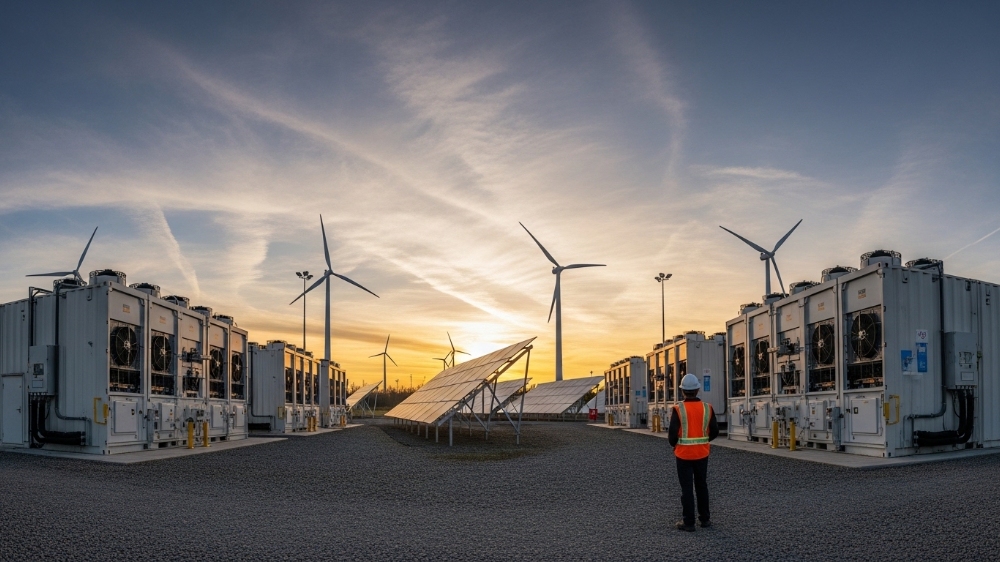
Industrial-grade reservoirs are designed for scalable deployment. Facilities can start with a few high-capacity modules and expand capacity as operational requirements grow. Modules can be arranged in centralized or distributed configurations, depending on floor layout, machinery location, and energy flow patterns.
Adaptability also extends to integration with emerging technologies. Advanced control systems can communicate with factory automation, allowing the reservoir to adjust energy delivery based on real-time equipment demand. This level of adaptability makes them suitable for modern “smart” industrial facilities.
No system is without limitations. Industrial reservoirs require upfront investment, careful placement, and technical expertise for installation. Space constraints, cooling requirements, and load compatibility need to be evaluated before deployment. Overestimating capacity can lead to underutilization, while underestimating may cause operational stress.
Balancing these considerations requires collaboration between facility managers, energy engineers, and operations teams. A thoughtful implementation ensures the reservoir functions as a central part of the energy strategy rather than a standalone unit.
Industrial-grade energy reservoirs are more than backup batteries—they are dynamic hubs for energy management, operational stability, and risk mitigation. By combining intelligent load distribution, integration with onsite generation, ruggedized construction, and predictive monitoring, these systems provide facilities with the flexibility, reliability, and control needed in modern industrial operations.
Investing in such reservoirs allows industries to manage power efficiently, maintain operational continuity, and scale energy infrastructure according to evolving operational demands.
Q1: What makes an industrial-grade energy reservoir different from a standard battery?
A: It is engineered for heavy-duty loads, environmental exposure, intelligent energy distribution, and long-term industrial use.
Q2: Can industrial reservoirs integrate with renewable generation?
A: Yes, they can store energy from onsite solar panels, wind turbines, or cogeneration units for flexible usage.
Q3: How does predictive monitoring work?
A: Sensors and analytics track performance and environmental conditions, predicting issues before failures occur.
Q4: Are these reservoirs scalable for growing facilities?
A: Yes, modular design allows expansion in capacity and distributed deployment across factory floors.
Q5: What are the main challenges of deployment?
A: Space, cooling, load matching, and initial investment are key factors that need careful planning.
As digital communication demand continues to grow,telecom operators face the challenge of maintaining robust network performance while expanding coverage.High-capacity telecom towers are engineered to meet these requirements, providing the structural and energy support necessary for high-density communication equipment. Unlike conventional towers, high-capacity solutions are designed to handle heavier loads, support multiple antennas, and integrate advanced energy management systems, ensuring uninterrupted service and enhanced operational efficiency.
These towers are particularly important in urban areas with dense network traffic or in regions where multiple carriers share infrastructure. By combining high structural capacity with intelligent energy systems, operators can maximize network uptime, improve signal reliability, and optimize maintenance efforts, all while preparing for future expansions.
High-capacity towers are not just taller or stronger; they are strategically designed structures that can accommodate additional network equipment and advanced energy systems. Modern towers integrate hybrid energy solutions, combining battery storage, renewable sources such as solar or wind, and grid connectivity, managed by intelligent controllers.
This approach allows towers to operate efficiently under variable conditions and ensures continuity even during grid interruptions. Components such as modular battery arrays, smart energy converters, and remote monitoring units work together to deliver seamless performance and rapid response to changing energy demands.
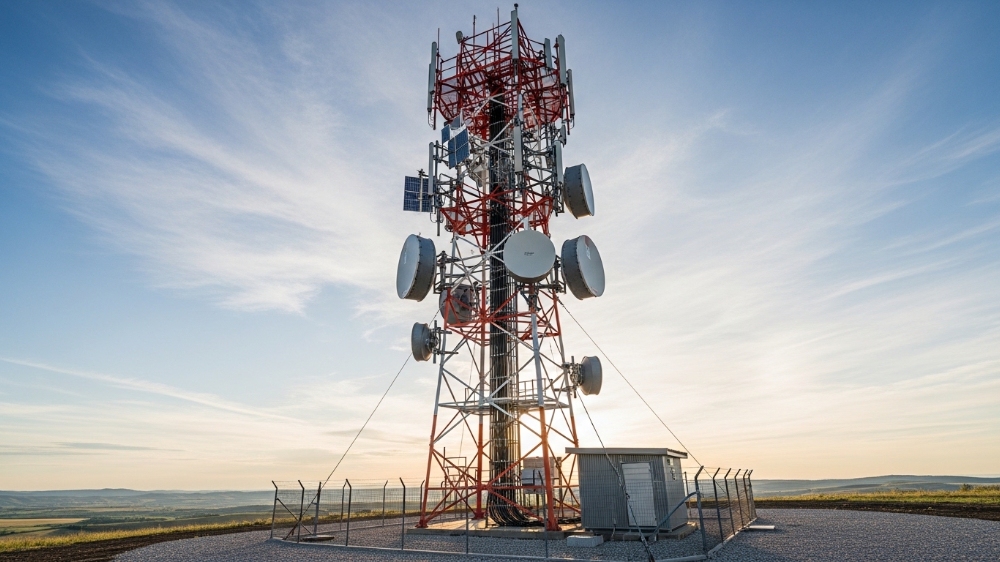
Scalability is critical for modern telecom networks. High-capacity towers allow operators to add antennas, repeaters, and energy systems without major structural changes. This flexibility is essential in areas with rapid user growth or evolving technology standards such as 5G or beyond.
Reliable tower infrastructure ensures that network capacity meets demand at all times. Interruptions or inadequate tower capacity can result in dropped connections, slower internet speeds, and compromised communication services. High-capacity towers prevent these issues, supporting continuous operation and long-term network reliability.
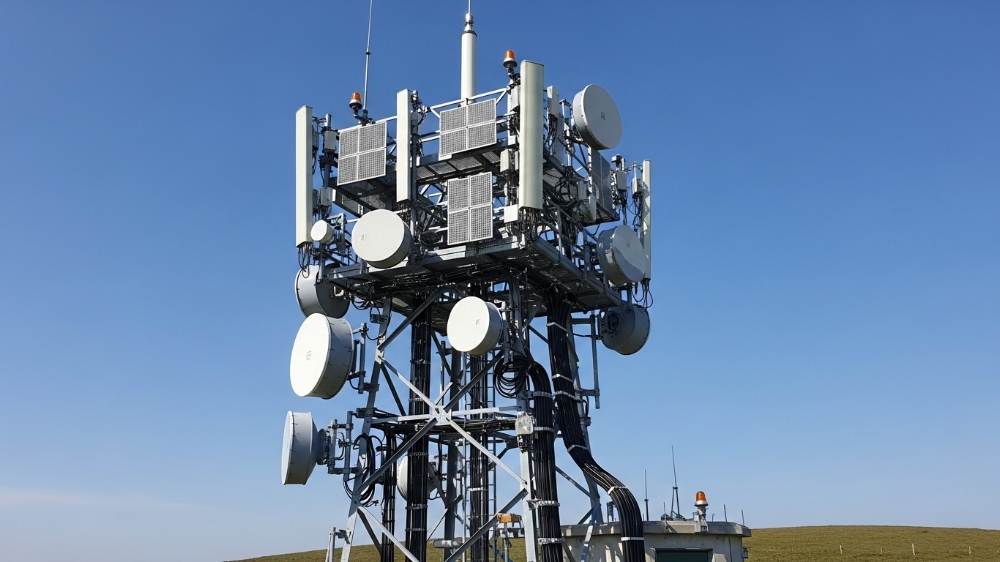
Hybrid energy integration is a hallmark of modern high-capacity towers. These towers combine battery storage, renewable energy inputs, and grid connection to provide consistent and sustainable power. Intelligent energy management monitors real-time consumption, optimizes power distribution, and reduces operational inefficiencies.
Durability is another essential feature. Towers are designed to withstand extreme weather, temperature fluctuations, and environmental stressors. Modular design allows easy maintenance and the addition of new equipment without disrupting existing services. Remote monitoring capabilities provide real-time insights, enabling operators to anticipate maintenance needs and optimize energy use.
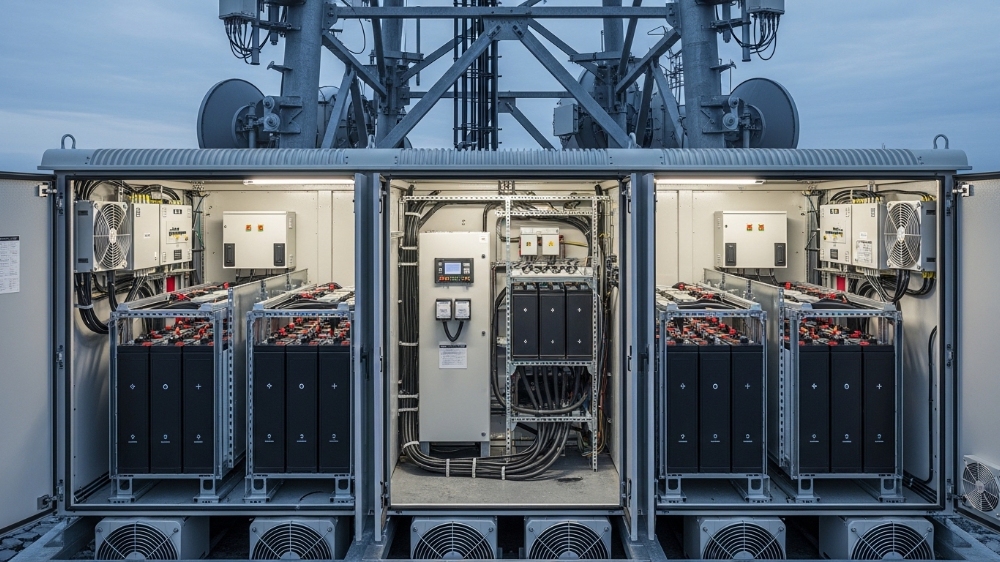
High-capacity towers support urban and suburban cellular networks, providing robust connectivity for densely populated areas. They are essential for data transmission nodes, facilitating high-speed internet and low-latency communication. Remote or off-grid installations benefit from integrated energy storage and renewable systems, ensuring service continuity where grid access is limited or unreliable. Emergency communication networks rely on these towers to maintain operational readiness during natural disasters or critical events, supporting rescue operations and public safety efforts.
Temporary deployment scenarios, such as festivals, construction sites, or emergency response operations, can also benefit from portable high-capacity towers. These systems provide immediate energy and connectivity solutions without long-term infrastructure investments.
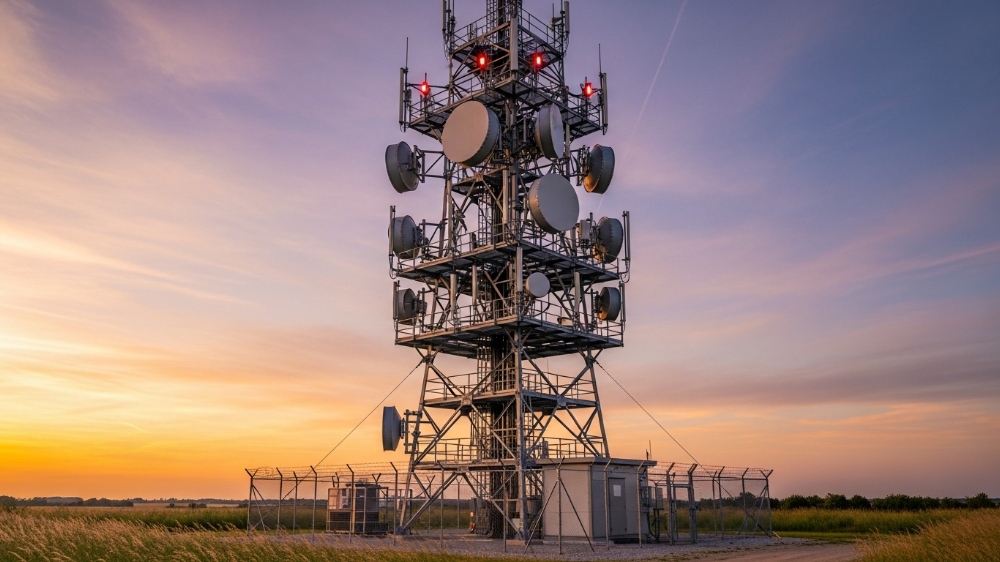
High-capacity towers offer several advantages compared to conventional designs. They reduce the need for multiple smaller towers, optimizing land use and lowering construction costs. Integrated hybrid energy systems minimize fuel dependency, operational expenses, and carbon emissions. Modular and scalable design allows operators to adapt to future network expansions with minimal disruption. Intelligent monitoring systems improve efficiency, predict maintenance requirements, and enhance overall reliability, ensuring uninterrupted service to end-users.
Artificial intelligence and machine learning are increasingly applied to optimize tower energy consumption and load management. Decentralized energy solutions allow towers to operate independently from the main grid while maintaining full functionality. Renewable energy integration is expanding, supporting sustainable operations and reducing reliance on diesel generators. Remote monitoring and cloud-based management tools streamline maintenance, improve efficiency, and enable predictive energy and performance analytics for network operators.
High-capacity telecom towers are essential for maintaining reliable, scalable, and efficient communication networks. By combining structural strength, hybrid energy integration, and intelligent management, these towers ensure uninterrupted network operation while supporting future growth and sustainability goals. Investing in high-capacity solutions enables telecom operators to optimize energy usage, reduce operational costs, and provide resilient connectivity for users in both urban and remote locations.
Q1: What defines a high-capacity telecom tower?
A: It is a tower designed to support heavier equipment loads, multiple antennas, and advanced energy systems for uninterrupted service.
Q2: How do hybrid energy systems benefit towers?
A: They combine batteries, renewable sources, and grid supply to ensure reliable and efficient power management.
Q3: Are high-capacity towers suitable for remote areas?
A: Yes, integrated energy storage and renewable sources allow remote operation without relying on the main grid.
Q4: Can these towers be scaled for future expansions?
A: Yes, modular design and flexible infrastructure support additional antennas and equipment as network demand grows.
Q5: What are the main benefits of using high-capacity towers?
A: Benefits include uninterrupted service, operational efficiency, energy optimization, scalability, and environmental sustainability.
In an increasingly connected world, communication networks are expected to operate without interruption. From mobile communications to emergency response systems, telecom infrastructure plays a critical role in modern society. However, power instability, grid failures, and remote site challenges can threaten network availability. This is where telecom power backup solutions become essential.
These advanced systems are designed not just as emergency support, but as intelligent energy frameworks that ensure continuous operation, optimize efficiency, and adapt to diverse environments. This article explores how modern telecom backup systems function, their advantages, and how they differ from conventional energy solutions.
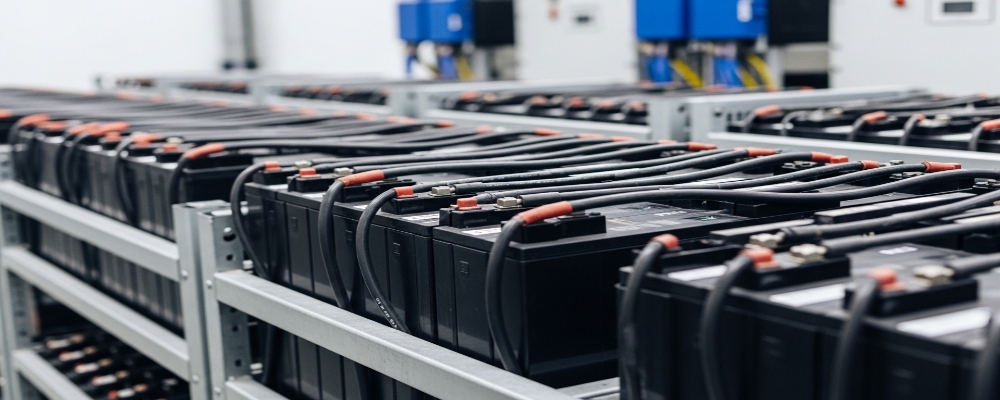
Telecom power backup systems are engineered to provide uninterrupted energy supply to communication infrastructure such as cell towers, base transceiver stations, and data relay units. Unlike traditional backup generators, modern solutions integrate multiple energy sources and intelligent control systems.
A typical system may include:
These components work together to ensure that even during prolonged outages or unstable grid conditions, telecom services remain operational.
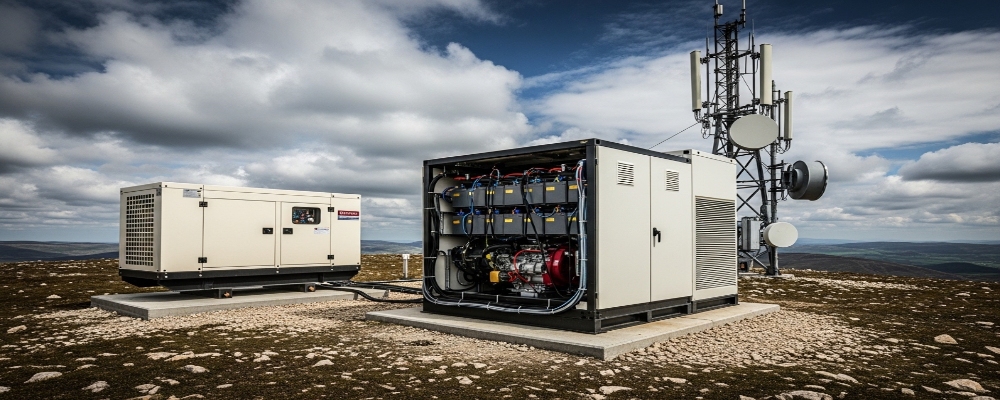
Even brief interruptions in power can lead to communication breakdowns, dropped calls, and data transmission failures. For telecom operators, downtime not only impacts user experience but also results in significant financial losses.
Many telecom towers are located in remote or hard-to-access areas where grid connectivity is limited or unavailable. Backup power systems provide a dependable energy source, enabling continuous service regardless of location.
During natural disasters or grid failures, communication networks become lifelines. A robust backup system ensures that emergency services, coordination efforts, and public communication remain active.
Unlike traditional systems that rely solely on diesel generators, modern solutions combine batteries with renewable energy sources. This hybrid approach reduces fuel consumption, lowers operational costs, and supports sustainability goals.
Advanced monitoring systems use real-time data to optimize energy usage, switch between power sources, and predict maintenance needs. This improves efficiency and minimizes system failures.
Telecom backup systems can be tailored to different power requirements, from small rural towers to large urban communication hubs. Modular designs allow easy expansion as network demands grow.
Designed for harsh environments, these systems can operate in extreme temperatures, high humidity, and dusty conditions, ensuring long-term reliability.
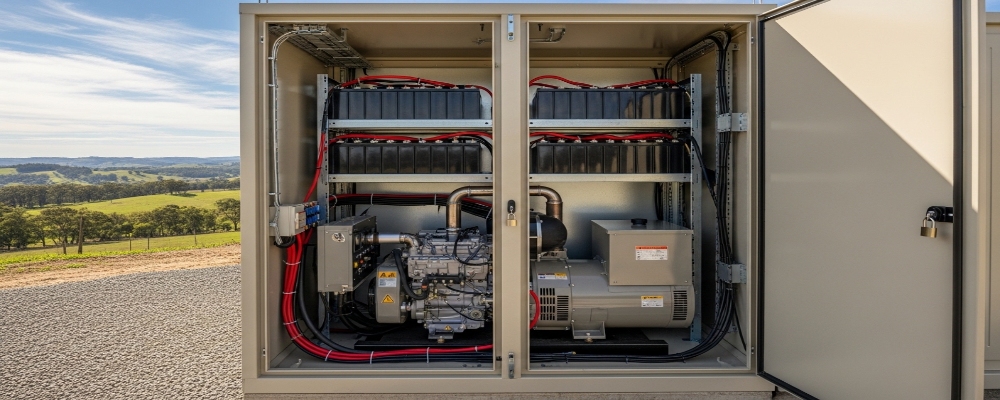
Backup systems ensure uninterrupted mobile connectivity, especially in regions with unstable electricity supply.
Reliable power supports consistent data flow between network points, preventing latency or disruption.
Backup solutions provide critical support during crises, maintaining communication channels for rescue and coordination.
For events or temporary setups, portable backup systems deliver quick and efficient power deployment.
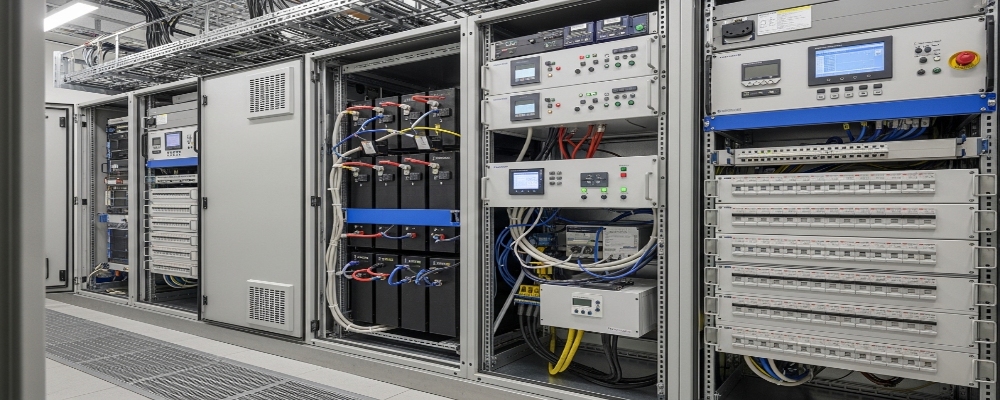
Modern telecom power solutions differ significantly from traditional approaches:
Artificial intelligence is increasingly used to predict energy demand, optimize battery usage, and improve system performance.
Telecom operators are shifting toward solar and other renewable sources to meet sustainability targets and reduce dependence on fossil fuels.
As edge computing expands, telecom sites require more reliable and efficient power systems to support increased data processing.
Cloud-based platforms allow operators to monitor and control power systems remotely, reducing the need for on-site maintenance.
Telecom power backup solutions are no longer optional—they are essential for ensuring continuous connectivity in a digitally driven world. By combining advanced battery systems, renewable energy integration, and intelligent management, these solutions provide a reliable, efficient, and scalable approach to powering communication networks.
For telecom operators and infrastructure providers, investing in modern backup energy systems means improved service reliability, reduced operational costs, and enhanced resilience against power disruptions. As technology continues to evolve, these systems will play an even greater role in shaping the future of global communication.
Q1: What is a telecom power backup system?
A: It is an energy solution designed to provide uninterrupted power to communication infrastructure during outages or unstable grid conditions.
Q2: How does a hybrid telecom power system work?
A: It combines batteries, renewable energy, and grid or generator inputs, managed by intelligent systems for optimal performance.
Q3: Why are backup systems important for remote telecom sites?
A: Remote sites often lack stable grid access, so backup systems ensure continuous operation and connectivity.
Q4: Can telecom backup systems reduce operational costs?
A: Yes, especially hybrid systems that reduce fuel usage and maintenance compared to traditional generators.
Q5: Are modern telecom power systems environmentally friendly?
A: Many systems integrate renewable energy, reducing emissions and supporting sustainable operations.
In today’s fast-paced world, energy demand continues to rise, and the need for stable, reliable, and efficient power has never been greater. Especially with the rapid growth of renewable energy, smart grids, and electric mobility, power storage technology has become a central element in energy management. This article explores the types, applications, trends, and challenges of power storage technology, providing a comprehensive understanding of this cutting-edge field.
Power storage technology refers to systems or devices that store electrical energy for later use. Unlike traditional energy consumption, which relies on immediate use, power storage emphasizes efficient energy utilization, repeated cycling, and reliability. Its primary goals include balancing energy supply and demand, enhancing grid stability, and providing backup power in emergencies.
Currently, mainstream power storage technologies include:
Each technology has its unique advantages and ideal use cases, making the selection of a storage solution dependent on demand, cost, and environmental factors.
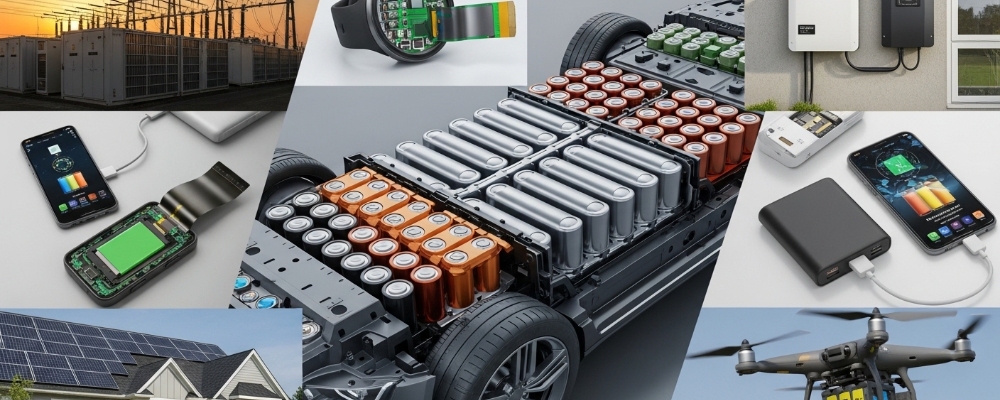
Wind and solar energy are inherently variable and weather-dependent. Power storage systems store excess energy during peak production and release it when generation drops, ensuring a stable power supply. For example, a solar PV system paired with lithium-ion batteries can provide electricity to homes or businesses at night or on cloudy days.
Smart grids aim for efficient electricity distribution and dynamic load balancing. Energy storage systems can regulate peak and off-peak demand, provide load leveling, and serve as emergency backup power. Microgrids rely on storage to achieve partial energy self-sufficiency, increasing reliability and reducing dependence on the main grid. This is especially beneficial for remote areas or renewable energy campuses.
Electric vehicles (EVs), electric bikes, scooters, and buses rely heavily on advanced batteries. Modern power storage technology enhances vehicle range, optimizes charging efficiency, and manages battery lifespan, making sustainable mobility achievable.
In areas with frequent power outages, storage systems provide a reliable energy backup. For instance, residential solar-plus-storage systems ensure continuous power at night or during outages, reduce electricity bills, and provide both economic and safety benefits.
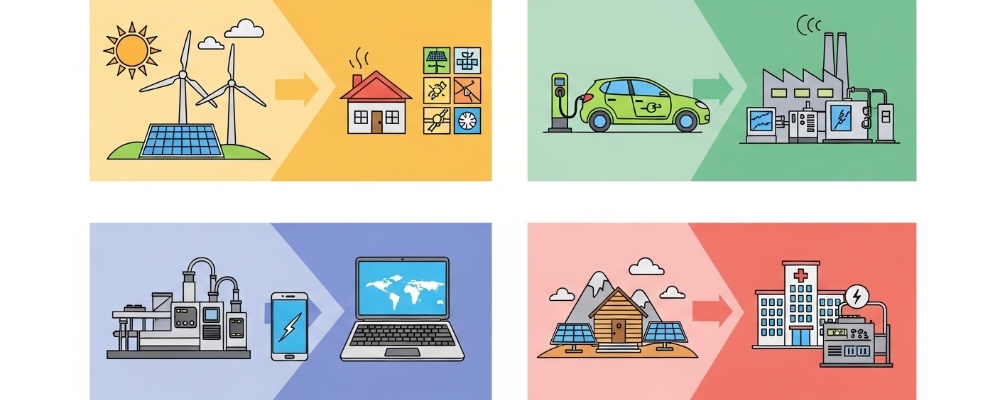
With technological advancements and growing market demand, power storage technology is evolving in several directions:
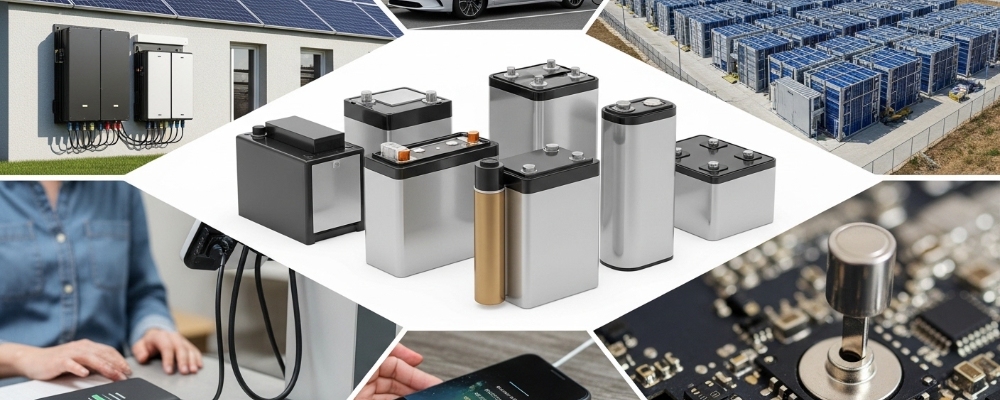
Despite its promising outlook, power storage technology faces several challenges:
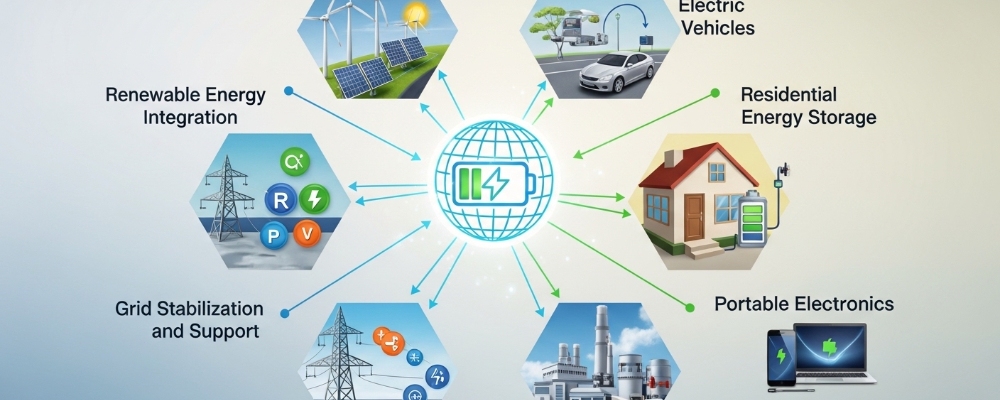
Power storage technology is a cornerstone of the future energy ecosystem. With technological innovation and supportive policies, storage systems will play a critical role in renewable energy integration, smart grid development, electric transportation, and residential and commercial energy reliability. For businesses, research institutions, and individual users, understanding and leveraging power storage technology offers long-term value and sustainability.
Q1: What are the main types of power storage systems?
A: Main types include electrochemical storage (batteries), mechanical storage (pumped hydro, flywheels), electromagnetic storage (supercapacitors), and thermal storage.
Q2: What are the benefits of residential energy storage?
A: Provides backup power, lowers electricity bills, stabilizes solar systems, and improves energy efficiency.
Q3: How do EV batteries differ from energy storage batteries?
A: EV batteries prioritize high power density and lifespan, while storage batteries focus on capacity, cycle life, and cost-effectiveness.
Q4: What is the future direction of power storage technology?
A: Higher energy density batteries, smart management systems, cost reduction, large-scale deployment, and hybrid technologies.
Q5: Are power storage systems safe?
A: Modern storage systems have monitoring and protection mechanisms but must still manage risks like overheating and short circuits.
Copyright © 2025 voltalinkbattery Co., Ltd.

Please input the email

submission successfully
Recently, a severe infringement and fraud issue has caught our attention. A FAKE application with a FAKE logo, a FAKE website https://www.voltalinkbatteryinvest.com/ and even FAKE videos under the name of voltalinkbatteryare now spreading all over India, attempting to seduce people to invest money in energy storage systems by using a FAKEvoltalinkbattery logo and real voltalinkbattery products photos.
It's obvious that they are looting money by using a FAKEvoltalinkbattery brand and have seriously violated the intellectual property rights of voltalinkbattery.
voltalinkbattery shall spare no efforts and no costs to go against the violation by all means legally before more people get deceived.
Got it